Selecting the right freight carriers for a given shipment requires an understanding of how different modes perform across variables like distance, cargo type, urgency, and cost. Freight transport is not a one-size-fits-all service, and shippers who treat it as such often pay more or receive slower service than necessary. A structured approach to mode selection improves both cost efficiency and delivery reliability.
Semi Trucks, Dry Vans, and Ground Freight Options
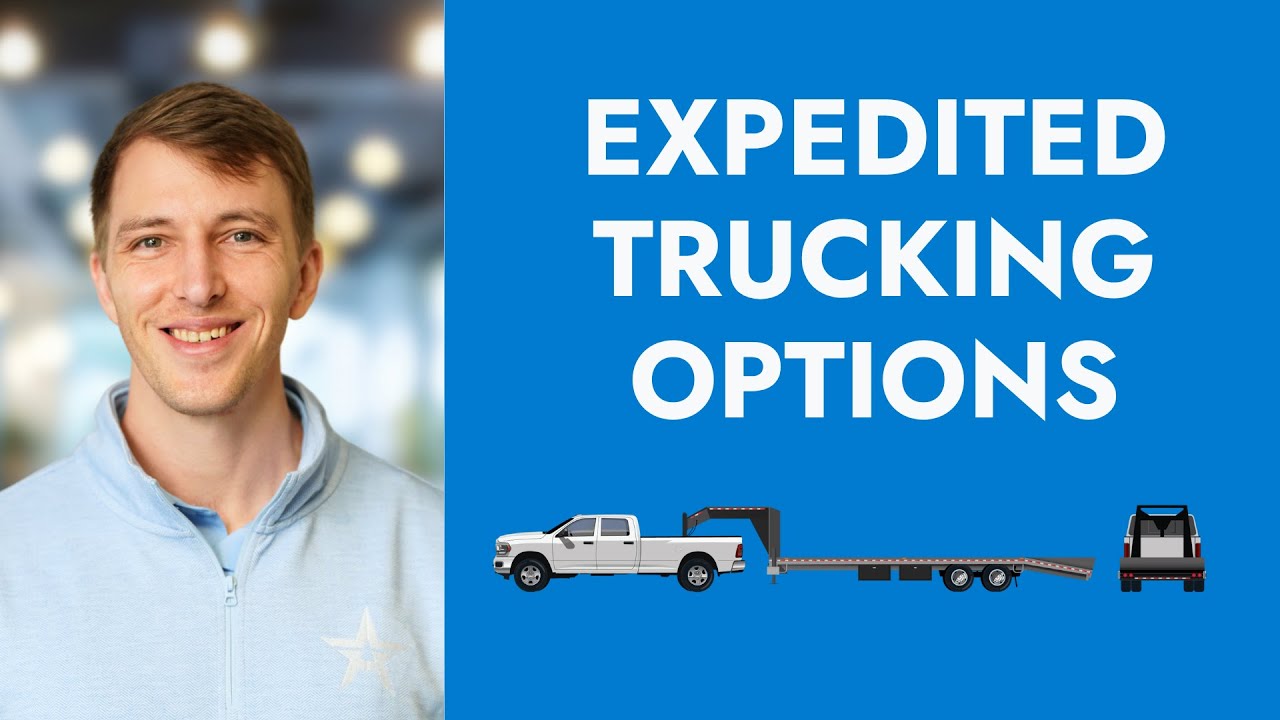
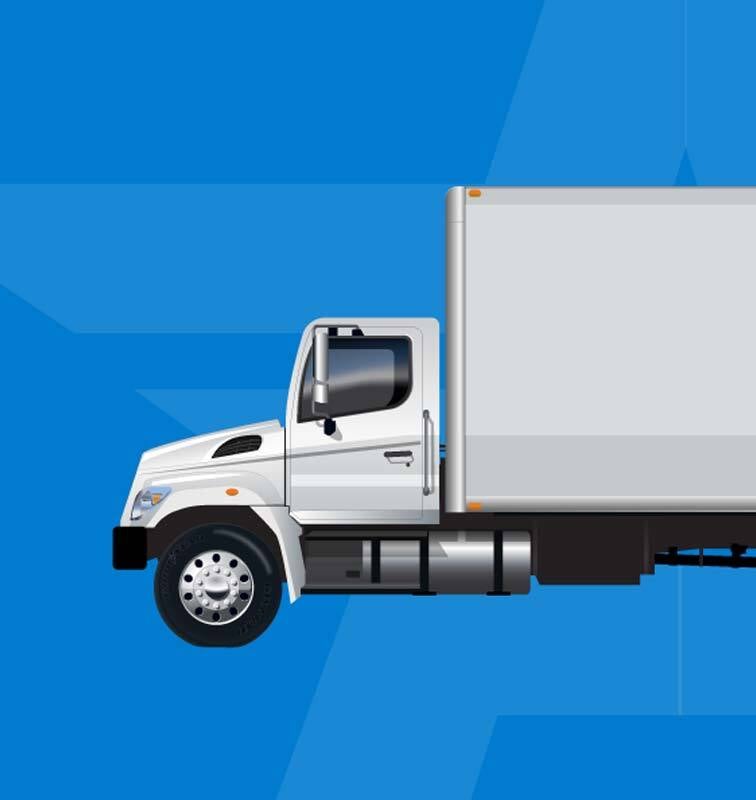
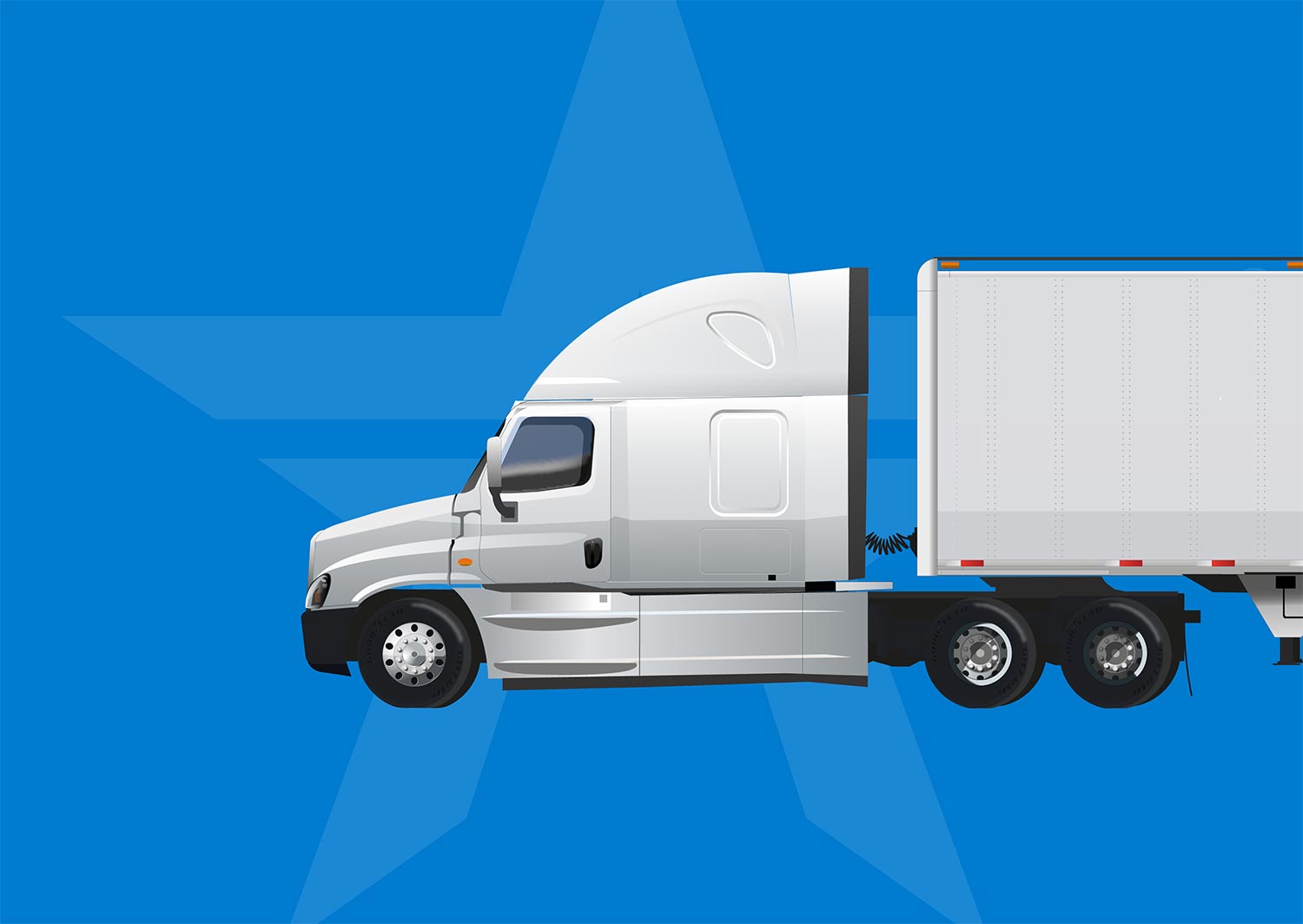
Ground freight transport relies on a range of equipment types to serve different load profiles. Semi trucks with dry vans are the backbone of standard truckload freight, handling palletized goods across long-haul lanes efficiently. Flat beds serve open cargo that cannot be enclosed, while straight truck and sprinter van options cover smaller loads that need faster, more direct handling. Each equipment type has defined capacity limits that shippers must account for when planning a move.
Air Cargo and Multimodal Freight Transport Planning
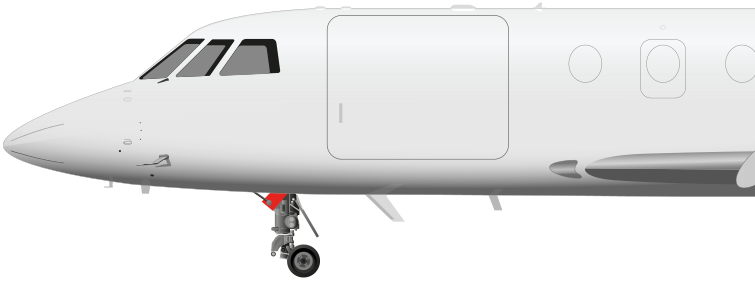
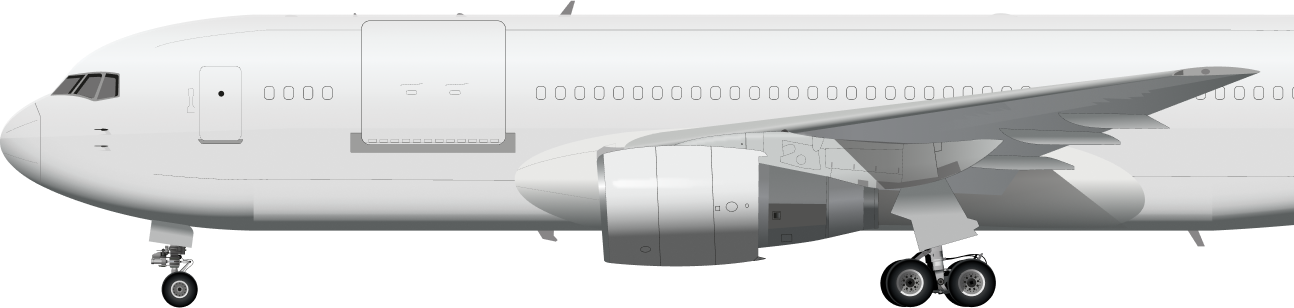
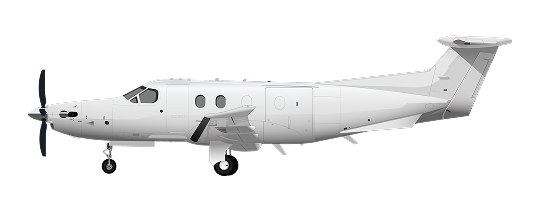
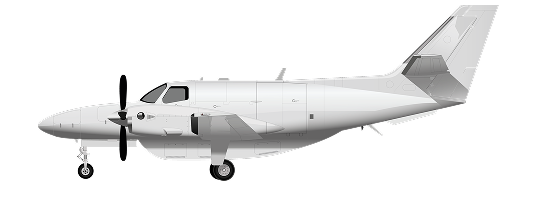
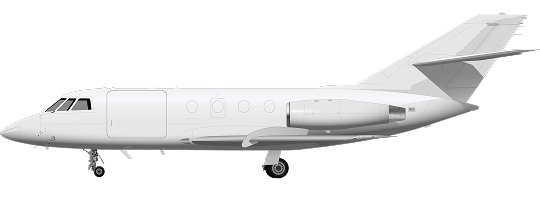
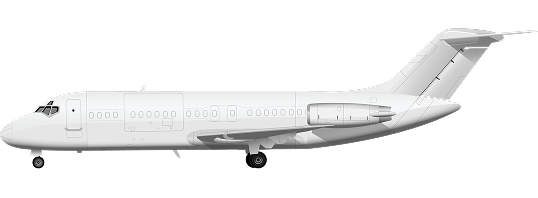
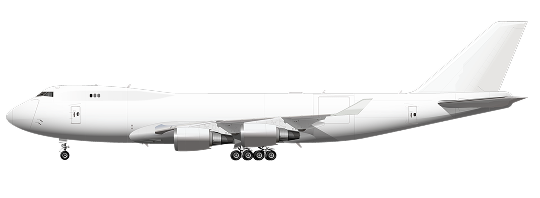
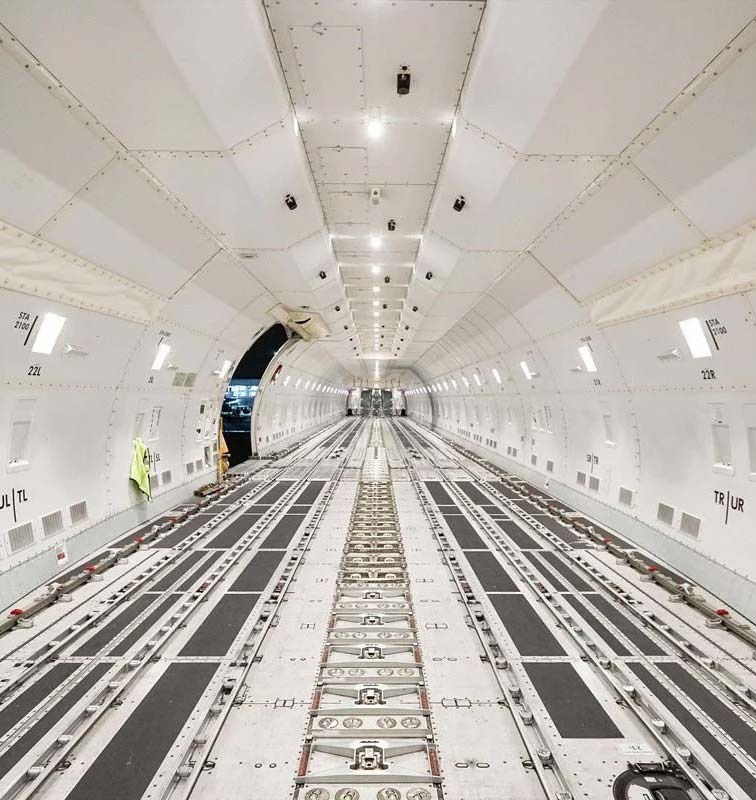
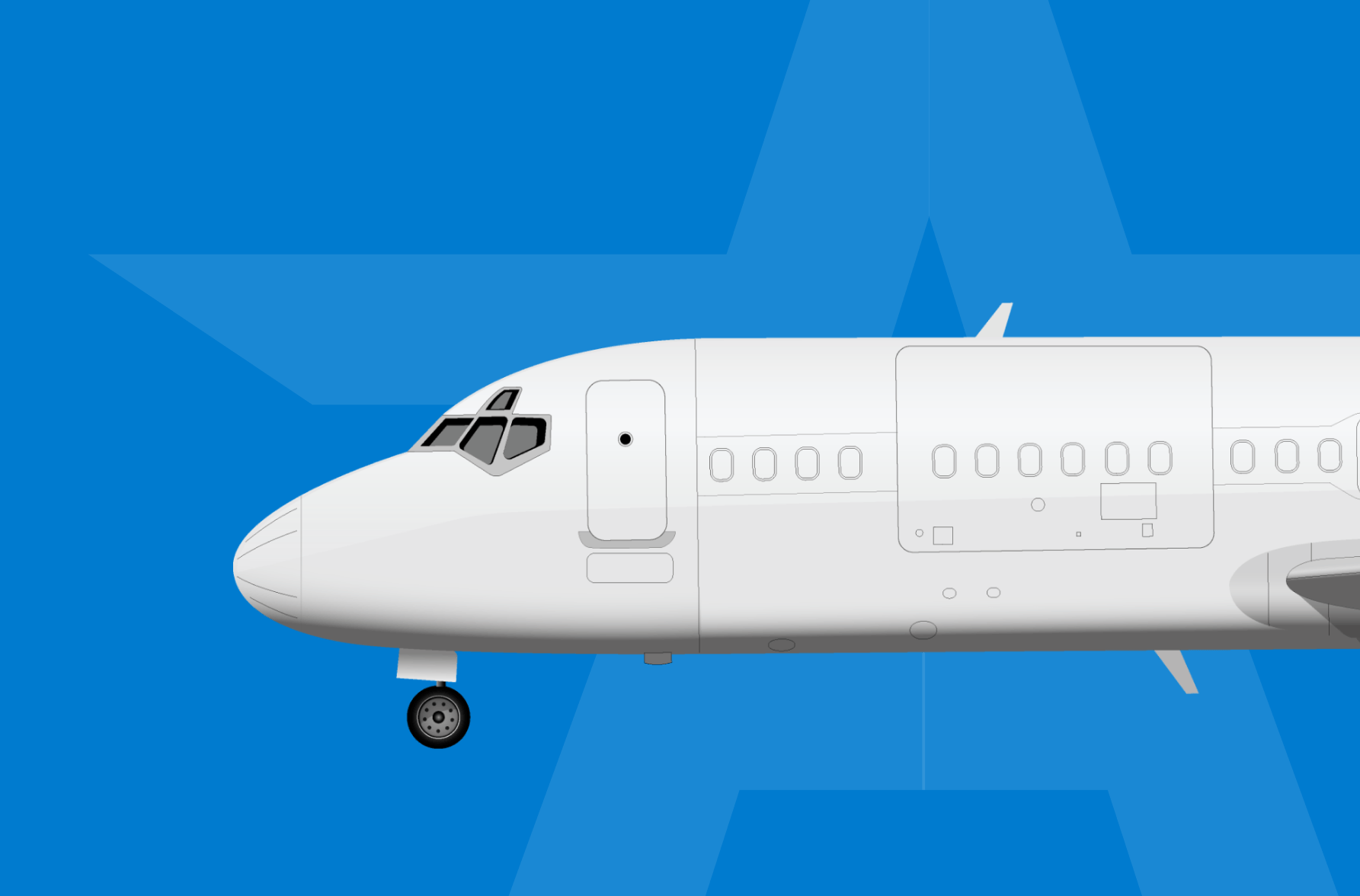
Air cargo enters the freight transport equation when ground transit times are insufficient. Integrating air cargo into a multimodal plan requires coordination between ground pickup, airport handling, and final delivery at the destination. Freight transport providers with a global network can manage these handoffs seamlessly, ensuring that cargo aircraft capacity is confirmed before the shipment is tendered and that ground transport is staged at the receiving end.
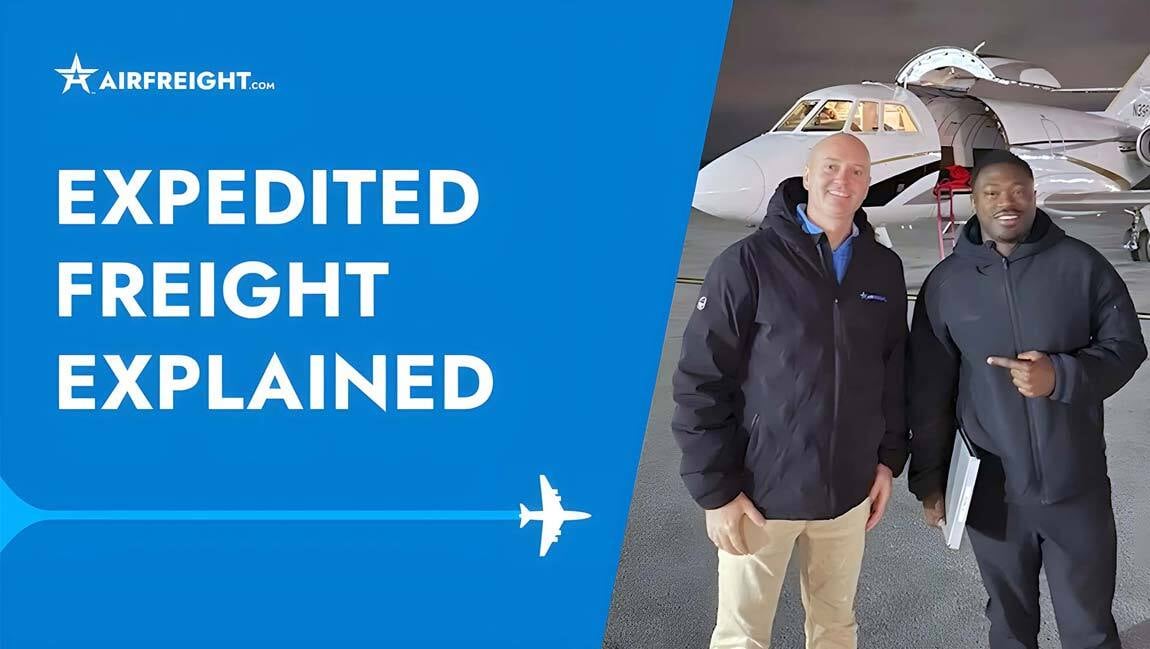
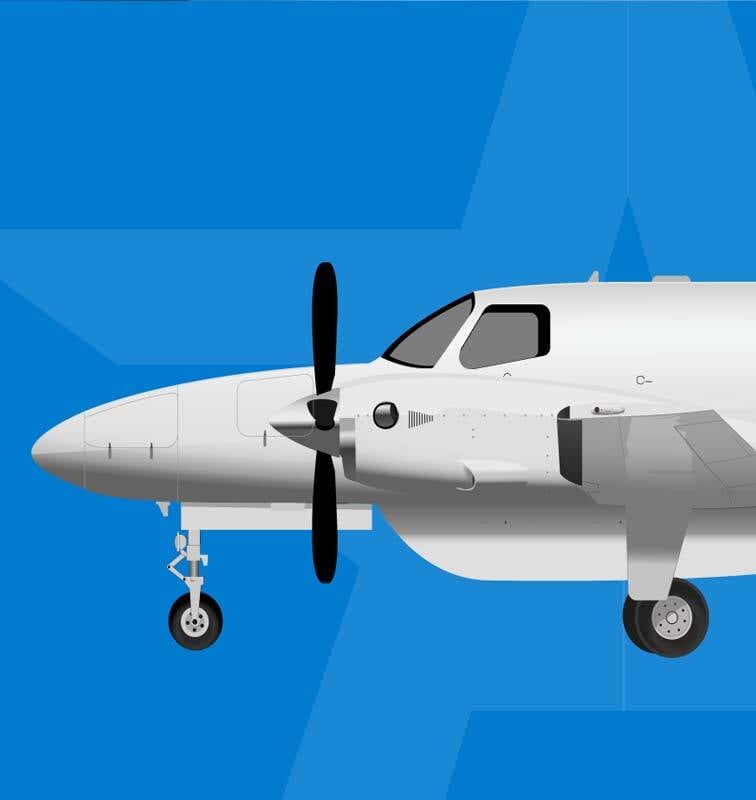
Expedited freight solutions, hot shot trucking, and air charter service each occupy a distinct position in the freight transport spectrum. Understanding where each mode excels, and where its limitations begin, allows shippers to build more resilient logistics plans. Relying on a single mode for all urgent freight creates vulnerability when that mode faces capacity constraints or operational disruptions.
Freight carriers that specialize in expedited and time-critical moves typically offer a broader range of services than standard carriers. These providers can shift between ground and air options based on real-time conditions, offering shippers a more adaptive solution. Evaluating freight carriers on the basis of flexibility, coverage, and communication quality, rather than price alone, leads to better long-term outcomes for freight transport operations.