
Expedited ground freight uses dedicated vehicles like vans or trucks to deliver cargo directly from point A to B without stops or transfers. For shipments under 500–1,000 miles, ground can be just as fast—and far more cost-effective—than air. It’s especially useful for overnight regional deliveries or large/heavy cargo that doesn’t require air transport.

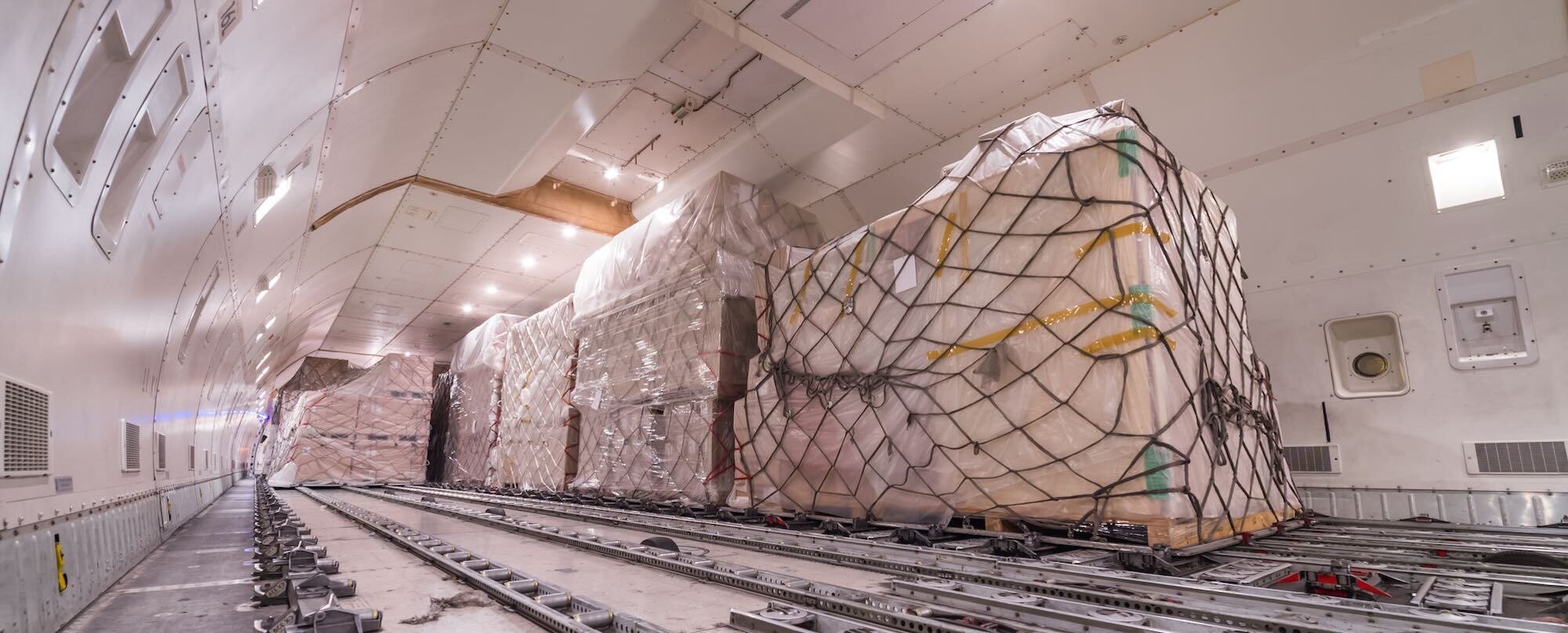

Expedited freight allows industrial shippers to adapt quickly to unexpected disruptions, equipment failures, or schedule changes. This flexibility is especially important in sectors where production delays can cascade through supply chains.
By prioritizing speed and reliability, industrial expedited freight helps reduce the financial and operational risks associated with missed deadlines.

Avoiding Plant Downtime and MRO Emergencies
One of the most urgent triggers for expedited shipping is unplanned equipment failure that threatens to halt operations. In manufacturing, this often takes the form of a plant downtime emergency – i.e., an assembly line stops because a single essential component broke or didn’t arrive.
The costs of such downtime are staggering. In the automotive industry, studies have found that a stopped production line can cost around $22k per minute, and in some cases up to $50k per minute. With losses accumulating by the second, manufacturers will do whatever it takes to get the line running again. By getting critical components delivered quickly, manufacturers can avoid costly production delays and keep assembly lines moving.

Project Shipments and Tight-Deadline Cargo
Industrial projects – such as construction jobs, infrastructure installations, or new product launches – often involve complex logistics under strict timelines. In the construction industry delays in receiving materials or equipment can idle crews and drive up costs. Project managers use expedited shipping for last-minute deliveries of tools, machinery, or building components needed to prevent work stoppages.
“Project cargo” often implies large or out-of-gauge items, and while those typically require careful planning (permits, special carriers, etc.), there are times when even heavy project freight must be expedited. The expedited transit ensures the installation can proceed without delay. In manufacturing product launches, companies have used same-day air charters to ship in entire pieces of equipment for new production lines that had to start up on schedule.
Supporting Just-in-Time (JIT) Manufacturing
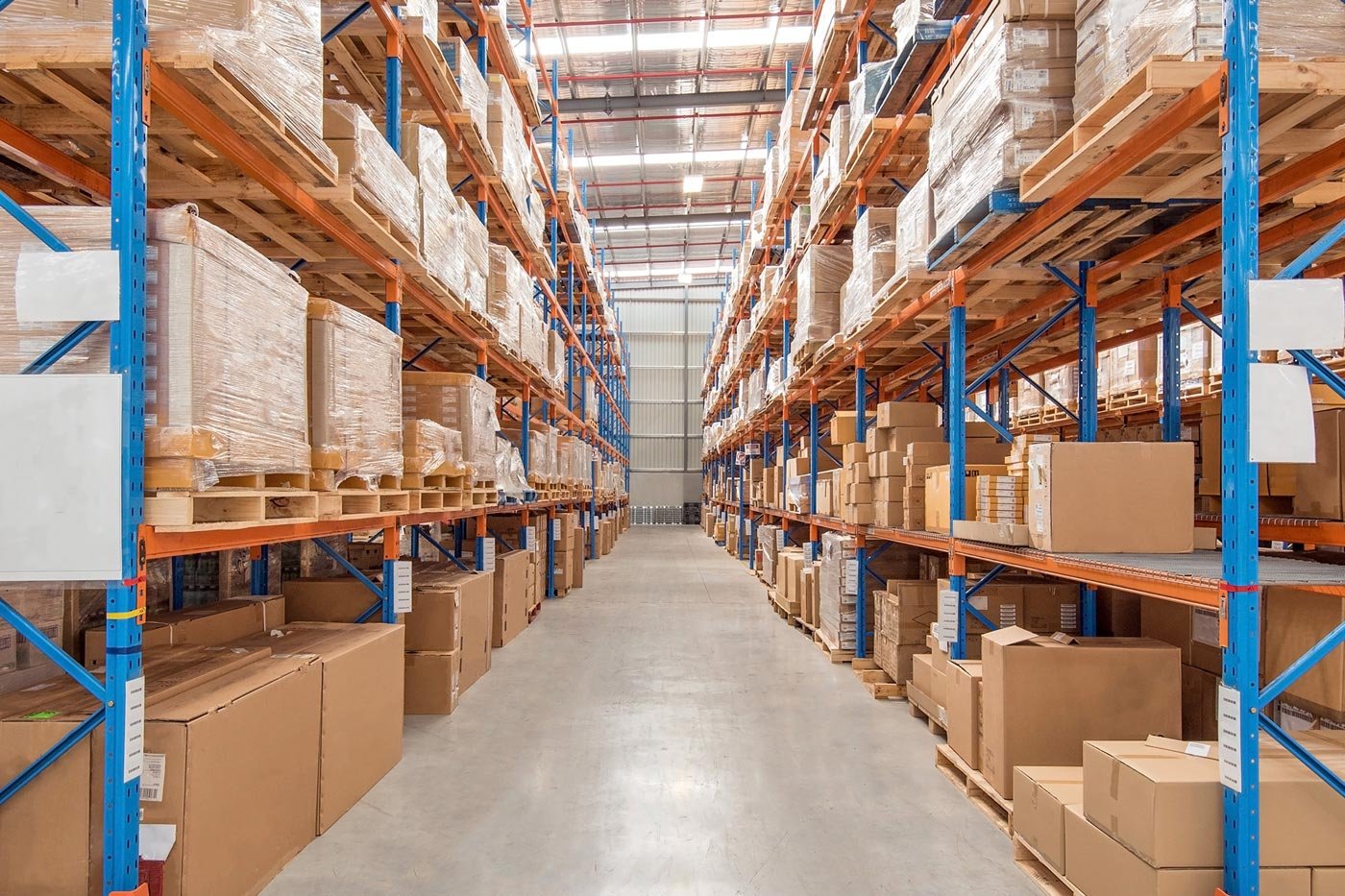
JIT logistics rely on ground expedite to maintain a "rolling warehouse." Because these factories keep minimal stock, they often use team drivers—two-person crews who rotate driving and sleeping so the truck never stops moving except for fuel. This keeps the supply of raw materials synchronized with the assembly line's hourly needs, even when unforeseen weather or traffic delays standard shipments.
When the JIT gap is too large for ground transport, air freight acts as the safety valve. Logistics managers will pull a "buffer" of inventory from a global warehouse and ship it via premium air cargo to ensure the line doesn't run dry. This hybrid approach—using standard shipping for the bulk and expedited air for the "top-off"—allows manufacturers to keep inventory costs low without risking a total shutdown.
Emergency Repairs for Energy & Infrastructure
Energy infrastructure, such as offshore oil rigs or remote wind farms, requires air charter for its ability to handle "out-of-gauge" (oversized) cargo. Heavy-lift aircraft can be chartered to carry massive turbines or drill string components directly to remote airstrips that commercial airlines don't service. This "point-to-point" delivery eliminates the risk of heavy equipment being damaged or delayed during multiple transfers at cargo hubs.
Once the specialized equipment lands, ground expedite takes over for the final leg, often utilizing specialized vehicles like flatbeds or crane-equipped trucks. These drivers are often "white-glove" specialists trained to navigate the rugged, unpaved roads typical of energy sites. The seamless hand-off from a private jet to a dedicated truck ensures that critical utility services are restored in hours rather than weeks.

Regional Freight Patterns and Time Sensitivity in the U.S.
Expedited freight routes often mirror America’s industrial landscape. Critical parts and machinery move rapidly along supply lines – whether by air across coasts or by road between neighboring states – to keep regional industries running.
The flow of industrial expedited freight in the U.S. tends to follow the nation’s manufacturing and energy hubs. Time-critical shipments arise wherever there’s a cluster of industry and a pressing need to connect that output (or input) to another region. For shorter distances within a region, ground expedite is often the fastest solution, whereas cross-country urgencies lean on air.
In the Midwest automotive belt (Michigan, Ohio, Indiana) and the Southeast (Kentucky, Tennessee, Alabama) where many auto plants and suppliers are located, it’s common to see same-day trucking of parts between facilities. Urgent shipments within about a 500–1000 mile range are very effectively handled by dedicated trucks or vans in one day or less. These ground expedites crisscross regions like the Midwest and South, ensuring factories get their parts by morning to maintain just-in-time schedules.

Expedited Freight Solutions
Logistics Strategies for Time-Critical Freight
Because the stakes are so high when using expedited freight, successful shippers employ several strategies to manage their time-critical logistics:
- Contingency Planning
- Fast Communication and Coordination
- Mode and Route Optimization
- Working with Specialists
- Cost-Benefit Analysis

Contingency Planning
Smart companies incorporate expedited options into their supply chain risk plans. Rather than scrambling last minute, they pre-establish relationships with expediting carriers or brokers who can jump into action. Many logistics managers keep a charter broker on speed dial or have contracts with hot-shot trucking firms, treating expedite services as a planned safety net. This way, if a disruption hits – a supplier fails to deliver, a machine breaks, a surge in demand – there’s already a process to get an alternate shipment moving in hours. Leading firms treat charters and urgent trucking as a strategic resource, not just a desperate last resort.

Fast Communication and Coordination
When an urgent need arises, every minute spent organizing the shipment is a minute of delay. That’s why companies often rely on experienced 24/7 expediting teams to handle the coordination. Top expedite providers maintain round-the-clock operations and can mobilize trucks or planes at any hour. Quick decision-making and clear communication are key – internally, the need is escalated immediately, and externally, the shipper provides all necessary details (dimensions, weight, pickup/drop addresses, timing requirements, special handling needs) upfront to avoid back-and-forth. Many also designate a single point-of-contact (an expeditor) to manage the shipment end-to-end, ensuring nothing falls through the cracks. The use of real-time tracking technology and constant updates is now standard, giving shippers minute-by-minute visibility into their freight’s progress. This transparency helps manage expectations and allows any issue to be addressed immediately.

Mode and Route Optimization
Deciding on the right mode (air vs. ground, charter vs. scheduled) is itself a strategy. By analyzing the distance, timeline, and freight characteristics, shippers choose the most time-efficient and cost-effective option that meets the deadline. For example, they’ll weigh whether a team truck can make it by tomorrow or if a flight is needed, or whether a partial charter (sharing a plane) might work if a full charter is overkill. Sometimes a combination is optimal: air for the longest leg and ground for first/last mile. Indeed, many expedited shipments involve a carefully choreographed air-and-ground handoff – a van picks up the part from the factory, rushes it to the airport tarmac, it flies cross-country, and another truck sprints the last leg to the destination. Every link is planned to minimize idle time.

Working with Specialists
The expedited arena has many moving parts and a network of carriers, so partnering with a specialized expedited freight broker or 3PL can be invaluable. These experts have a broad carrier network and can quickly find capacity – whether it’s locating an available truck in the middle of the night or sourcing a charter aircraft on short notice. A good expeditor will also handle the paperwork, permits (especially for air charters or cross-border expedites), and compliance details so the shipper can focus on their business. Essentially, they act as an extension of the shipper’s team during a crisis, often succeeding by virtue of having arranged hundreds of similar urgent shipments before. Many shippers turn to brokers for time-critical freight because relying on a single carrier can be risky if that carrier is unavailable – a broker can tap multiple options to find the one that meets the deadline. The expertise and speed that these partners provide can mean the difference between a smooth recovery and a prolonged outage.

Cost-Benefit Analysis
While speed is the top priority in expedited freight, cost still matters. Successful logistics managers quickly evaluate the cost of an expedite versus the cost of not expediting. In many cases, the math is straightforward: if a $5,000 charter flight prevents $500,000 in downtime losses, it’s absolutely worth it. By quantifying losses (lost production, missed sales, penalties for late delivery, etc.), companies can justify the spend to upper management. They also look for the most economical way to expedite that meets the need – maybe a direct truck can do it cheaper than air, or maybe a smaller aircraft could be chartered instead of a larger, more costly one if the shipment is small. The key is they approach expedited shipping as an investment to mitigate a larger risk, rather than an inconvenient expense. This mindset helps in making quick decisions under pressure: everyone understands why the rush shipment is necessary.