

Air Cargo Carriers
Booking air shipping through the right carrier network is the difference between a shipment that clears customs smoothly and one that stalls at the arrival airport. AirFreight.com gives you direct access to a dedicated team with deep carrier relationships across North America and beyond, so your time sensitive cargo moves on the right airplane, with the right documentation, from the first call.





Air Shipping Services We Provide
What Are Air Cargo Carriers?
Air cargo carriers are airlines and operators that carry cargo as their primary or secondary function. Two main types exist: dedicated freighter operators that fly cargo-only aircraft, and passenger airlines that carry freight in the belly holds of their passenger aircraft. Understanding the difference matters when you are shipping air freight for time-sensitive freight, specialized goods, or high value items that require specific handling or routing.
Dedicated cargo aircraft operators offer greater flexibility for oversized cargo, hazardous materials, and shipments that cannot share space with passengers. Passenger airlines provide high frequency and broad network coverage, making them a practical option for standard shipments moving between major hubs. The right choice depends on your freight type, delivery point, timeline, and budget.
AirFreight.com works across both categories. Our team accesses multiple carriers to match your shipment with the most appropriate service, whether that means a next flight out booking on a commercial carrier or a dedicated charter for time sensitive cargo that needs exclusive handling.

Next Day Freight
When a shipment cannot wait for a scheduled service, next day freight options move your cargo on the earliest available departure. Our team identifies the best routing across multiple air cargo carriers, books the space, and coordinates pickup and delivery to keep your timeline intact. Shipping air freight on the right airplane at the right moment is how we protect your supply chain from costly disruptions.

Air Cargo Charter
For oversized freight, hazardous materials, or shipments requiring exclusive use of an airplane, air cargo charter removes the constraints of commercial schedules. We source the right aircraft for your freight type, manage the booking, and handle documentation from origin to door to door delivery. Tailored solutions like this exist precisely because standard commercial capacity cannot always accommodate every shipment.

Expedited Ground
Shipping rarely starts and ends at the airport. Expedited ground transportation handles first-mile pickup and last-mile delivery, bridging the gap between your facility and the cargo terminal. This ground transportation layer keeps the full shipment moving without introducing delays at either end of the transit, covering long distances between inland facilities and major hub airports efficiently.
WHAT WE DO
Air Freight in Action
Air cargo carriers operate across a complex network of scheduled flights, charter options, and ground connections that require precise coordination to execute reliably. These videos break down how shipping air freight works, what equipment is involved, and how time sensitive freight moves from origin to final destination across long distances and complicated routing scenarios.



How AirFreight.com Manages Your Shipment
KEY BENEFITS
NATIONWIDE NETWORK
AirFreight.com maintains access to a global network of air cargo carriers, giving shippers more options than any single carrier relationship can provide. When you need to move time sensitive freight, our team evaluates multiple carriers simultaneously to find the best price, routing, and available capacity. Whether your cargo is moving across the continent or connecting into global trade lanes, we identify the right service level for your timeline and freight type. Fewer touchpoints in the booking process means faster confirmation and less room for error — a practice that consistently reduces freight costs for our clients.
EXPLORE OUR COVERAGE



Who Uses Air Cargo Carriers
- High Value Goods
- Time Critical Shipments
- Remote Location Freight
- Specialized Cargo Moves
- International Air Freight
- Aerospace Parts Delivery
- Automotive Supply Chain
High Value Goods
Manufacturers and distributors shipping high value items — electronics, precision instruments, medical devices — choose air shipping because fewer touchpoints reduce exposure to damage and theft. Transit by airplane keeps valuable cargo moving under tighter chain-of-custody conditions than surface transport allows. Our team coordinates carrier selection, documentation, and ground handling to protect the integrity of your shipment from origin through to the receiving point, delivering tailored solutions that match the sensitivity of each consignment.

Time Critical Shipments
Production line shutdowns, equipment failures, and supply chain gaps create situations where time sensitive cargo cannot wait for standard freight cycles. Next flight out service gets cargo onto the earliest available departure, while our team manages every step from pickup to delivery. For operations teams managing a live disruption, having a single point of contact who can access multiple air cargo carriers and confirm a booking within minutes is the difference between a two-hour fix and a two-day delay. Reducing freight costs during a crisis starts with moving fast and moving smart.
Remote Location Freight
Under serviced locations and remote destinations that are difficult or impossible to reach efficiently by other modes rely on air shipping to maintain supply continuity. Air cargo carriers serve hub airports that ground networks cannot reach on a competitive timeline, covering long distances where surface transport would double the lead time. We identify the right combination of air and expedited ground transportation to move freight into under serviced locations without the extended lead times that other modes require.

Specialized Cargo Moves
Complex cargo — including hazardous materials, oversized freight, and goods requiring specific handling conditions — demands more than a standard booking. These shipments require carrier approval, specific aircraft types, and compliance with local regulations at the receiving point. Our team manages the full coordination: carrier qualification, documentation, customs brokerage requirements, and ground handling instructions, so nothing is left to chance. Expert advice at this stage prevents costly compliance failures down the line.

International Air Freight
Cross-border shipping connects global trade lanes where speed and reliability are non-negotiable. International shipments require customs clearance documentation, an accurate air waybill, and coordination with brokerage partners at the destination. AirFreight.com manages the carrier-side logistics and works with trusted customs brokerage partners to ensure your cargo clears without unnecessary delays. We serve markets across the globe — North America, Europe, Asia, and beyond — giving shippers recognized access to the world's key trade corridors.

Aerospace Parts Delivery
Aerospace manufacturers and MRO operations depend on expedited shipping services to keep aircraft on schedule. A grounded airplane generates significant costs per hour, making fast freight the only viable mode for AOG parts and critical components. Our team understands the urgency of aerospace logistics and can execute next flight out bookings or charter-level solutions for heavy items and oversized components that standard commercial configurations cannot accommodate. Decades of practice in this sector means we know how to move fast without cutting corners.

Automotive Supply Chain
Automotive assembly plants operate on tight production schedules where a missing component can halt an entire line. Air shipping provides the speed needed to recover from supplier delays, port disruptions, or unexpected demand spikes that would otherwise double your downtime. We coordinate options across multiple air cargo carriers to source capacity quickly, and our expedited ground transportation network handles first and last mile connections to keep parts moving from the cargo terminal to the plant floor without interruption. Staying ahead of supply chain gaps is easier when you have a leading provider managing the bigger picture.

Wherever You Need Us, You'll Find Us
We're proud to serve customers across the United States with custom shipping solutions designed to meet urgent needs. Browse by state to view services in your area.
AREAS WE SERVICE
Alabama
(205) 453-1955
![Alabama]() Alabama
Alabama

Centered around Birmingham, Huntsville, and Mobile, Alabama is known for aerospace, automotive, and advanced manufacturing. Its competitive business climate and skilled workforce support efficient operations and long-term investment.
Alaska
(907) 331-6911
![Alaska]() Alaska
Alaska

Alaska’s location supports time-sensitive shipments for oil, fishing, and remote resource development. We offer custom shipping and delivery access through Anchorage, Fairbanks, and coastal hubs.
Arizona
(623) 252-0101
![Arizona]() Arizona
Arizona

Phoenix, Tucson, and Mesa anchor Arizona’s expanding economy, with strengths in technology, aerospace, and clean energy. A business-friendly environment and consistent population growth attract a range of enterprises.
Arkansas
(314) 269-1222
![Arkansas]() Arkansas
Arkansas

Little Rock and Fayetteville support Arkansas’s economy, known for its concentration in retail, agriculture, and transportation. The state’s central location and affordable business costs appeal to companies serving national markets.
California
(323) 648-3500
![California]() California
California

Explore time-critical shipping coverage across Los Angeles, San Francisco, San Diego, and the Central Valley. California leads the nation in technology, entertainment, agriculture, and global trade connections.
Colorado
(720) 262-8998
![Colorado]() Colorado
Colorado

Denver, Boulder, and Colorado Springs contribute to Colorado’s strengths in aerospace, software development, and outdoor recreation. A well-educated population and strong quality of life continue to draw new businesses.
Connecticut
(203) 916-6900
![Connecticut]() Connecticut
Connecticut

Explore reliable delivery services for finance, insurance, and biotech sectors in Hartford, Stamford, and New Haven. Connecticut’s position between New York and Boston provides direct access to Northeast economic hubs.
Delaware
(302) 504-6044
![Delaware]() Delaware
Delaware

Wilmington leads Delaware’s activity in finance, pharmaceuticals, and corporate services. Its streamlined incorporation process and favorable legal framework attract many national and international businesses.
District of Columbia
(800) 713-1000
![dc state icon]() District of Columbia
District of Columbia

Located in the heart of the nation's capital, our Washington, D.C. hub specializes in urgent and highly sensitive shipments. We provide rapid delivery for government contractors and professional services firms, ensuring your cargo arrives securely and on time in this critical market.
Florida
(786) 231-6700
![Florida]() Florida
Florida

Florida’s major metros, Miami, Orlando, and Tampa, support thriving sectors like tourism, aerospace, and international trade. The state’s coastal access and tax-friendly policies are major draws for businesses of all sizes.
Georgia
(678) 288-5005
![Georgia]() Georgia
Georgia

With Atlanta, Savannah, and Augusta as key centers, Georgia is recognized for its contributions to film, manufacturing, and transportation. A well-connected infrastructure and growing tech scene make it a strong option for expansion.
Hawaii
(808) 845-4577
![Hawai]() Hawaii
Hawaii

Honolulu anchors Hawaii’s economy, which includes tourism, defense, and sustainable agriculture. Its location in the Pacific enables unique access to Asian markets and renewable energy development.
Idaho
(208) 577-6233
![Idaho]() Idaho
Idaho

Boise, Twin Falls, and Idaho Falls are central to Idaho’s growing sectors in agriculture, food processing, and tech. A low cost of living and supportive business policies encourage entrepreneurship and relocation.
Illinois
(773) 966-2800
![Illinois]() Illinois
Illinois

Statewide shipping access, from Chicago to Springfield, supports manufacturing, agriculture, and related operations. Illinois offers a large talent base and strong connections to both national and global markets.
Indiana
(317) 800-7222
![Indiana]() Indiana
Indiana

Indianapolis, Fort Wayne, and Evansville contribute to Indiana’s manufacturing, life sciences, and agriculture industries. A central U.S. location and stable regulatory environment support long-term business growth.
Iowa
(515) 954-7522
![Iowa]() Iowa
Iowa

Explore reliable shipping and delivery services in Des Moines, Cedar Rapids, and Davenport for agricultural products, insurance documents, and machinery. Iowa combines rural productivity with strong financial and tech sectors.
Kansas
(913) 827-1722
![Kansas]() Kansas
Kansas

Kansas City, Wichita, and Topeka anchor Kansas’s industries in aviation, bioscience, and renewable energy. Low operational costs and a central geographic position benefit businesses with national reach.
Kentucky
(502) 230-4444
![Kentucky]() Kentucky
Kentucky

Learn about custom delivery support for bourbon, healthcare products, and auto parts in Louisville, Lexington, and Bowling Green. Kentucky’s distribution networks and manufacturing legacy make it ideal for time-sensitive shipping.
Louisiana
(225) 372-8100
![Louisiana]() Louisiana
Louisiana

New Orleans, Baton Rouge, and Shreveport shape Louisiana’s focus on energy, shipping, and chemical production. Its access to the Gulf of Mexico and established port infrastructure offer critical trade advantages.
Maine
(978) 662 2214
![Maine]() Maine
Maine

Serving Portland, Bangor, and Augusta, we offer delivery options for marine products, healthcare, and specialty goods. Maine offers natural access to Canadian and Atlantic markets along with a strong quality-of-life appeal.
Maryland
(443) 335-2344
![Maryland]() Maryland
Maryland

Baltimore, Bethesda, and Frederick contribute to Maryland’s strengths in cybersecurity, biotech, and defense. Its proximity to federal agencies and top research institutions supports innovation and investment.
Massachusetts
(617) 934-7800
![Massachusetts]() Massachusetts
Massachusetts

Supporting urgent deliveries in Boston, Cambridge, and Worcester, we ship pharmaceuticals, higher education, and R&D-driven goods. Massachusetts offers access to top-tier universities and leading-edge innovation hubs.
Michigan
(313) 887-0577
![Michigan]() Michigan
Michigan

Detroit, Grand Rapids, and Ann Arbor form the backbone of Michigan’s automotive, mobility, and manufacturing sectors. A deep talent pool and commitment to innovation attract investment in advanced industries.
Minnesota
(763) 273-5444
![Minnesota]() Minnesota
Minnesota

Explore custom delivery services for medical devices, retail, and food manufacturing across Minneapolis, St. Paul, and Rochester. Minnesota combines innovation with a strong corporate presence and a skilled labor force.
Mississippi
(601) 707-9022
![Mississippi]() Mississippi
Mississippi

Jackson, Gulfport, and Hattiesburg support industries like shipbuilding, agriculture, and manufacturing. Mississippi offers affordable business conditions and strategic access to southern U.S. markets.
Missouri
(816) 865-5800
![Missouri]() Missouri
Missouri

Learn about shipping support across St. Louis, Kansas City, and Springfield for food processing, healthcare products, and life sciences. Missouri’s location and infrastructure support regional delivery and national service coverage.
Montana
(800) 713-1000
![Montana]() Montana
Montana

Billings, Missoula, and Bozeman are central to Montana’s economy, which includes energy, agriculture, and tourism. The state offers wide open space, natural resources, and room for innovative rural development.
Nebraska
(402) 909-0200
![Nebraska]() Nebraska
Nebraska

Omaha, Lincoln, and Grand Island support Nebraska’s activity in finance, agriculture, and manufacturing. Its central location and skilled labor force provide dependable conditions for growth.
Nevada
(702) 583-6200
![Nevada]() Nevada
Nevada

Las Vegas, Reno, and Henderson shape Nevada’s economy in hospitality, mining, and clean energy. The state’s tax structure and rapid population growth contribute to ongoing economic momentum.
New Hampshire
(603) 782-0333
![New Hampshire]() New Hampshire
New Hampshire

Manchester, Nashua, and Concord are economic hubs in New Hampshire, supporting healthcare, manufacturing, and tech. The state combines access to Boston markets with a lower tax burden.
New Jersey
(551) 226-6802
![New Jersey]() New Jersey
New Jersey

Newark, Jersey City, and Princeton support New Jersey’s diverse economy in pharmaceuticals, finance, and logistics. Its proximity to major East Coast metros and deep talent base attract both startups and global firms.
New Mexico
(505) 886-0622
![New Mexico]() New Mexico
New Mexico

New Mexico’s key cities, including Albuquerque, Santa Fe, and Las Cruces, help drive energy, aerospace, and scientific research. The state’s open land and national labs support innovation in advanced industries.
New York
(347) 514-9999
![New York]() New York
New York

New York City, Buffalo, and Albany shape a broad economy in finance, media, and health sciences. With access to global markets and deep institutional resources, New York is a leader in commerce and innovation.
North Carolina
(704) 325-4111
![North Carolina]() North Carolina
North Carolina

Charlotte, Raleigh, and Durham contribute to North Carolina’s leadership in banking, biotech, and manufacturing. A growing talent pool and strong research universities attract long-term investment.
North Dakota
(701) 212-1922
![North Dakota]() North Dakota
North Dakota

North Dakota’s energy, agriculture, and technology sectors are supported by the state's metro areas, including Fargo, Bismarck, and Grand Forks. Low unemployment and stable growth create a welcoming climate for business development.
Ohio
(330) 648-0515
![Ohio]() Ohio
Ohio

Covering major cities like Columbus, Cleveland, and Cincinnati with tailored shipping solutions and reliable delivery networks. Ohio offers central access to the Midwest with leading industries in healthcare, manufacturing, and finance.
Oklahoma
(405) 445-7505
![Oklahoma]() Oklahoma
Oklahoma

Providing custom shipping options throughout Portland, Eugene, and Salem, we deliver advanced tech and sustainable goods. Oregon's economy thrives on innovation in technology, clean energy, and advanced manufacturing.
Oregon
(503) 573-8000
![Oregon]() Oregon
Oregon

With Portland at the forefront, Oregon has built a reputation for innovation in green energy, advanced manufacturing, and software. Its commitment to sustainability and quality of life draws both startups and global brands.
Pennsylvania
(215) 989-4444
![Pensilvania]() Pennsylvania
Pennsylvania

Supporting urgent deliveries and time-critical shipments includes cities such as Philadelphia, Pittsburgh, and Harrisburg. Pennsylvania connects East Coast markets with strengths in education, healthcare, and industrial manufacturing.
Rhode Island
(800) 713-1000
![Rhode Island]() Rhode Island
Rhode Island

Fast, flexible shipping supports marine products, healthcare, and design goods in Providence, Warwick, and Newport. Rhode Island’s coastal access and dense regional network support creative and technical industries.
South Carolina
(803) 403-9055
![South Carolina]() South Carolina
South Carolina

Custom shipping and delivery supports auto parts, aerospace components, and industrial goods in Charleston, Columbia, and Greenville. The state is known for its growing role in advanced manufacturing and exports.
South Dakota
(800) 713-1000
![South Dakota]() South Dakota
South Dakota

Reliable delivery services operate in Sioux Falls, Rapid City, and beyond for agriculture, finance, and light manufacturing. South Dakota attracts business with no corporate income tax and a stable economic environment.
Tennessee
(615) 970-7100
![Tennessee]() Tennessee
Tennessee

Time-critical shipping solutions serve Nashville, Memphis, and Knoxville for healthcare, automotive, and music-related goods. Tennessee offers access to key Southern markets with strong infrastructure and workforce programs.
Texas
(512) 828-7766
![Texas]() Texas
Texas

Custom shipping solutions for construction, manufacturing, oil & gas, and more support major cities, including Dallas and Austin. Enjoy Texas’ business-friendly climate, no state income tax, and prime location.
Learn More About TexasUtah
(801) 784-1444
![Utah]() Utah
Utah

Salt Lake City, Provo, and Ogden handle urgent shipments for the tech, finance, and recreation industries. Utah combines rapid economic growth with a skilled, youthful workforce and a strong startup culture.
Vermont
(800) 713-1000
![Vermont]() Vermont
Vermont

Burlington and the surrounding areas support efficient delivery services for specialty foods, renewable energy systems, and small-scale manufacturing. Vermont promotes sustainability, community-based business, and green innovation.
Virginia
(757) 301-5033
![Virginia]() Virginia
Virginia

Richmond, Virginia Beach, and Arlington offer streamlined shipping and delivery access for defense, cybersecurity, and maritime goods. Virginia’s proximity to D.C. and educated workforce support both public and private sector growth.
Washington
(425) 440-0844
![Washington]() Washington
Washington

Seattle, Tacoma, and Spokane provide fast delivery and custom shipping for aerospace parts, tech products, and agricultural exports. Washington combines West Coast market access with a deep culture of innovation.
West Virginia
(804) 886-3100
![West Virginia]() West Virginia
West Virginia

Charleston, Morgantown, and Huntington offer shipping options for energy, chemical, and forestry-related goods. West Virginia’s natural resources and infrastructure investments support long-term business activity.
Wisconsin
(608) 807-1800
![Wisconsin]() Wisconsin
Wisconsin

Milwaukee, Madison, and Green Bay offer statewide shipping solutions for dairy, heavy equipment, and medical products. Wisconsin is known for its industrial strength and commitment to workforce development.
Wyoming
(800) 713-1000
![Wyoming]() Wyoming
Wyoming

Cheyenne, Casper, and surrounding regions provide custom shipping support for energy and natural resource projects. Wyoming offers tax advantages and wide-open space for growing operations in mining, ranching, and energy.
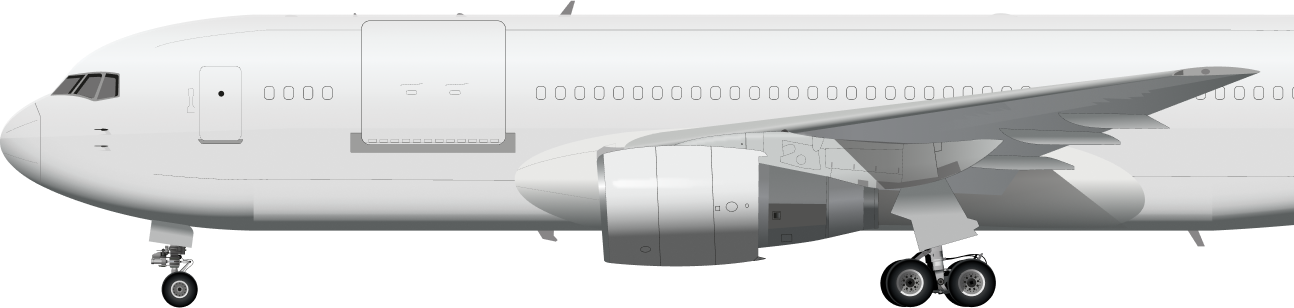
AIR CHARTER AIRCRAFT
Reliable, on-demand aircraft charter solutions—customized to move your freight faster, safer, and smarter.
View Charter Options
PILATUS PC-12
A small, single-engine aircraft with a large aft cargo door, designed for short- to medium-range travel. The PC-12 operates from small airfields and is known for safety and reliability.

CESSNA 406 CARAVAN II
A small, twin-engined turboprop aircraft for short- to medium-range deliveries. Capacity is limited, but its size and versatility allow it to use airports close to where its cargo is produced and needed.

DASSAULT FALCON 20
The perfect aircraft for delivering vital parts or materials quickly, this famously efficient private jet accommodates five pallets and has a range of nearly 3,000 miles.

MCDONNELL DOUGLAS DC-9 15F
A smaller, twin-engined jet built for short- to medium-range transportation. Cargo capacity is a little over 10 tons, but the ability to use shorter runways increases the versatility of this aircraft.
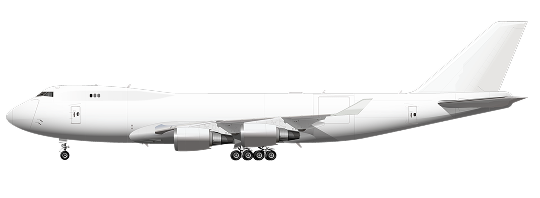
BOEING 747-400F
Built for efficient delivery of huge loads to any corner of the globe. The wide-body design, with an opening nose, large side door, and cargo handling system, simplifies loading and unloading.
INDUSTRY DEEP DIVE
Everything You Need to Know About Air Cargo Carriers
Cargo Aircraft Vs. Passenger Airlines
Air cargo carriers fall into two broad categories: dedicated freighters that operate cargo aircraft exclusively, and passenger airlines that carry cargo in the belly hold of passenger aircraft. Each model has distinct capacity, reliability, and cost implications for shippers moving time sensitive cargo.
<h4>Dedicated Cargo Aircraft Operations</h4> Dedicated freighters offer the most predictable capacity for large or heavy items because the entire aircraft is allocated to freight. These carriers are not subject to the same schedule volatility as passenger airlines, making them a preferred choice for time critical shipments where a missed connection is not an option.
<h4>Belly Cargo on Passenger Aircraft</h4> Passenger aircraft carry cargo in the lower deck alongside checked luggage, which limits available space and imposes stricter weight restrictions. While belly cargo is often a cost-effective option for lighter shipments, capacity can be pulled without notice when passenger baggage volumes spike, creating risk for shippers with firm delivery windows.
The air cargo industry has seen dedicated freighter fleets grow significantly over the past few decades as e-commerce demand and global trade volumes have expanded. Carriers operating their own fleets can offer more consistent service levels and are better equipped to handle specialized cargo, including high value goods and oversized freight that cannot fit in a standard belly hold.
When evaluating freight carriers, shippers should ask whether capacity is owned or contracted, how the carrier handles weather disruptions, and what backup routing options exist across their global network. A carrier with multiple carriers on contract and owned assets provides a meaningful service advantage over brokers with no direct operational control.
For shipments moving across north america or into international lanes, understanding which carrier type handles each leg is critical. A freight forwarder with a dedicated team can map the full routing, identify where belly cargo versus freighter capacity is used, and ensure the air waybill reflects accurate carrier responsibility at each segment.
Moving Time Critical Shipments by Air
The core value proposition of air freight shipping is speed over long distances. When a production line is down, a product launch is imminent, or a medical supply is urgently needed, air transport compresses transit time from days to hours in ways that surface transport simply cannot match.
<h4>Next Flight Out for Urgent Freight</h4> Next flight out service is the most expedited option available through air cargo carriers, placing cargo on the earliest departing aircraft regardless of airline or routing. This approach requires a freight forwarder with real-time access to multiple carriers and the operational capability to execute cargo booking, documentation, and drop-off within a very short window, sometimes under two hours.
<h4>Time Sensitive Freight and Fewer Touchpoints</h4> One of the structural advantages of air freight over other modes is fewer touchpoints between origin and final destination. Fewer handoffs mean reduced risk of damage, loss, or delay. For high value items and valuable cargo, this is not a minor consideration; it directly affects insurance exposure and customer satisfaction.
Shippers moving time-sensitive shipments should confirm that their carrier has confirmed space, not just a booking request. In peak periods, cargo booking confirmations can be downgraded or rolled to a later flight without notification if the carrier oversells capacity. Working with a leading provider that has contractual space agreements reduces this risk substantially.
Air freight cost is the primary trade-off against speed. Air is widely recognized as the most expensive mode of transport per kilogram, but when the cost of a production stoppage or a missed sales window is factored in, the freight costs are often justified. Shippers should evaluate total cost of delay, not just the shipping air freight invoice.
For recurring time critical shipments, establishing a standing service agreement with defined carrier options, backup routings, and escalation contacts is a best practice. Ad hoc bookings made under pressure consistently result in higher shipping costs and lower service reliability than pre-negotiated arrangements.
Handling Oversized and Specialized Air Cargo
Standard air freight services are designed around palletized or boxed freight that fits within the dimensional limits of a standard unit load device. Oversized and heavy cargo, including industrial machinery, aerospace components, and automotive parts, requires a different approach entirely, starting with aircraft selection.
<h4>Cargo Type Determines Aircraft Requirements</h4> Not every cargo aircraft can carry oversized freight. Nose-loading freighters, such as the Boeing 747 freighter, can accommodate cargo that is too long or too tall for side-loading aircraft. Identifying the right cargo type classification early in the planning process prevents costly last-minute aircraft changes and ensures the shipment arrives on schedule.
<h4>Special Cargo Handling Procedures</h4> Special cargo categories include dangerous goods, high value goods, live animals, and fragile or temperature-sensitive items. Each category carries its own documentation requirements, packaging standards, and carrier acceptance criteria. Shippers who do not account for these requirements at the cargo booking stage risk rejection at the origin airport, which can be catastrophic for time sensitive freight.
Heavy items present a different challenge: weight distribution across the aircraft floor must be calculated and approved before loading. This process adds time to the pre-flight preparation window and requires coordination between the shipper, the freight forwarder, and the carrier's load planning team. A dedicated team with experience in heavy cargo can manage this process without adding unnecessary delay.
For under serviced locations or remote locations not served by mainline freighters, combination routings using air transport for the long-haul segment and surface transport or expedited ground for the final leg are common. This approach maintains speed on the critical distance while using the most practical mode for local delivery.
The global air cargo industry has developed standardized unit load device configurations and cargo acceptance manuals to bring consistency to special cargo handling across carriers. Shippers moving specialized cargo internationally should verify that their freight forwarder is familiar with the specific acceptance rules of each carrier on the routing, not just the primary carrier.

Customs Clearance and Air Freight Regulations
International air freight shipping does not end when the aircraft lands. Customs clearance at the destination airport is a separate and often time-consuming process that can hold freight for hours or days if documentation is incomplete, classifications are incorrect, or local regulations have not been followed.
<h4>Air Waybill Accuracy and Customs Documentation</h4> The air waybill is the primary contract of carriage and a key customs document. Errors in the air waybill, including incorrect commodity descriptions, inaccurate weights, or missing shipper and consignee details, can trigger holds at customs that negate the speed advantage of air transport entirely. Shippers should treat air waybill preparation as a critical step, not an administrative afterthought.
<h4>Trade Policies and Local Regulations</h4> Trade policies, import duties, and local regulations vary significantly by country and commodity. Items that move freely under one trade agreement may require licenses, permits, or additional inspections under another. Staying current with these requirements is a full-time responsibility, which is why customs brokerage is typically handled by specialists embedded within a freight forwarder's operation rather than managed directly by shippers.
Dangerous goods represent one of the most regulated cargo categories in the air freight industry. IATA's Dangerous Goods Regulations govern packaging, labeling, documentation, and quantity limits for hazardous materials carried on both passenger aircraft and dedicated freighters. Non-compliance can result in cargo rejection, fines, and in serious cases, criminal liability.
For shippers moving freight across global markets, working with a freight forwarder that offers integrated customs brokerage services eliminates the coordination gap between carrier handoff and customs release. This integration is particularly valuable at destination airports with high cargo volumes where delays in documentation submission can push clearance to the next business day.
Trade policies affecting global trade have grown more complex over the past several years, with tariff changes, sanctions updates, and new import controls being introduced with limited advance notice. Shippers with a reliable service partner that monitors regulatory changes across their active trade lanes are better positioned to avoid delays caused by compliance gaps.

Understanding Air Freight Rates and Total Value
Air freight is the most expensive mode of transport on a per-kilogram basis, but that comparison only tells part of the story. When shippers evaluate air freight options against ocean freight or surface transport, the full cost picture must include inventory carrying costs, risk of damage, and the revenue impact of delayed delivery.
<h4>What Drives Air Freight Rates</h4> Air freight rates are influenced by fuel surcharges, capacity availability, lane demand, cargo dimensions, and the specific services required. Chargeable weight, calculated as the greater of actual weight and volumetric weight, is the billing basis for most air cargo carriers. Shippers with lightweight but bulky freight often pay more than they expect because volumetric weight drives the invoice rather than the scale weight.
<h4>Book Air Freight at the Right Time</h4> Capacity and pricing in the air cargo industry are highly dynamic. Rates on popular lanes can double or more during peak periods such as the pre-holiday shipping surge or during supply chain disruptions. Shippers who book air freight in advance with confirmed space agreements consistently achieve better pricing than those booking on the spot market under time pressure.
For high value goods and valuable cargo, the cost of air freight is often a small fraction of the cargo's total value. A shipment of semiconductors, pharmaceuticals, or precision instruments may have a cargo value that makes even a premium air freight cost look negligible. In these cases, the decision to ship air freight is driven by risk management and reliability rather than cost minimization.
Additional services such as expedited ground pickup, white-glove handling, and real-time tracking add to the total freight costs but also add measurable value. Shippers should evaluate these services based on the specific requirements of each shipment rather than applying a blanket cost-reduction approach that may compromise service quality.
Comparing air freight to other modes requires honest accounting of total logistics process costs. Ocean freight offers lower per-unit shipping costs but adds weeks of transit time and increases inventory requirements. For global reach into markets where speed matters, air carriers provide a freight solution that other modes cannot replicate, and the best price is not always the lowest rate on the invoice.
Expedited Freight Excellence: Explore Our Resource and Blog Section
AirFreight.com is a leader in the expedited freight industry. Our blog and resource section offers information and resources to improve your logistics strategy.



From critical shipments to ongoing support, see why businesses continue to choose AirFreight.com