

Air Freight Companies
A missed airport cutoff can cascade into production shutdowns, missed launches, and broken customer commitments. AirFreight.com keeps your time-sensitive cargo moving by securing the next available departure, managing the booking process, and tracking every leg of the journey so your shipment arrives without the scramble.





How We Carry Your Cargo Worldwide
Freight Solutions That Reach the Globe Faster
Air freight is the fastest mode of commercial shipping for cargo that cannot wait for surface transport. Whether a shipment needs to cross North America overnight or reach a destination on the other side of the globe, leading air freight companies compress transit time in ways that ocean freight and ground transportation simply cannot match.
For shippers moving time-sensitive freight, high-value goods, or specialized loads, the tradeoff is straightforward: the cost of flying is higher than other modes, but the cost of delay is often higher still. That calculus drives demand across manufacturing, aerospace, energy, healthcare, and global trade sectors.
AirFreight.com works as a dedicated logistics partner, coordinating across multiple carriers, managing documentation including the air waybill, and handling border compliance for cross-border shipments. The result is fewer touchpoints between origin and final delivery, and a single team accountable for the outcome.
Choosing among air freight companies is rarely straightforward. Shippers need a partner that brings carrier access, compliance knowledge, and around-the-clock responsiveness together under one roof. AirFreight.com is built precisely for that role, acting as a single coordinating presence that evaluates routing options, manages documentation, and stays accountable from first call to final delivery confirmation, no matter where in the world the cargo needs to go.

Next Flight Out Air Freight
When a shipment cannot wait for the next scheduled departure, next flight out service secures space on the earliest available aircraft. This option is built for time-sensitive cargo where every hour matters. AirFreight.com monitors departures across multiple carriers to find the fastest routing to your target destination, giving shippers a reliable tool to recover from supply chain disruptions before they escalate.

International Air Cargo Forwarding
Moving freight across borders involves more than booking a flight. AirFreight.com manages the full forwarding process: carrier selection, air waybill preparation, border compliance coordination, and door-to-door delivery. Our global network spans major trade lanes and reaches under-serviced locations where direct service is limited, making us a recognized partner for shippers who need tailored solutions across complex routes.

Specialized and Heavy Cargo Solutions
Not every shipment fits standard parameters. Oversized items, hazardous materials, and other special freight types require specific aircraft, handling procedures, and compliance documentation. AirFreight.com coordinates the additional services and carrier approvals needed to move these loads safely and on schedule, applying best practices developed across decades of experience in the industry.

Compare and Book Top Air Carriers
Not all air freight companies maintain the same breadth of carrier relationships, and that gap directly affects what your shipment costs and how quickly it moves. AirFreight.com works across a wide network of freighter operators and commercial airlines, evaluating capacity and routing for each shipment individually. The result is competitive access without the limitations of a single-carrier arrangement, giving your supply chain more options when schedules tighten or demand spikes unexpectedly.
WHAT WE DO
See How International Air Freight Works
Freight moves across global trade lanes faster by air than by any other commercial shipping mode, but the logistics behind each shipment involve carrier selection, documentation, border compliance, and real-time coordination. AirFreight.com manages every step so your cargo reaches its destination on schedule.



Why Shippers Turn to Air Freight Companies Like AirFreight.com to Move Critical Cargo
KEY BENEFITS
AirFreight.com connects your shipment to a nationwide and global carrier network built for flexibility.
Air freight companies that offer genuine carrier breadth give shippers something that single-carrier arrangements cannot: the ability to match each shipment to the best available routing rather than the only available routing. AirFreight.com works across dedicated freighter operators and passenger airlines carrying belly freight, covering major hubs and secondary markets throughout North America and beyond. When your supply chain requires diverse origins and destinations, that network reach translates directly into better outcomes and fewer disruptions.
EXPLORE OUR COVERAGE



When Shippers Choose Air Freight Companies
- Time-Critical Manufacturing
- High Value Goods in
- Remote and Under-Serviced
- Cross-Border Global Trade
- Oversized Cargo by Air
- Cross-Border Customs
- Same Day and Express
- Energy Sector Freight
- Healthcare and Life Sciences
- Trade Show Logistics
Time-Critical Manufacturing Parts
A production line shutdown costs manufacturers far more per hour than any freight cost. When a critical component fails and ground transportation cannot deliver in time, air freight companies provide the speed needed to recover. AirFreight.com secures next flight out departures for time-sensitive freight, coordinates pickup, and manages the full chain from origin to receiving airport so the part arrives before the line goes cold. This is one of the most common scenarios where shippers book air freight for immediate support.

High Value Goods in Transit
Valuable cargo, including electronics, medical devices, precision instruments, and luxury goods, benefits from air transit for reasons beyond speed. Fewer touchpoints mean less handling, lower exposure to damage, and a shorter window of risk compared to ocean freight or ground transportation across long distances. AirFreight.com applies secure handling protocols and maintains chain-of-custody documentation for high-value items throughout the shipping process, giving shippers confidence that what they send is what arrives.

Remote and Under-Serviced Markets
Some destinations are simply not accessible by reliable ground or ocean freight. Under-serviced locations, including remote industrial sites, island territories, and markets with limited infrastructure, often depend on air shipping as the only viable option for urgent cargo. AirFreight.com uses its global reach to identify routing options through regional carriers and connecting flights, ensuring that geographic isolation does not become a supply chain failure. Recognized air freight companies reach where other transport modes cannot.

Cross-Border Global Trade
Shipments moving between continents require more than a fast airplane. They require air freight companies with the carrier relationships, documentation expertise, and border compliance capability to move cargo across frontiers without delays. AirFreight.com manages cross-border freight from origin to final delivery, handling the air waybill, coordinating with customs brokers, and monitoring each leg of the journey. For shippers competing in global trade, reliable service at this level is not optional.

Oversized Cargo by Air
Passenger aircraft belly space has strict dimensional and weight limits. Cargo that exceeds those parameters, including industrial equipment, large machinery components, and other heavy items, requires a dedicated freighter. AirFreight.com identifies the right aircraft type for each specialized shipment, coordinates loading and unloading logistics, and ensures compliance with carrier requirements. Moving oversized freight by air is complicated, but it is often the only option when timelines are tight and ocean freight is too slow. Shippers who book air freight for these loads need a partner with the right approvals already in place.

Cross-Border Customs Compliance
Cargo crossing borders faces compliance requirements that vary by country, freight type, and declared value. Errors in documentation, missing permits, or unfamiliarity with local regulations at the receiving airport can hold a shipment for days. AirFreight.com works with experienced brokerage partners to prepare accurate paperwork, classify freight correctly, and anticipate requirements before the aircraft departs. Proactive compliance management keeps cargo moving and reduces the risk of costly holds, which is a standard practice among leading air freight companies.

Same Day and Express Air
Some scenarios leave no room for scheduled departures. Same-day and express options exist for time-sensitive cargo where the window between need and deadline is measured in hours. AirFreight.com coordinates same-day departures, including charter services when commercial options are unavailable or insufficient. These freight solutions are designed for the most urgent cargo shipments: emergency parts, critical medical supplies, and time-sensitive freight that cannot be deferred. Shippers who need to book air freight on short notice rely on air freight companies with the carrier access to execute immediately.

Keeping Energy Projects on Schedule with Reliable Air Freight
Oil and gas operations, renewable energy installations, and power generation projects share a common vulnerability: a single missing component can halt work across an entire site. Air freight companies that specialize in expedited logistics give energy operators a reliable path to move replacement parts, control equipment, and specialized tools on tight timelines regardless of how remote the destination is. AirFreight.com coordinates carrier selection, ground handling, and border compliance so energy shippers can focus on the project rather than the logistics of getting parts there.

Temperature-Sensitive and Urgent Healthcare Cargo Demands a Dependable Partner
Hospitals, pharmaceutical distributors, and medical device manufacturers cannot absorb the delays that come with slower freight modes. When critical supplies or equipment are needed urgently, air freight companies with 24/7 dispatch and dedicated account management provide the responsiveness that healthcare operations require. AirFreight.com handles urgent medical cargo with the attention to documentation, chain-of-custody coordination, and real-time tracking that regulated industries demand, ensuring your shipment is treated with the priority its clinical or operational importance warrants.

Exhibit Materials and Display Freight That Cannot Miss a Show Floor Deadline
Trade shows operate on fixed schedules that do not accommodate late freight. Marketing materials, display systems, product samples, and audio-visual equipment all need to arrive at a specific venue by a specific time, or the investment in attending the event is lost. Air freight companies with strong domestic carrier access and precise shipment monitoring give exhibitors the confidence that cargo will be staged and ready before doors open. AirFreight.com manages these time-bound moves with the same urgency that shippers bring to their most critical industrial freight.
Wherever You Need Us, You'll Find Us
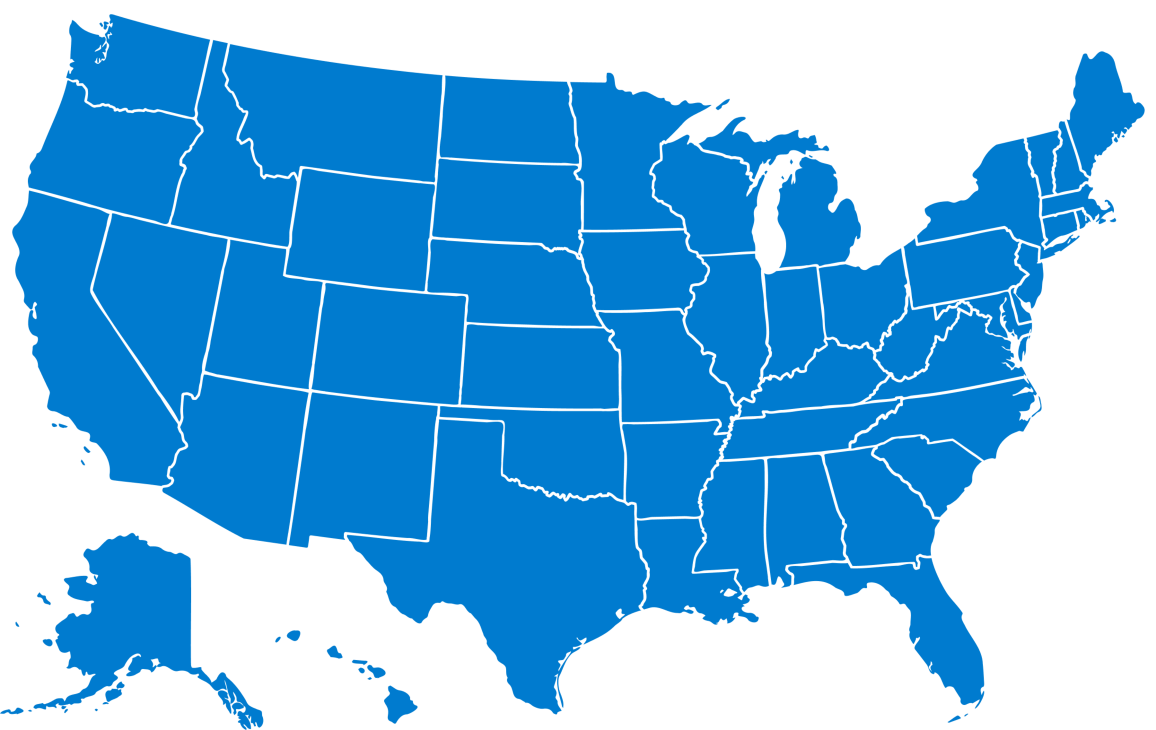
We're proud to serve customers across the United States with custom shipping solutions designed to meet urgent needs. Browse by state to view services in your area.
AREAS WE SERVICE
Alabama
(205) 453-1955
![Alabama]() Alabama
Alabama

Centered around Birmingham, Huntsville, and Mobile, Alabama is known for aerospace, automotive, and advanced manufacturing. Its competitive business climate and skilled workforce support efficient operations and long-term investment.
Alaska
(907) 331-6911
![Alaska]() Alaska
Alaska

Alaska’s location supports time-sensitive shipments for oil, fishing, and remote resource development. We offer custom shipping and delivery access through Anchorage, Fairbanks, and coastal hubs.
Arizona
(623) 252-0101
![Arizona]() Arizona
Arizona

Phoenix, Tucson, and Mesa anchor Arizona’s expanding economy, with strengths in technology, aerospace, and clean energy. A business-friendly environment and consistent population growth attract a range of enterprises.
Arkansas
(314) 269-1222
![Arkansas]() Arkansas
Arkansas

Little Rock and Fayetteville support Arkansas’s economy, known for its concentration in retail, agriculture, and transportation. The state’s central location and affordable business costs appeal to companies serving national markets.
California
(323) 648-3500
![California]() California
California

Explore time-critical shipping coverage across Los Angeles, San Francisco, San Diego, and the Central Valley. California leads the nation in technology, entertainment, agriculture, and global trade connections.
Colorado
(720) 262-8998
![Colorado]() Colorado
Colorado

Denver, Boulder, and Colorado Springs contribute to Colorado’s strengths in aerospace, software development, and outdoor recreation. A well-educated population and strong quality of life continue to draw new businesses.
Connecticut
(203) 916-6900
![Connecticut]() Connecticut
Connecticut

Explore reliable delivery services for finance, insurance, and biotech sectors in Hartford, Stamford, and New Haven. Connecticut’s position between New York and Boston provides direct access to Northeast economic hubs.
Delaware
(302) 504-6044
![Delaware]() Delaware
Delaware

Wilmington leads Delaware’s activity in finance, pharmaceuticals, and corporate services. Its streamlined incorporation process and favorable legal framework attract many national and international businesses.
District of Columbia
(800) 713-1000
![dc state icon]() District of Columbia
District of Columbia

Located in the heart of the nation's capital, our Washington, D.C. hub specializes in urgent and highly sensitive shipments. We provide rapid delivery for government contractors and professional services firms, ensuring your cargo arrives securely and on time in this critical market.
Florida
(786) 231-6700
![Florida]() Florida
Florida

Florida’s major metros, Miami, Orlando, and Tampa, support thriving sectors like tourism, aerospace, and international trade. The state’s coastal access and tax-friendly policies are major draws for businesses of all sizes.
Georgia
(678) 288-5005
![Georgia]() Georgia
Georgia

With Atlanta, Savannah, and Augusta as key centers, Georgia is recognized for its contributions to film, manufacturing, and transportation. A well-connected infrastructure and growing tech scene make it a strong option for expansion.
Hawaii
(808) 845-4577
![Hawai]() Hawaii
Hawaii

Honolulu anchors Hawaii’s economy, which includes tourism, defense, and sustainable agriculture. Its location in the Pacific enables unique access to Asian markets and renewable energy development.
Idaho
(208) 577-6233
![Idaho]() Idaho
Idaho

Boise, Twin Falls, and Idaho Falls are central to Idaho’s growing sectors in agriculture, food processing, and tech. A low cost of living and supportive business policies encourage entrepreneurship and relocation.
Illinois
(773) 966-2800
![Illinois]() Illinois
Illinois

Statewide shipping access, from Chicago to Springfield, supports manufacturing, agriculture, and related operations. Illinois offers a large talent base and strong connections to both national and global markets.
Indiana
(317) 800-7222
![Indiana]() Indiana
Indiana

Indianapolis, Fort Wayne, and Evansville contribute to Indiana’s manufacturing, life sciences, and agriculture industries. A central U.S. location and stable regulatory environment support long-term business growth.
Iowa
(515) 954-7522
![Iowa]() Iowa
Iowa

Explore reliable shipping and delivery services in Des Moines, Cedar Rapids, and Davenport for agricultural products, insurance documents, and machinery. Iowa combines rural productivity with strong financial and tech sectors.
Kansas
(913) 827-1722
![Kansas]() Kansas
Kansas

Kansas City, Wichita, and Topeka anchor Kansas’s industries in aviation, bioscience, and renewable energy. Low operational costs and a central geographic position benefit businesses with national reach.
Kentucky
(502) 230-4444
![Kentucky]() Kentucky
Kentucky

Learn about custom delivery support for bourbon, healthcare products, and auto parts in Louisville, Lexington, and Bowling Green. Kentucky’s distribution networks and manufacturing legacy make it ideal for time-sensitive shipping.
Louisiana
(225) 372-8100
![Louisiana]() Louisiana
Louisiana

New Orleans, Baton Rouge, and Shreveport shape Louisiana’s focus on energy, shipping, and chemical production. Its access to the Gulf of Mexico and established port infrastructure offer critical trade advantages.
Maine
(978) 662 2214
![Maine]() Maine
Maine

Serving Portland, Bangor, and Augusta, we offer delivery options for marine products, healthcare, and specialty goods. Maine offers natural access to Canadian and Atlantic markets along with a strong quality-of-life appeal.
Maryland
(443) 335-2344
![Maryland]() Maryland
Maryland

Baltimore, Bethesda, and Frederick contribute to Maryland’s strengths in cybersecurity, biotech, and defense. Its proximity to federal agencies and top research institutions supports innovation and investment.
Massachusetts
(617) 934-7800
![Massachusetts]() Massachusetts
Massachusetts

Supporting urgent deliveries in Boston, Cambridge, and Worcester, we ship pharmaceuticals, higher education, and R&D-driven goods. Massachusetts offers access to top-tier universities and leading-edge innovation hubs.
Michigan
(313) 887-0577
![Michigan]() Michigan
Michigan

Detroit, Grand Rapids, and Ann Arbor form the backbone of Michigan’s automotive, mobility, and manufacturing sectors. A deep talent pool and commitment to innovation attract investment in advanced industries.
Minnesota
(763) 273-5444
![Minnesota]() Minnesota
Minnesota

Explore custom delivery services for medical devices, retail, and food manufacturing across Minneapolis, St. Paul, and Rochester. Minnesota combines innovation with a strong corporate presence and a skilled labor force.
Mississippi
(601) 707-9022
![Mississippi]() Mississippi
Mississippi

Jackson, Gulfport, and Hattiesburg support industries like shipbuilding, agriculture, and manufacturing. Mississippi offers affordable business conditions and strategic access to southern U.S. markets.
Missouri
(816) 865-5800
![Missouri]() Missouri
Missouri

Learn about shipping support across St. Louis, Kansas City, and Springfield for food processing, healthcare products, and life sciences. Missouri’s location and infrastructure support regional delivery and national service coverage.
Montana
(800) 713-1000
![Montana]() Montana
Montana

Billings, Missoula, and Bozeman are central to Montana’s economy, which includes energy, agriculture, and tourism. The state offers wide open space, natural resources, and room for innovative rural development.
Nebraska
(402) 909-0200
![Nebraska]() Nebraska
Nebraska

Omaha, Lincoln, and Grand Island support Nebraska’s activity in finance, agriculture, and manufacturing. Its central location and skilled labor force provide dependable conditions for growth.
Nevada
(702) 583-6200
![Nevada]() Nevada
Nevada

Las Vegas, Reno, and Henderson shape Nevada’s economy in hospitality, mining, and clean energy. The state’s tax structure and rapid population growth contribute to ongoing economic momentum.
New Hampshire
(603) 782-0333
![New Hampshire]() New Hampshire
New Hampshire

Manchester, Nashua, and Concord are economic hubs in New Hampshire, supporting healthcare, manufacturing, and tech. The state combines access to Boston markets with a lower tax burden.
New Jersey
(551) 226-6802
![New Jersey]() New Jersey
New Jersey

Newark, Jersey City, and Princeton support New Jersey’s diverse economy in pharmaceuticals, finance, and logistics. Its proximity to major East Coast metros and deep talent base attract both startups and global firms.
New Mexico
(505) 886-0622
![New Mexico]() New Mexico
New Mexico

New Mexico’s key cities, including Albuquerque, Santa Fe, and Las Cruces, help drive energy, aerospace, and scientific research. The state’s open land and national labs support innovation in advanced industries.
New York
(347) 514-9999
![New York]() New York
New York

New York City, Buffalo, and Albany shape a broad economy in finance, media, and health sciences. With access to global markets and deep institutional resources, New York is a leader in commerce and innovation.
North Carolina
(704) 325-4111
![North Carolina]() North Carolina
North Carolina

Charlotte, Raleigh, and Durham contribute to North Carolina’s leadership in banking, biotech, and manufacturing. A growing talent pool and strong research universities attract long-term investment.
North Dakota
(701) 212-1922
![North Dakota]() North Dakota
North Dakota

North Dakota’s energy, agriculture, and technology sectors are supported by the state's metro areas, including Fargo, Bismarck, and Grand Forks. Low unemployment and stable growth create a welcoming climate for business development.
Ohio
(330) 648-0515
![Ohio]() Ohio
Ohio

Covering major cities like Columbus, Cleveland, and Cincinnati with tailored shipping solutions and reliable delivery networks. Ohio offers central access to the Midwest with leading industries in healthcare, manufacturing, and finance.
Oklahoma
(405) 445-7505
![Oklahoma]() Oklahoma
Oklahoma

Providing custom shipping options throughout Portland, Eugene, and Salem, we deliver advanced tech and sustainable goods. Oregon's economy thrives on innovation in technology, clean energy, and advanced manufacturing.
Oregon
(503) 573-8000
![Oregon]() Oregon
Oregon

With Portland at the forefront, Oregon has built a reputation for innovation in green energy, advanced manufacturing, and software. Its commitment to sustainability and quality of life draws both startups and global brands.
Pennsylvania
(215) 989-4444
![Pensilvania]() Pennsylvania
Pennsylvania

Supporting urgent deliveries and time-critical shipments includes cities such as Philadelphia, Pittsburgh, and Harrisburg. Pennsylvania connects East Coast markets with strengths in education, healthcare, and industrial manufacturing.
Rhode Island
(800) 713-1000
![Rhode Island]() Rhode Island
Rhode Island

Fast, flexible shipping supports marine products, healthcare, and design goods in Providence, Warwick, and Newport. Rhode Island’s coastal access and dense regional network support creative and technical industries.
South Carolina
(803) 403-9055
![South Carolina]() South Carolina
South Carolina

Custom shipping and delivery supports auto parts, aerospace components, and industrial goods in Charleston, Columbia, and Greenville. The state is known for its growing role in advanced manufacturing and exports.
South Dakota
(800) 713-1000
![South Dakota]() South Dakota
South Dakota

Reliable delivery services operate in Sioux Falls, Rapid City, and beyond for agriculture, finance, and light manufacturing. South Dakota attracts business with no corporate income tax and a stable economic environment.
Tennessee
(615) 970-7100
![Tennessee]() Tennessee
Tennessee

Time-critical shipping solutions serve Nashville, Memphis, and Knoxville for healthcare, automotive, and music-related goods. Tennessee offers access to key Southern markets with strong infrastructure and workforce programs.
Texas
(512) 828-7766
![Texas]() Texas
Texas

Custom shipping solutions for construction, manufacturing, oil & gas, and more support major cities, including Dallas and Austin. Enjoy Texas’ business-friendly climate, no state income tax, and prime location.
Learn More About TexasUtah
(801) 784-1444
![Utah]() Utah
Utah

Salt Lake City, Provo, and Ogden handle urgent shipments for the tech, finance, and recreation industries. Utah combines rapid economic growth with a skilled, youthful workforce and a strong startup culture.
Vermont
(800) 713-1000
![Vermont]() Vermont
Vermont

Burlington and the surrounding areas support efficient delivery services for specialty foods, renewable energy systems, and small-scale manufacturing. Vermont promotes sustainability, community-based business, and green innovation.
Virginia
(757) 301-5033
![Virginia]() Virginia
Virginia

Richmond, Virginia Beach, and Arlington offer streamlined shipping and delivery access for defense, cybersecurity, and maritime goods. Virginia’s proximity to D.C. and educated workforce support both public and private sector growth.
Washington
(425) 440-0844
![Washington]() Washington
Washington

Seattle, Tacoma, and Spokane provide fast delivery and custom shipping for aerospace parts, tech products, and agricultural exports. Washington combines West Coast market access with a deep culture of innovation.
West Virginia
(804) 886-3100
![West Virginia]() West Virginia
West Virginia

Charleston, Morgantown, and Huntington offer shipping options for energy, chemical, and forestry-related goods. West Virginia’s natural resources and infrastructure investments support long-term business activity.
Wisconsin
(608) 807-1800
![Wisconsin]() Wisconsin
Wisconsin

Milwaukee, Madison, and Green Bay offer statewide shipping solutions for dairy, heavy equipment, and medical products. Wisconsin is known for its industrial strength and commitment to workforce development.
Wyoming
(800) 713-1000
![Wyoming]() Wyoming
Wyoming

Cheyenne, Casper, and surrounding regions provide custom shipping support for energy and natural resource projects. Wyoming offers tax advantages and wide-open space for growing operations in mining, ranching, and energy.
AIR CHARTER AIRCRAFT
Reliable, on-demand aircraft charter solutions—customized to move your freight faster, safer, and smarter.
View Charter Options
PILATUS PC-12
A small, single-engine aircraft with a large aft cargo door, designed for short- to medium-range travel. The PC-12 operates from small airfields and is known for safety and reliability.

CESSNA 406 CARAVAN II
A small, twin-engined turboprop aircraft for short- to medium-range deliveries. Capacity is limited, but its size and versatility allow it to use airports close to where its cargo is produced and needed.

DASSAULT FALCON 20
The perfect aircraft for delivering vital parts or materials quickly, this famously efficient private jet accommodates five pallets and has a range of nearly 3,000 miles.
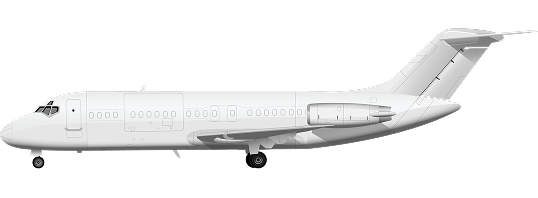
MCDONNELL DOUGLAS DC-9 15F
A smaller, twin-engined jet built for short- to medium-range transportation. Cargo capacity is a little over 10 tons, but the ability to use shorter runways increases the versatility of this aircraft.
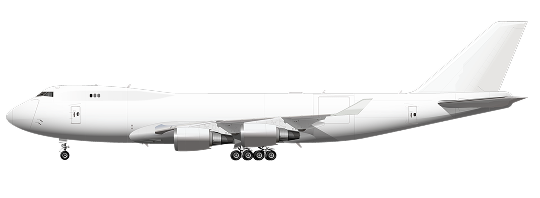
BOEING 747-400F
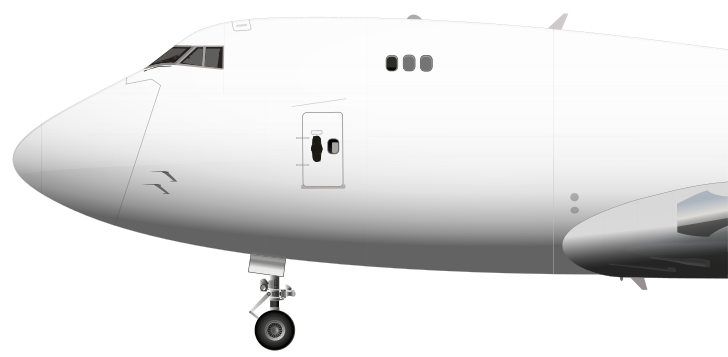
Built for efficient delivery of huge loads to any corner of the globe. The wide-body design, with an opening nose, large side door, and cargo handling system, simplifies loading and unloading.
AIR FREIGHT DEEP DIVE
What Air Freight Companies Actually Do and How They Work
Core Air Freight Services and What They Include
Air freight companies offer a range of freight solutions that go well beyond simply booking space on an airplane. The scope of air freight services typically includes cargo booking, customs clearance, documentation handling, and coordination with ground transport at both origin and destination airports. A dedicated team manages each shipment from pickup through final destination delivery, reducing the number of touchpoints compared to multi-modal alternatives.
Handling Time Sensitive Cargo and High Value Goods
Time sensitive cargo is the primary driver behind most air freight decisions. When shipments involve high value goods, pharmaceuticals, electronics, or critical manufacturing components, the speed and security of air transport justify the higher freight costs. Air freight services are designed to minimize dwell time and keep cargo moving through the network without unnecessary delays.
Next Flight Out and Express Air Freight Options
For the most urgent needs, next flight out services place cargo on the earliest available departure regardless of carrier. This approach is common for time critical shipments where even a few hours matter. Express air freight options provide a middle ground, offering faster transit than standard air shipping while maintaining predictable scheduling and competitive air freight cost structures.
Air freight companies also coordinate additional services such as specialized cargo handling, dangerous goods compliance, and oversized cargo management. These capabilities separate full-service providers from simple booking platforms. The ability to carry cargo of varying types, including special cargo with unique handling requirements, reflects the operational depth that shippers should evaluate when selecting a provider.
Passenger airlines and dedicated cargo aircraft both play a role in the global air cargo industry. Belly freight on passenger aircraft handles a significant share of international air freight volume, while freighter-only operations serve routes and cargo types that passenger aircraft cannot accommodate. Understanding which option applies to a given shipment helps shippers set realistic expectations around capacity, scheduling, and air freight rates.

Breaking Down Air Freight Rates and Shipping Costs
Air freight is widely recognized as the most expensive mode of shipping when measured against ocean freight or surface transport on a per-kilogram basis. However, the total cost calculation changes significantly when factoring in inventory carrying costs, insurance premiums for high value items, and the revenue impact of delayed shipments. For many shippers, air freight cost is justified by the business outcomes it protects.
Factors That Drive Air Freight Cost Variability
Several variables influence what shippers pay when they book air freight. Cargo type, dimensional weight, origin and destination airport pairs, fuel surcharges, and seasonal demand all affect the final rate. Heavy items and oversized cargo often carry additional handling fees that can double the base rate. Air carriers apply different pricing structures depending on whether the shipment moves on passenger aircraft belly space or dedicated cargo aircraft.
Getting an Accurate Air Freight Quote
Obtaining a reliable air freight quote requires complete information upfront: exact dimensions, actual weight, commodity description, and any special cargo requirements. Freight costs quoted without this detail are often revised at origin, creating budget surprises. Working with a freight forwarder who has access to multiple carriers allows shippers to compare air freight options and identify the best price for their specific lane and timeline.
Shipping costs in air freight also reflect the value of speed and reliability. Fewer touchpoints in the air freight process reduce the risk of damage and loss compared to multi-modal alternatives that involve more handling events. For valuable cargo moving long distances, this reliability factor is a legitimate cost offset that procurement teams should include in their total cost of ownership analysis.
Volume commitments and long-term agreements with air freight companies can reduce per-shipment freight costs meaningfully. Shippers with consistent lane volume are in a stronger position to negotiate rates with air carriers, particularly on routes where multiple carriers compete. Spot market rates fluctuate based on capacity and demand, so shippers who rely exclusively on spot bookings face more pricing volatility than those with contracted capacity.
How Global Air Cargo Networks Connect International Markets
The global reach of established air freight companies is one of their most operationally significant advantages. Access to a global network of air carriers, handling agents, and ground transport partners allows freight to move between virtually any two points on earth, including remote locations and under serviced locations that ocean freight or surface transport cannot efficiently reach. This connectivity is foundational to global trade across dozens of industries.
Serving International Air Freight Across Global Markets
International air freight moves through a layered system of hub airports, regional gateways, and local handling facilities. Air freight companies with strong global markets coverage maintain relationships with carriers and agents at each layer, ensuring that cargo transitions smoothly between international trunk routes and local delivery networks. The destination airport is rarely the final destination; last-mile coordination is part of what a full-service provider manages.
North America Networks and Cross-Border Coordination
Within North America, air freight companies operate dense networks that connect major manufacturing and distribution centers with international departure points. Cross-border shipments between the United States, Canada, and Mexico involve customs clearance requirements at each border crossing, and experienced providers build these steps into their standard logistics process. Shippers moving goods across North America benefit from providers who understand both domestic air shipping and international connecting services.
The air cargo industry has grown significantly over recent decades, driven by the expansion of global trade and e-commerce. This growth has pushed air freight companies to invest in technology platforms that provide real-time visibility, automated cargo booking, and proactive exception management. Shippers now expect the same level of tracking and communication from air freight that they receive from parcel carriers.
For shippers entering new markets, the global network of a leading provider reduces the complexity of establishing reliable freight lanes. Rather than building relationships with local carriers and agents independently, shippers can leverage an existing infrastructure that has been tested across multiple carriers and trade lanes. This is particularly valuable when entering markets where local regulations and handling practices are unfamiliar.
Navigating Customs Clearance for Air Freight Shipments
Customs clearance is consistently one of the most complicated aspects of international air freight shipping. Errors in documentation, incorrect commodity classifications, or missing permits can hold cargo at the destination airport for days, completely negating the speed advantage of air transport. Air freight companies with in-house customs brokerage capabilities provide a significant operational advantage by managing this process as part of their standard service offering.
Air Waybill Accuracy and Freight Documentation
The air waybill is the primary document governing an air freight shipment. It serves as the contract of carriage, the customs declaration, and the shipment tracking record simultaneously. Errors on the air waybill, including incorrect weight, inaccurate commodity descriptions, or missing shipper and consignee details, create clearance delays that are difficult to resolve once cargo is in transit. Experienced air freight companies review documentation before cargo is tendered to avoid these issues.
Trade Policies and Local Regulations Affecting Air Cargo
Trade policies change frequently, and local regulations vary significantly between countries and even between ports of entry within the same country. Import duties, restricted commodity lists, licensing requirements, and phytosanitary certificates are just a few of the compliance elements that affect whether a shipment clears smoothly. Air freight companies that stay current on regulatory changes protect their clients from unexpected holds and penalties.
Dangerous goods represent a specialized compliance category within air freight regulations. Shipping dangerous goods by air requires strict adherence to IATA regulations, including proper classification, packaging, labeling, and documentation. Not all air carriers accept all dangerous goods categories, and the responsibility for correct classification rests with the shipper. A knowledgeable freight forwarder helps shippers navigate these requirements and identify carriers that can accommodate their specific cargo type.
Customs brokerage services integrated with air freight operations allow for pre-clearance filing, which can significantly reduce the time cargo spends at the destination airport. Pre-clearance is particularly valuable for time-sensitive shipments where every hour of dwell time represents a cost. Shippers should confirm whether their air freight provider offers this capability as a standard practice or as an additional service requiring separate engagement.

Managing Specialized Cargo and Time Critical Shipments
Not all cargo moves the same way, and air freight companies that handle specialized cargo invest heavily in the training, equipment, and carrier relationships needed to manage these shipments correctly. Specialized cargo categories include oversized and heavy cargo, high value items requiring enhanced security, sensitive electronics, and cargo with specific loading and unloading requirements. Each category demands a different approach to booking, handling, and documentation.
Oversized and Heavy Cargo on Cargo Aircraft
Oversized cargo that cannot fit in standard ULD containers requires freighter aircraft with large cargo doors and reinforced flooring. Air freight companies arranging these shipments must confirm aircraft compatibility before booking, as not all cargo aircraft can accommodate every dimension or weight configuration. Heavy items also affect weight and balance calculations for the aircraft, requiring coordination between the freight forwarder, ground handler, and airline operations teams.
Air Charter Services for Critical and Sensitive Freight
When standard scheduled services cannot meet the requirement, air charter services provide a dedicated solution. Chartering an aircraft gives shippers complete control over departure timing, routing, and cargo configuration. This option is used for time critical shipments where no scheduled service can deliver within the required window, or for cargo types that scheduled carriers will not accept. Air charter is also used to move cargo to remote locations not served by regular freight services.
The air freight industry has developed increasingly sophisticated tools for managing critical logistics scenarios. Real-time tracking, proactive weather disruption management, and alternative routing capabilities allow dedicated teams to respond when primary plans fail. Shippers moving valuable cargo or time-sensitive shipments should evaluate how a provider handles exceptions, not just how they perform under normal conditions.
Surface transport plays a supporting role even in air-focused supply chains. Expedited ground services connect origin facilities to departure airports and destination airports to final delivery points. For cargo shipments that miss a flight or face weather disruptions, ground transport options can sometimes recover the timeline without requiring a full rebooking. Air freight companies that control both air and ground assets offer more flexibility in these recovery scenarios, providing reliable service even when the primary plan encounters complications.

Freight Forwarders, Asset-Based Carriers, and Brokers: How Air Freight Companies Differ
Air freight companies operate under several different business models, and the distinctions matter when you are selecting a logistics partner. Asset-based carriers own and operate aircraft directly, while freight forwarders and logistics brokers like AirFreight.com work across multiple carriers to find the right routing and capacity for each individual shipment. This non-asset model gives shippers access to a broader range of options rather than being limited to a single carrier's network, schedule, or pricing structure.
The practical advantage for shippers is flexibility. When a forwarder or expedited logistics provider maintains strong relationships across many carriers, it can respond to capacity shortfalls, schedule changes, and route disruptions in ways that a single-carrier arrangement cannot. For businesses that move diverse freight across multiple lanes, partnering with air freight companies that aggregate carrier access typically produces more consistent outcomes and fewer single points of failure in the supply chain.

Key Criteria for Comparing Air Freight Companies Before You Commit
Not all air freight companies deliver the same level of service, and for shippers moving time-sensitive or high-value cargo, the differences matter considerably. The most important factors to evaluate include the breadth of carrier relationships a provider maintains, how account management is structured during a shipment, what tracking and visibility tools are available, and how the provider handles exceptions such as delays, weather disruptions, or documentation issues at customs. Price is always relevant, but it should be weighed against the cost of a shipment that arrives late or requires manual intervention to clear.
A strong logistics partner should also demonstrate fluency in the specific freight types and lanes relevant to your operation. Providers that have handled hazardous materials, oversized cargo, or cross-border compliance in your sector bring institutional knowledge that reduces risk. When evaluating air freight companies, asking about account team structure, escalation procedures, and real-time tracking capabilities will tell you more about operational reliability than rate sheets alone.
Expedited Freight Excellence: Explore Our Resource and Blog Section
AirFreight.com is a leader in the expedited freight industry. Our blog and resource section offers information and resources to improve your logistics strategy.



From critical shipments to ongoing support, see why businesses continue to choose AirFreight.com