Skip to content
5.0 rated on Trustpilot

Logistics Definition

Logistics is the work of getting goods where they are needed, on time and in good condition. It covers transport, storage, inventory and the information that ties them together. When freight is urgent, AirFreight.com handles the air and ground transport side.

Why shippers call

Emergency Deliveries Handled

“Steve Janssen did a wonderful job getting me an emergency delivery.” — Richard

A Pallet Delivered Next Day

“We had a customer that called a 3pm and needed a 1 ton pallet delivered from one of our venders the next day.” — John

Updates at Every Step

“Very responsive and got me on the schedule and kept me updated at every junction.” — Patrick

URGENT LOGISTICS SERVICES

Logistics Is Simple to Define and Hard to Get Right

Logistics sounds abstract until a shipment is late. Then it gets very concrete: a truck that didn't show, a flight that left without the freight or a part stuck in a warehouse across the country.

AirFreight.com works on the transport side of logistics, where urgent freight is won or lost. We book air freight, air charter and dedicated trucks for freight that can't wait, and one expediter tracks each shipment to delivery.

Most of the time, logistics runs in the background. Inventory is planned, carriers are booked and shipments arrive as expected. The work shows up when something breaks. Then the question becomes how fast the missing piece can move, and who is going to move it.

Here is what logistics means, what it covers and how the pieces fit together.

AIR FREIGHT Icon of a plane flying over boxes

Same Day and Next Day Air Freight

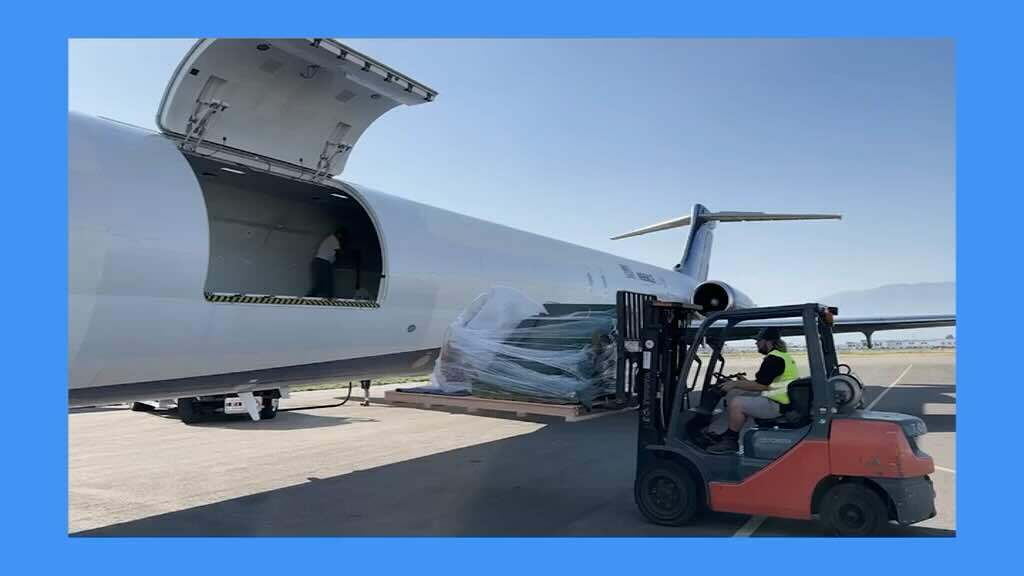
When inventory runs short, urgent freight flies on the first flight with space. Trucks pick up and deliver at both ends, so the part goes dock to dock. Your expediter checks the cutoffs and books the trucks around the flight.

Learn More about Air freight
AIR CHARTER icon-air-charter

Air Charter for Critical Freight

A chartered aircraft flies a whole load direct when no scheduled flight meets the deadline. It keeps a supply chain moving when a line is down. It flies to the airport closest to the delivery, which cuts time off the final leg.

Learn More about Air charter
URGENT TRUCKING Icon of a truck

Expedited Ground Transport

A dedicated van or truck carries freight straight to the dock, with no terminals or transfers. On shorter lanes it is often the fastest link in the chain. Your freight stays on one vehicle, which means less handling and less risk of damage.

Learn More about Urgent trucking
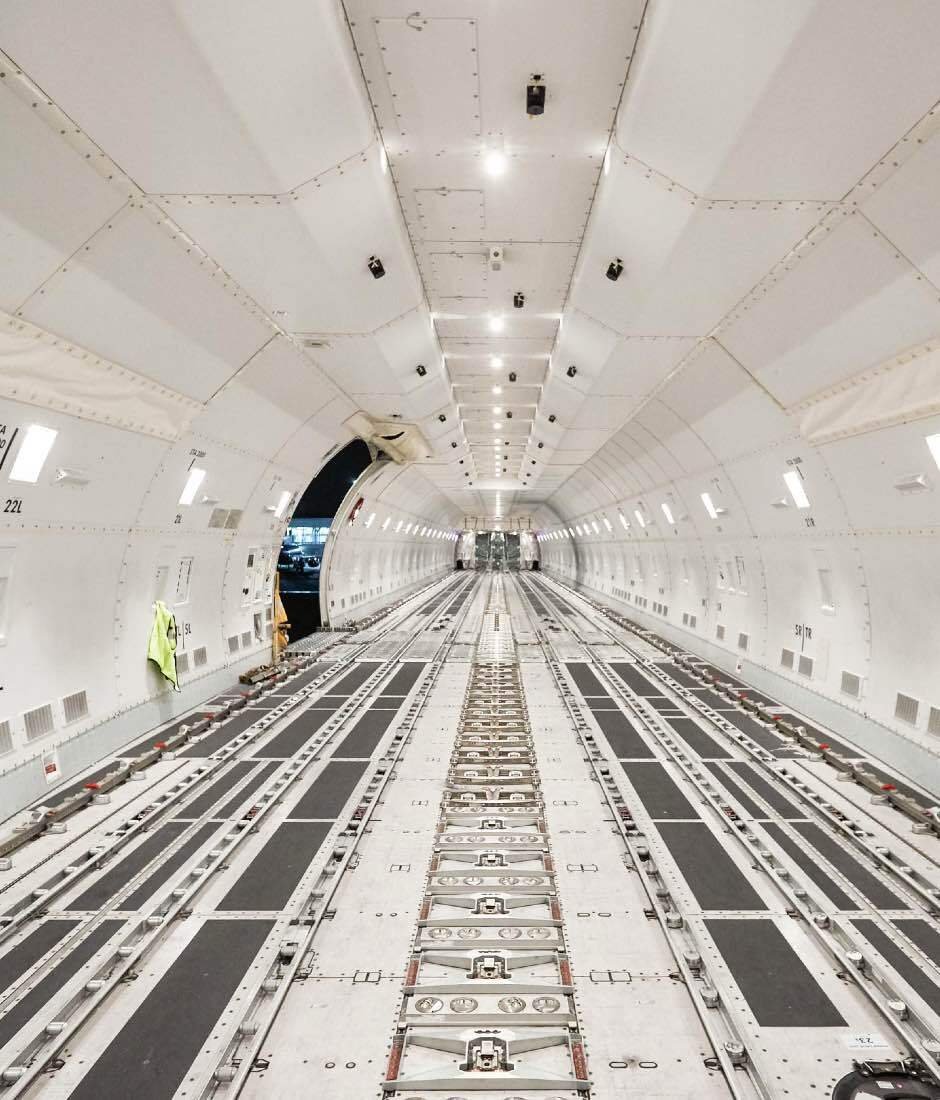
air-cargo-hold
In one line

Getting goods where they are needed

Logistics means deciding how, when and by what means goods move.

Logistics definition In plain words

What logistics means

The simplest logistics definition is getting goods where they are needed, on time and in good condition.

In plain words, it means deciding how something moves, when, by what means and at what cost. For that part, someone picks the mode, books the pickup and tracks it to the dock. The word comes from the Greek logistikos, and armies used it first for moving supplies.

AirFreight.com handles the urgent transport side of logistics. It is especially useful when a delay would stop a production line.

Types of logistics

Inbound, outbound, reverse or third-party logistics

The four common types differ by which way goods flow and who runs the work. AirFreight.com arranges urgent transport for each of them.

Inbound Goods coming in Outbound Goods going out Reverse Returns and repairs Third-Party Run by an outside firm
Brings parts or materials in Yes: Suppliers to the plant No: Flows the other way Sometimes: Returned parts come back Sometimes: If contracted
Sends finished goods out No: Flows the other way Yes: Plant to customer Sometimes: Repaired items go back Sometimes: If contracted
Handles returns and repairs No: Not its job No: Not its job Yes: Its whole purpose Sometimes: Often offered
Run by an outside company Sometimes: In-house or outsourced Sometimes: In-house or outsourced Sometimes: In-house or outsourced Yes: By definition
Often needs urgent freight Yes: A missing part stops lines Sometimes: Customer deadlines Sometimes: Repairs for down equipment Sometimes: Depends on client
Typical example Parts arriving at a plant Stock shipped to stores A failed unit sent for repair An outside warehouse and fulfillment

Inbound

Goods coming in
Brings parts or materials in
Yes: Suppliers to the plant
Sends finished goods out
No: Flows the other way
Handles returns and repairs
No: Not its job
Run by an outside company
Sometimes: In-house or outsourced
Often needs urgent freight
Yes: A missing part stops lines
Typical example
Parts arriving at a plant

Outbound

Goods going out
Brings parts or materials in
No: Flows the other way
Sends finished goods out
Yes: Plant to customer
Handles returns and repairs
No: Not its job
Run by an outside company
Sometimes: In-house or outsourced
Often needs urgent freight
Sometimes: Customer deadlines
Typical example
Stock shipped to stores

Reverse

Returns and repairs
Brings parts or materials in
Sometimes: Returned parts come back
Sends finished goods out
Sometimes: Repaired items go back
Handles returns and repairs
Yes: Its whole purpose
Run by an outside company
Sometimes: In-house or outsourced
Often needs urgent freight
Sometimes: Repairs for down equipment
Typical example
A failed unit sent for repair

Third-Party

Run by an outside firm
Brings parts or materials in
Sometimes: If contracted
Sends finished goods out
Sometimes: If contracted
Handles returns and repairs
Sometimes: Often offered
Run by an outside company
Yes: By definition
Often needs urgent freight
Sometimes: Depends on client
Typical example
An outside warehouse and fulfillment

Many sources add production or distribution logistics, which is why the number of types varies.

Globe with connection lines
The parts

Transport, storage, inventory, information

Each part affects the others, which is why logistics is planned as a whole.

What it covers The parts

What logistics covers

When a single word isn't the right fit for a big job, a list of its parts might be the answer. Transportation moves goods by truck, train, ship or aircraft. Warehousing stores them until they are needed.

Inventory management decides how much to keep and where. Order fulfillment picks, packs and ships each order. Packaging protects goods along the way, and information ties it all together through tracking, labels and paperwork.

In a warehouse, logistics means receiving, storing and shipping goods quickly and accurately. AirFreight.com handles the transport part when it cannot wait, booking urgent air freight or expedited ground and tracking it to delivery.

Logistics in numbers

Air cargo by the numbers

Logistics is a large share of the US economy, inventory costs add up, and trucks carry most freight value.

Inventory carrying

30.4%of logistics costs

Transportation 61.8%
Inventory carrying 30.4%

Source: Supply Chain Digest, on CSCMP/Kearney 2026 State of Logistics Report, 2025

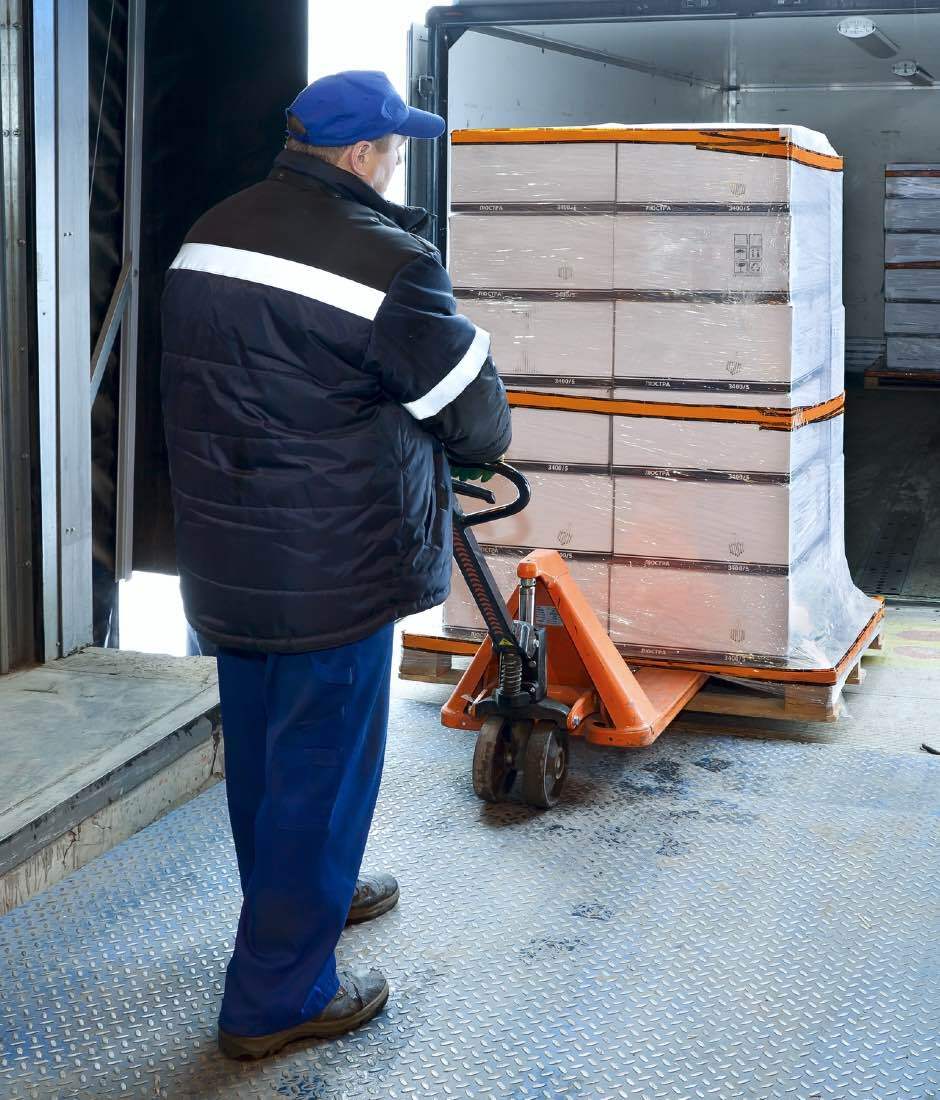
Worker loading a truck
Why lists differ

Three, four or five types

Sources group the same work differently; the flows stay the same.

Types

Types of logistics, and why lists differ

AirFreight.com specializes in the transport side of logistics, which runs through every type. Inbound logistics brings parts and materials into a business. Outbound logistics sends finished goods to customers.

Reverse logistics handles returns, repairs and recycling. Third-party logistics, or 3PL, is when an outside company runs some of this work. Some sources add production or distribution logistics, so lists of three, four or five types are all common.

Any logistics definition also separates it from supply chain management. The supply chain covers sourcing, making and selling, while logistics is the moving and storing within it. We arrange urgent transport for every type, with one expediter from pickup to delivery.

Freight modes

Freight modes, ranked by speed

Ranked for a long-distance shipment. AirFreight.com arranges the air and ground options; rail and ocean appear for context. Re-sort by cost or size.

Sort by
  1. Fastest for large urgent freight

    Air Charter

    A whole aircraft departs when the freight is ready and flies direct. Trucks handle pickup and delivery at both ends.

    GoodNo airline schedule to wait on WatchHighest cost of the options
    Fastest
    relative speed
    $$$$$
    relative cost
    Up to a full aircraft
    typical size
  2. Best balance of speed and cost

    Next Flight Out

    Freight goes on the first departure with space, with pickup and delivery by truck. It suits most urgent boxes and pallets.

    GoodMuch faster than a planned booking WatchTied to airline cutoffs and space
    Fast
    relative speed
    $$$$$
    relative cost
    Boxes to pallets
    typical size
  3. Fastest on shorter lanes

    Expedited Ground

    A dedicated van or truck drives straight to the delivery dock. On shorter runs it often beats the next flight.

    GoodNo cutoffs or airport handoffs WatchSlower than air on long lanes
    Varies by distance
    relative speed
    $$$$$
    relative cost
    Van to full truckload
    typical size
  4. Best for full loads on a schedule

    Full Truckload

    One truck carries one shipper's freight from dock to dock with no terminal stops, on a standard driving schedule.

    GoodNo transfers, large capacity WatchSlower than air on long lanes
    Days, by distance
    relative speed
    $$$$$
    relative cost
    Up to a full trailer
    typical size
  5. Best for heavy loads, flexible dates

    Rail Intermodal

    Containers ride long distances by train, with trucks for the first and last miles. It suits heavy freight that is not urgent.

    GoodEconomical over long distances WatchSlow, with transfers at ramps
    Slow
    relative speed
    $$$$$
    relative cost
    Containers
    typical size
  6. Best for overseas volume

    Ocean Freight

    Containers cross oceans on ships, carrying most international trade by volume. Transit is measured in weeks.

    GoodLowest cost for large volumes WatchSlowest of all modes
    Slowest
    relative speed
    $$$$$
    relative cost
    Containers to full ships
    typical size
5.0 from 1,600+ reviews on

Logistics problem that can't wait? Get a quote.

Send pickup, delivery, pieces, weight and deadline. An expediter books the right flight or truck and keeps you updated until delivery.

  • We were very satisficed with the service Air Freight provided. We needed material moved from Mississippi to Louisiana. The material was picked up in about 3 hours and delivered the next morning in a very satisfactory amount of time.

    Stephen
  • Air Freight has always been a pleasure work with! Kevin is very responses and if something changes he is always on top of it.

    Colton

Request a Quote

Step 1 of 3Origin and Destination Info

Cargo freighter aircraft
Everyday use

"The logistics of it"

In conversation, it means the practical arrangements behind any plan.

Other meanings Other contexts

Logistics in other contexts

From military supply lines to concerts to a family move, the word logistics stretches well beyond freight. Military logistics keeps troops supplied with food, fuel and equipment, and it is where the word began. Event logistics covers venues, equipment, schedules and people.

In everyday speech, "the logistics of it" means the practical arrangements behind a plan. Who drives, when, and what has to happen first are all logistics questions.

Business logistics is the logistics definition most people search for: moving and storing goods for a company. We arrange urgent freight for manufacturers, distributors and service companies across North America. Every shipment is monitored from pickup to delivery.

Logistics in action

One shipment, step by step

Follow one urgent replacement part from the order to delivery. AirFreight.com handles steps four and five for shippers every day.

  1. 01

    The need and the order

    A machine fails, and the plant orders a replacement part from a supplier 1,000 miles away. The deadline is tomorrow morning.

    • Order
    • Deadline
  2. 02

    Plan the move

    Someone weighs the options: parcel, truck or air. Distance and the deadline point to next flight out with trucks at both ends.

    • Mode choice
  3. 03

    Pick and pack

    The supplier pulls the part from inventory, packs it to survive handling and prints the labels and the air waybill details.

    • Packing
    • Paperwork
  4. 04

    Move it

    A truck takes the part to the airport before the cutoff. It flies overnight, and a truck recovers it at the destination.

    • Air freight
    • Truck pickup
  5. 05

    Deliver and confirm

    The part arrives at the plant's dock in the morning. Proof of delivery records who signed for it and when.

    • Proof of delivery
  6. 06

    Return or follow up

    The failed part goes back for repair, which is reverse logistics. The plant may also add a spare to its inventory.

    • Reverse logistics

A simplified example; real moves vary by distance and freight.

Watch on YouTube
Logistics through an investor's eyes
Episode 2 Jun 22, 2026 24 min

Inside Private Equity's Perspective on the Transportation Industry with Daniel Perry

In this episode, Kevin Carpenter hosts Daniel Perry, a private equity expert from Court Square Capital Partners, to explore how investors evaluate transportation companies for scalability and growth. We delve into what makes a transportation business attractive to private equity, the role of sales and marketing, and how AI is transforming sales processes in logistics.

Freight News
Logistics · Market index

Transportation prices surge as capacity tightens

A monthly index of logistics managers shows transportation prices rising and capacity contracting in September.

Aerial view of a truck on the highway
At a glance · October 2026

Capacity contracting

Transportation capacity read 34.4 in September, well below the 50 line that separates growth from contraction.

Prices are rising

According to FreightWaves, the Logistics Managers' Index reached 70.2 in September, up 3.6 points. Its transportation prices reading rose to 92.7.

Source: FreightWaves, October 6, 2026

These high costs are putting significant pressure on supply chains and consumers alike.
Logistics Managers' Index report, Council of Supply Chain Management Professionals and university partners

Capacity is shrinking

Transportation capacity fell to 34.4, a steep contraction. Inventory levels rose to 58.9, and inventory costs stayed high at 79.9.

Book early, keep options open

With capacity tight, urgent freight moves best when booked early. AirFreight.com quotes air and ground side by side, so there is always a backup.

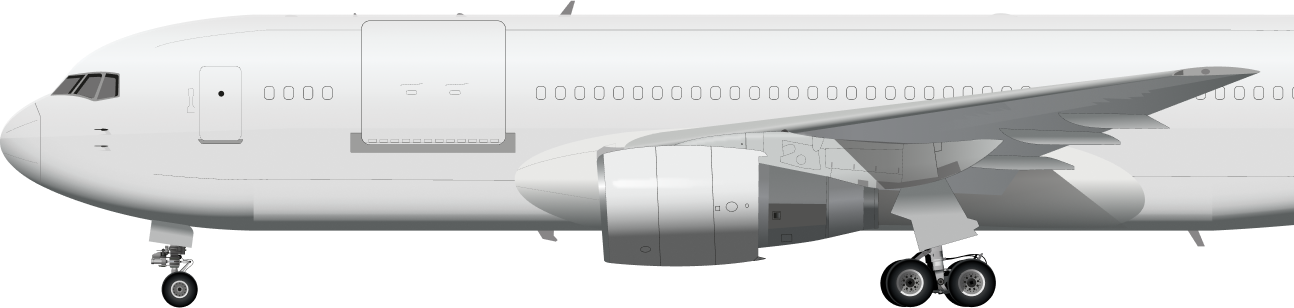
Boeing 767-200F aircraft

AIR CHARTER AIRCRAFT

Reliable, on-demand aircraft charter solutions—customized to move your freight faster, safer, and smarter.

View Charter Options
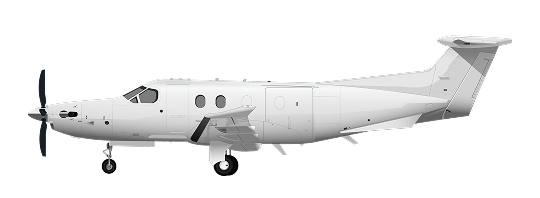
PILATUS PC 12

PILATUS PC-12

A small, single-engine aircraft with a large aft cargo door, designed for short- to medium-range travel. The PC-12 operates from small airfields and is known for safety and reliability.

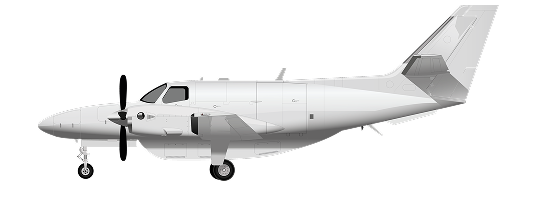
CESSNA 406 CARAVAN II

CESSNA 406 CARAVAN II

A small, twin-engined turboprop aircraft for short- to medium-range deliveries. Capacity is limited, but its size and versatility allow it to use airports close to where its cargo is produced and needed.

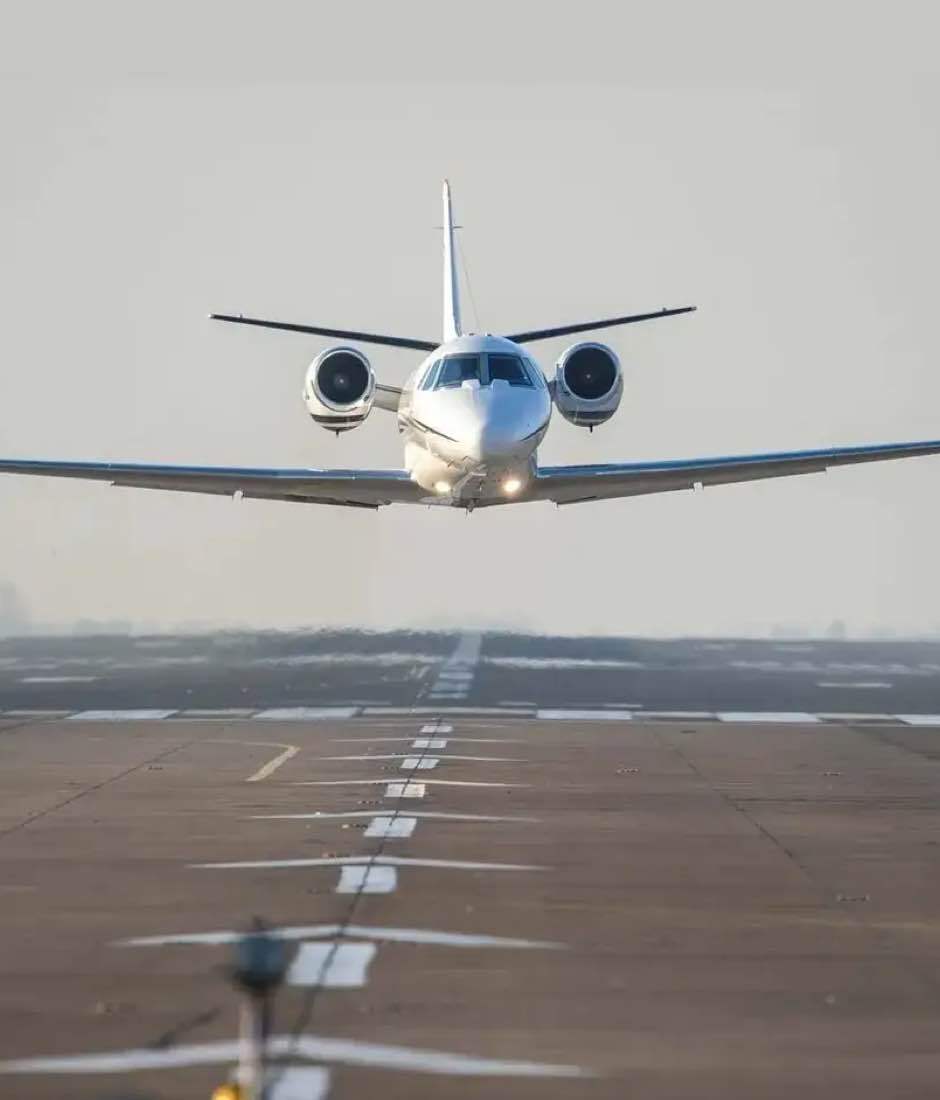
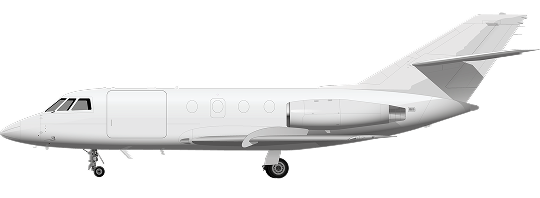
DASSAULT FALCON 20

DASSAULT FALCON 20

The perfect aircraft for delivering vital parts or materials quickly, this famously efficient private jet accommodates five pallets and has a range of nearly 3,000 miles.

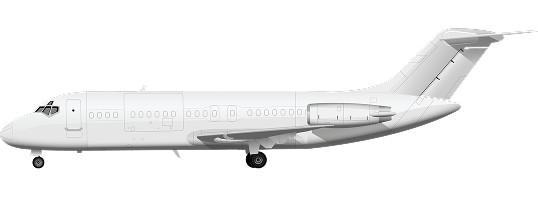
DOUGLAS DC 9 15F

MCDONNELL DOUGLAS DC-9 15F

A smaller, twin-engined jet built for short- to medium-range transportation. Cargo capacity is a little over 10 tons, but the ability to use shorter runways increases the versatility of this aircraft.

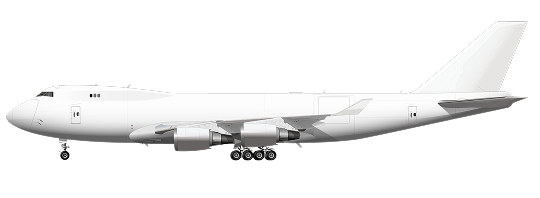
747 400F

BOEING 747-400F

Built for efficient delivery of huge loads to any corner of the globe. The wide-body design, with an opening nose, large side door, and cargo handling system, simplifies loading and unloading.

Expeditor Andy

“I had a single point of contact assigned to our shipment that was fantastic on keeping me updated every step of the way.”

Pamela · Trustpilot
HowWe Work

One Person, Start to Finish

Logistics comes down to who owns the shipment. When you call AirFreight.com, a real person answers and owns yours from the first call to final delivery. Your expeditor plans the route, books the flight or vehicle and updates you at each step. You never re-explain the job to someone new.

  • One expeditor owns the whole plan
  • Updates at pickup, wheels-up, wheels-down and delivery
  • The same person on your next shipment
Expeditor Chris at the airport

“I called up at 7:30 pm... one that was secured cancelled at the end of the day. Todd quoted three shipments on the spot... The last shipment was picked up at Midnight.”

Susan · Trustpilot
WhatWe Provide

The Right Mode, Every Time

Good logistics matches the mode to the freight and the deadline. We weigh air freight, next flight out, hand carry and air charter against sprinter vans, hot shot trucks and other dedicated ground options. You never pay for capacity you do not need, and you always have a backup across the US, Canada and Mexico.

  • Air, hand carry, charter and trucks
  • Mode chosen for the freight and the date
  • A backup option on every plan
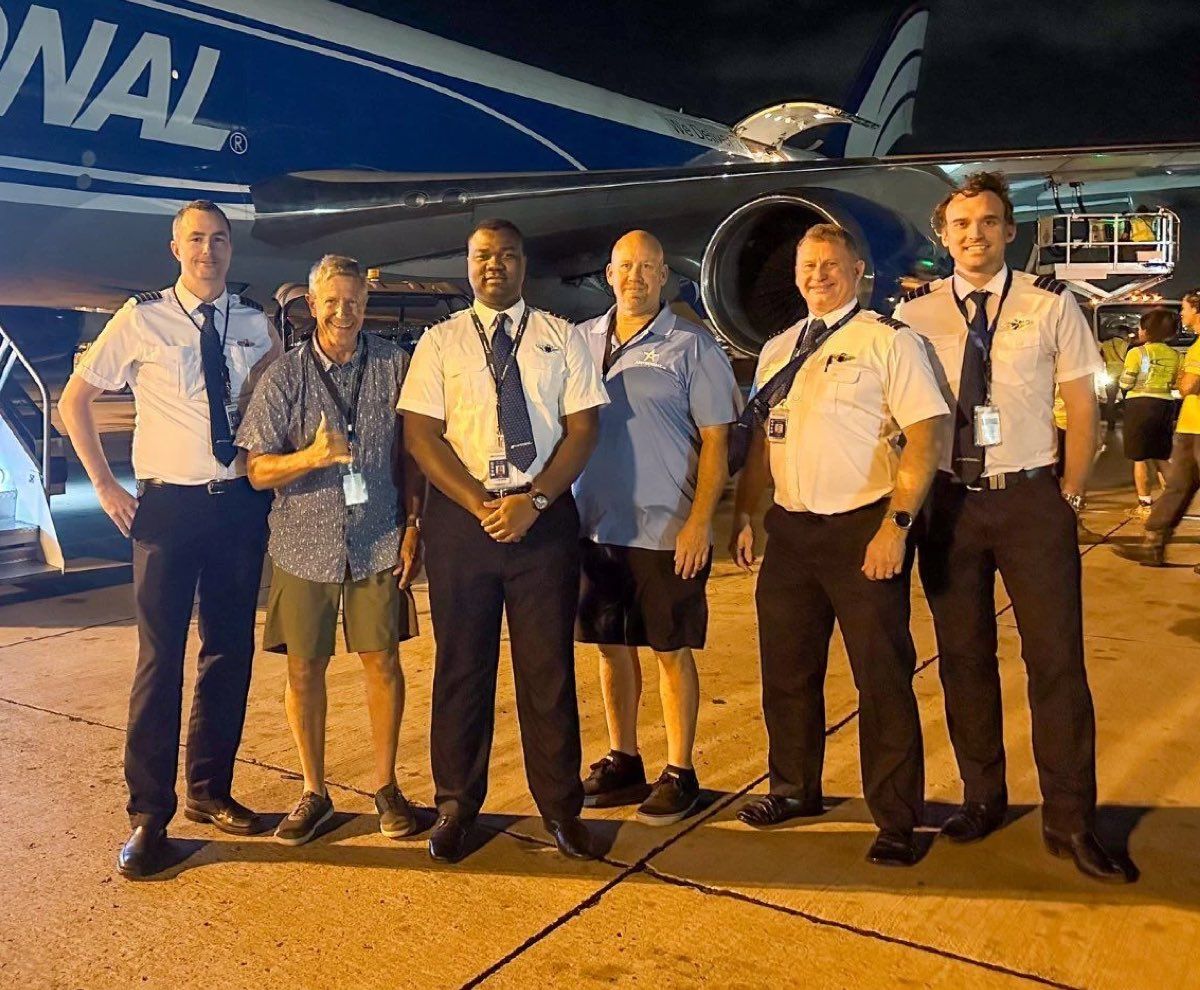
The expediting team at the airport

“True to word. They did exactly what they said they would do.”

Dan · Trustpilot
WhoWe Are

Honest With You, Always

An urgent shipment is stressful enough without wondering if you have the full story. You get the full quote before you commit and the timeline as it actually stands. If a flight is delayed or a truck runs late, you hear it from us first, together with the plan to recover.

  • All-in quotes before you commit
  • Real-time updates, including the bad news
  • We say so when a truck beats a charter

Logistics Definition Questions Answered

What does logistics mean in simple words?

In simple words, logistics means getting things where they need to be, when they need to be there, in good condition and at a sensible cost. It covers deciding how goods move, storing them until they are needed, keeping the right amount on hand and tracking everything along the way. A business that orders parts from a supplier, stores them in a warehouse and ships finished products to customers is doing logistics at every step. The same idea applies to events, the military and everyday plans. That is the logistics definition most businesses use day to day.

What is another word for logistics?

Common synonyms for logistics include coordination, organization, planning, management and arrangements. In business, people often use distribution, freight management, transportation management or supply chain operations, although supply chain management is broader. The related adjective is logistical, as in a logistical problem, and the adverb is logistically. In everyday speech, the arrangements or the practicalities often replace logistics, as in sorting out the practicalities of a trip. The best synonym depends on whether the context is freight, events or general planning.

Where does the word logistics come from?

The word logistics comes from the Greek logistikos, meaning skilled in calculating, from logos, meaning reason. It entered modern use through military science in the 19th century, when it described moving, supplying and housing troops. The French term logistique was used for the branch of military art that handled supplies and quarters. Businesses adopted the word in the 20th century, especially after World War II, to describe moving and storing goods. Today the business meaning is the most common one.

What are the types of logistics?

The most common types of logistics are inbound, outbound, reverse and third-party logistics. Inbound logistics brings materials and parts into a business, outbound logistics delivers finished goods to customers, reverse logistics handles returns, repairs and recycling, and third-party logistics is work done by an outside company. Some sources add production logistics, distribution logistics or procurement logistics, which is why lists of three, four or five types are all common. The underlying flows are the same; sources simply group them differently.

What is the difference between inbound, outbound and reverse logistics?

Inbound logistics covers goods coming into a business, such as raw materials, components and supplies arriving from vendors. Outbound logistics covers goods leaving the business, such as finished products shipped to retailers, distributors or end customers. Reverse logistics covers goods flowing backward, such as returns, warranty repairs, refurbishment and recycling. All three involve transport, storage and paperwork, but they serve different goals: keeping production supplied, meeting customer orders and recovering value from returned items. Urgent freight shows up in all three.

What is the difference between logistics and supply chain management?

Logistics is the part of the supply chain that moves and stores goods: transportation, warehousing, inventory and fulfillment. Supply chain management is broader and covers the whole path of a product, including sourcing raw materials, choosing suppliers, manufacturing, planning demand, selling and returns. In short, logistics is how goods physically get from one point to the next, while supply chain management coordinates every company and decision involved in making and delivering a product. Logistics sits inside the supply chain. A useful logistics definition therefore stays narrow, while supply chain management describes the full system from raw material to customer.

What does a logistics company do?

A logistics company helps businesses move, store or manage goods. Some own trucks, aircraft or warehouses and do the physical work. Others, such as freight brokers and third-party logistics providers, arrange the work with licensed carriers and manage it for the shipper. Services can include transportation by truck, air, rail or ocean, warehousing, inventory management, order fulfillment, customs paperwork and tracking. Some logistics companies specialize in one area, such as urgent air freight, temperature-controlled goods or oversized loads. When a business searches for a logistics definition, it is often really asking what kind of logistics company it needs.

What is a 3PL?

A 3PL, or third-party logistics provider, is an outside company that handles some or all of a business's logistics work. Common 3PL services include warehousing, order fulfillment, inventory management, transportation management and returns. Businesses use 3PLs to avoid running their own warehouses and fleets, to scale up quickly and to reach expertise they do not have in-house. A freight broker is related but narrower: it arranges transportation with carriers rather than running warehouses or fulfillment for the shipper. In any logistics definition, a 3PL counts as an outside partner rather than a type of freight movement.

What does logistics mean in the military?

In the military, logistics means planning and carrying out the movement, supply and maintenance of forces. It covers getting troops, food, fuel, ammunition, equipment and medical supplies where they are needed, and repairing or replacing equipment in the field. Military logistics is where the word began, and many business logistics ideas, such as supply lines, staging and forward stocks, came from it. Armies have long said that operations succeed or fail on logistics, because no unit can operate without supplies.

What does it mean when someone says the logistics of it?

When someone talks about the logistics of it, they mean the practical details needed to make a plan work. For a trip, that might be who drives, when to leave and where to stay. For a project, it could be who does what, what materials are needed and in what order things happen. The phrase borrows the business and military meaning of logistics and applies it to everyday arrangements. It usually signals that the idea is fine but the details still need sorting out.

What do people who work in logistics do?

People who work in logistics plan, coordinate and track the movement and storage of goods. Common roles include dispatchers, who assign drivers and vehicles; freight brokers and expediters, who arrange shipments with carriers; load planners, who decide how freight fits; warehouse managers; inventory analysts; and logistics coordinators. Useful skills include planning, problem solving, clear communication and staying calm under deadlines. Many people enter the field with degrees in supply chain management, logistics or business, while others learn on the job.

Get a quote

Urgent freight by air or ground, delivered on time

Share your pickup, delivery, pieces, weight and deadline. An expediter will book the right option and send you a quote.

5.0 from 1,600+ reviews on

Request a Quote

Step 1 of 3Origin and Destination Info

Todd was amazing to work with! We will use Air Freight again!

Ashley · Verified review on Trustpilot
CTA Hero Star Background
TOP