Skip to content
5.0 rated on Trustpilot

Global Logistics

Global logistics is the planning and movement of goods between countries, from a supplier's dock to a customer's door. When one leg of that chain runs late, AirFreight.com arranges air freight and air charter to win the time back.

What shippers get

Emergency Deliveries Handled

“Steve Janssen did a wonderful job getting me an emergency delivery.” — Richard

Next-Day Moves on Short Notice

“We had a customer that called a 3pm and needed a 1 ton pallet delivered from one of our venders the next day.” — John

Updates at Every Handoff

“Very responsive and got me on the schedule and kept me updated at every junction.” — Patrick

GLOBAL LOGISTICS SUPPORT

When the Supply Chain Runs Late, Air Wins the Time Back

Most global freight moves by ocean, and most of the time that works. Then a vessel misses its window, a customs hold drags on or a part never makes the container. Suddenly a plant or a customer is waiting on goods that are still weeks away.

That's where we come in. AirFreight.com handles the urgent legs of global logistics: the shortfall that has to fly, the delayed shipment that has to reach the plant and the final domestic leg that has to beat the clock. We book scheduled flights, next flight out and air charter, and one expeditor follows the freight from pickup to delivery.

The fix depends on where the freight is stuck. Parts still at the origin plant can fly before the container sails. Freight held at a port may need a fast truck once it clears customs. We look at the whole chain, then pick the one leg that saves the most time.

Knowing how freight crosses borders makes it easier to spot the leg that needs help. Here is how the whole chain fits together.

AIR FREIGHT Icon of a plane flying over boxes

Next Flight Out and Scheduled Air

When part of a shipment can't wait for the ocean leg, it flies. We book the first flight with space or a planned flight that meets your date. Trucks handle pickup and delivery at both ends. Splitting the urgent pieces from the main shipment keeps the line running while the rest travels by sea.

Learn More about Air freight
AIR CHARTER Icon of a charter aircraft

Charter for Critical Shortfalls

When a line is down or a project is stalled, a chartered aircraft flies the missing freight direct. It departs when the cargo is ready and lands at the airport closest to the site. We handle the trucks and ground handling at both ends, so the charter connects cleanly to the rest of the chain.

Learn More about Air charter
URGENT TRUCKING Icon of a truck

Expedited Final Leg

Once freight clears customs at a US port or border crossing, a dedicated truck takes it straight to the dock. There are no terminal stops on the way. It is often the fastest way to finish a delayed move. Your expeditor tracks the clearance and dispatches the truck as soon as the freight is released.

Learn More about Urgent trucking
For sale This domain is available

globallogistics.com

Globallogistics.com is the exact-match .com for “global logistics”, a search with about 3,600 queries a month. It points to AirFreight.com today and transfers through GoDaddy.

Exact match keyword
global logistics
Searches / mo
3,600
CPC
$10.74

Buy it now for

$1,000,000

Listed on
GoDaddy
Domain
globallogistics.com
View listing
aircraft-cargo
In short

Logistics moves the supply chain

Supply chain management decides what to make and stock; logistics moves it.

Global logistics Definition

What global logistics actually covers

Global logistics is the planning and movement of goods between countries, along with the documents and information that travel with them. It is the movement layer of the supply chain, which also covers sourcing, production and inventory decisions.

Many parties share the work. The shipper and the consignee sit at either end. Carriers fly, sail or drive the freight. Forwarders book space and coordinate the international legs. Customs brokers file entries with the government. A 3PL may manage some or all of this for a shipper, and a 4PL manages the providers themselves.

Each handoff between these parties is a point where freight can wait. AirFreight.com steps in where those waits put a deadline at risk.

Globe with connection lines
Where time is saved

The last leg recovers time

When the deadline is close, the final leg moves to the next flight out or a charter.

Shipment flow How it moves

How an international shipment moves

When cost counts but the deadline is fixed, most international shipments pair an ocean or air main leg with truck legs at each end. A typical move starts with a truck collecting the freight at the supplier and taking it to a port or airport.

There the shipment clears export controls and is loaded on a vessel or aircraft. The main leg crosses the ocean or flies to a gateway airport, often through a hub. On arrival, a customs broker files the entry, and the goods wait for release.

The final domestic leg then carries the freight to its destination by truck or by air. That last leg is also the best place to recover lost time. AirFreight.com puts it on the next flight out or an air charter when the deadline is close. Every shipment we arrange is monitored from pickup to drop-off.

Freight by the numbers

Global freight by the numbers

Air carries a large share of world trade value, while trucks carry most US freight value. These figures show why the mode you choose shapes cost, speed and risk.

US trade with Canada and Mexico

$1.6 trillionin 2025

Mexico $872.8 billion
Canada $712.8 billion

Source: Bureau of Transportation Statistics, TransBorder Freight Data Annual Report 2025, 2025

US freight value by mode

73%by truck

Truck 73%
Pipeline 6%
Rail 3%
Air 3%

Source: Bureau of Transportation Statistics, Transportation Statistics Annual Report 2025 (Table 13), 2024

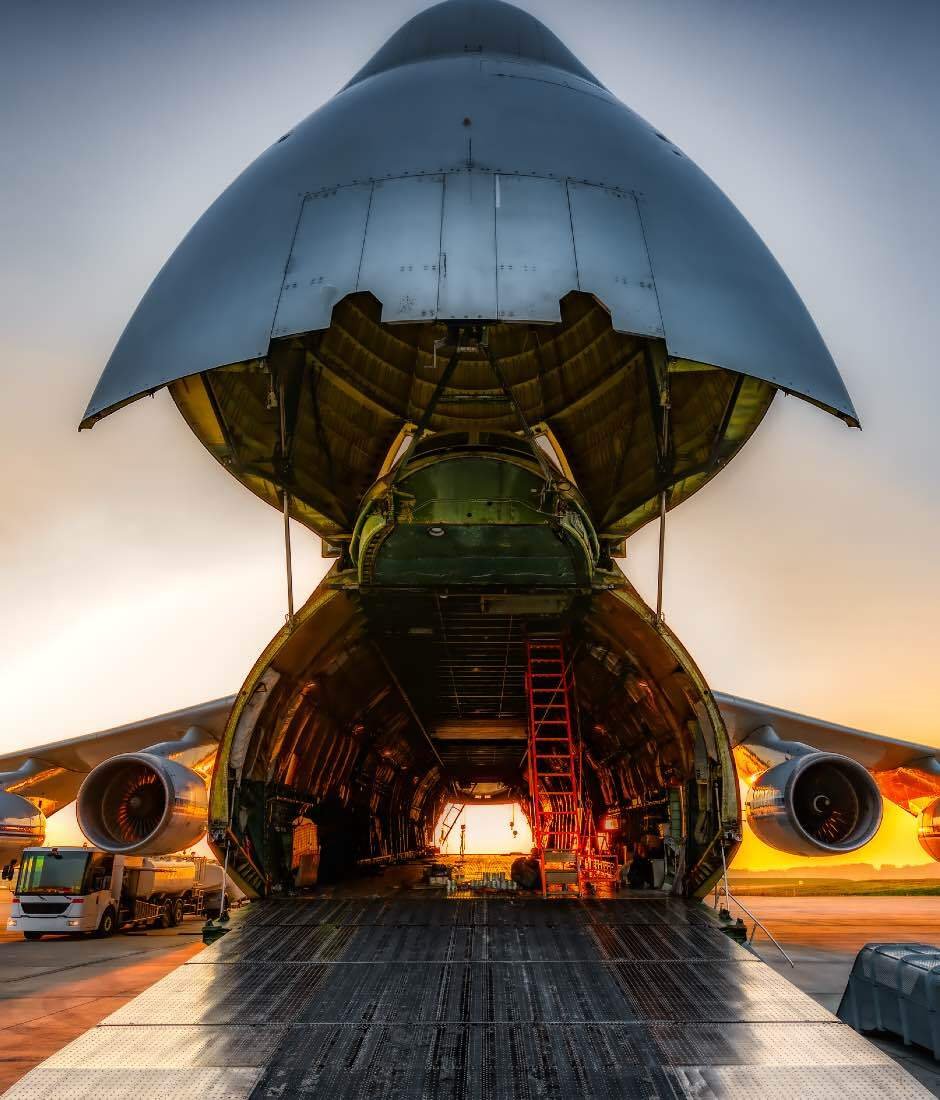
Cargo freighter aircraft
Rule of thumb

Speed and cost trade places

Ocean moves the most for the least, while air moves the urgent and the valuable.

Freight modes Choosing the mode

Air, ocean, truck or rail: choosing the mode

A large container ship carries thousands of containers on one voyage, far more than any aircraft but at a fraction of the speed. Ocean freight is the choice for volume and the lowest cost per unit. Air freight suits high-value, time-sensitive goods, such as electronics, medical supplies and replacement parts.

Truck and rail carry much of the freight between the US, Canada and Mexico. They also handle the domestic legs at either end of an ocean or air move. Rail suits heavy, steady volumes, while a truck can reach any dock.

In every mode, the cost depends on distance, weight and volume, speed and special handling. AirFreight.com matches a scheduled flight, next flight out or a charter to your freight and your deadline.

Freight modes compared

Ocean, air, truck or rail compared

Each mode wins on a different measure. Read across to see where each fits; AirFreight.com arranges the air freight and air charter legs when speed decides.

Ocean freight Container ships Air Freight Scheduled and charter flights Truckload Dedicated trucks Rail Intermodal trains
Best for high volume Yes: Largest volumes per voyage Sometimes: Limited by aircraft space Sometimes: One trailer per truck Yes: Heavy, steady volumes
Fastest door to door No: Weeks with port time Yes: Days or hours Sometimes: Fast within North America No: Slower than a truck
Suits high-value goods Sometimes: Economical but slow Yes: Speed and tight custody Yes: Direct, dedicated handling Sometimes: Mostly durable goods
Crosses oceans Yes: Main intercontinental mode Yes: Fast intercontinental option No: Land only No: Land only
Cross-border North America No: Coastal routes only Yes: Flights to Canada and Mexico Yes: Carries much cross-border trade Yes: Major cross-border corridors
Lowest cost per unit Yes: Lowest per unit shipped No: Highest per unit shipped Sometimes: Middle of the range Yes: Low for bulk freight
Best when Volume matters more than time The deadline matters most Freight moves within North America Heavy freight moves on a schedule

Ocean freight

Container ships
Best for high volume
Yes: Largest volumes per voyage
Fastest door to door
No: Weeks with port time
Suits high-value goods
Sometimes: Economical but slow
Crosses oceans
Yes: Main intercontinental mode
Cross-border North America
No: Coastal routes only
Lowest cost per unit
Yes: Lowest per unit shipped
Best when
Volume matters more than time

Air Freight

Scheduled and charter flights
Best for high volume
Sometimes: Limited by aircraft space
Fastest door to door
Yes: Days or hours
Suits high-value goods
Yes: Speed and tight custody
Crosses oceans
Yes: Fast intercontinental option
Cross-border North America
Yes: Flights to Canada and Mexico
Lowest cost per unit
No: Highest per unit shipped
Best when
The deadline matters most

Truckload

Dedicated trucks
Best for high volume
Sometimes: One trailer per truck
Fastest door to door
Sometimes: Fast within North America
Suits high-value goods
Yes: Direct, dedicated handling
Crosses oceans
No: Land only
Cross-border North America
Yes: Carries much cross-border trade
Lowest cost per unit
Sometimes: Middle of the range
Best when
Freight moves within North America

Rail

Intermodal trains
Best for high volume
Yes: Heavy, steady volumes
Fastest door to door
No: Slower than a truck
Suits high-value goods
Sometimes: Mostly durable goods
Crosses oceans
No: Land only
Cross-border North America
Yes: Major cross-border corridors
Lowest cost per unit
Yes: Low for bulk freight
Best when
Heavy freight moves on a schedule

Summarised for general international and North American freight; performance varies by lane.

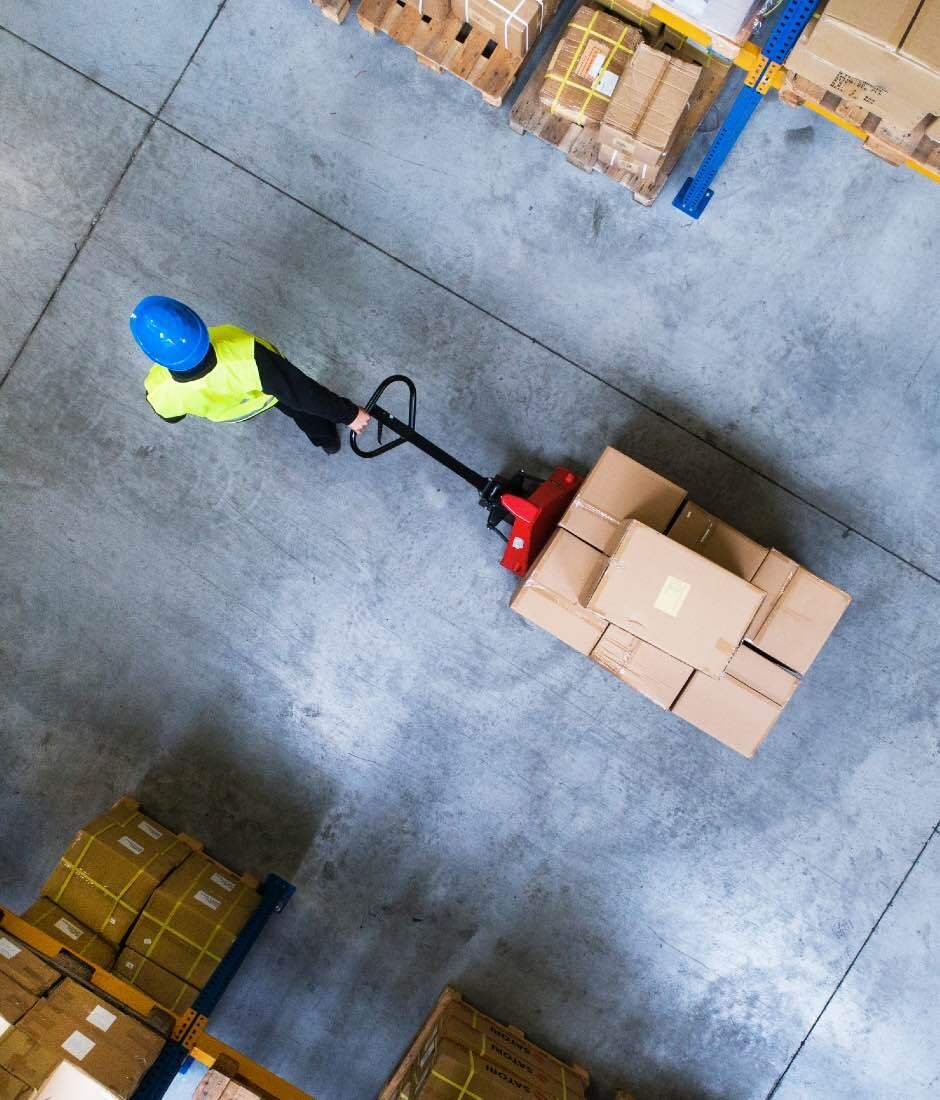
worker-factory-box
Why it matters

Recover time on the last leg

Time lost at sea can often be won back with a flight for the final leg.

Disruptions Where they break

Where global supply chains break

Ocean carriers and airlines usually adjust routes and schedules when a disruption hits, including rerouting around conflict zones and canceling sailings. This means a shipper's freight can arrive later than planned, even when every document is right.

The common breaks are congestion at ports and airports, weather, conflict and rerouting, swings in capacity, customs holds and sudden changes in trade policy. Shippers protect themselves with buffer stock, visibility into each leg and a backup routing for urgent goods.

When the delay is overseas, the final domestic leg is where time can still be won back. Our dispatch team is available around the clock, including weekends and holidays, so you can book an urgent leg at any hour. AirFreight.com arranges the flight or an air charter to get your freight to the dock as fast as the deadline needs.

5.0 from 1,600+ reviews on

Shipment running late? Get an air freight quote.

Tell us where the freight is and where it needs to be. An expeditor checks scheduled flights, next flight out and charter options and keeps you updated until delivery.

  • We were very satisficed with the service Air Freight provided. We needed material moved from Mississippi to Louisiana. The material was picked up in about 3 hours and delivered the next morning in a very satisfactory amount of time.

    Stephen
  • Air Freight has always been a pleasure work with! Kevin is very responses and if something changes he is always on top of it.

    Colton

Request a Quote

Step 1 of 3Origin and Destination Info

Watch on YouTube
How investors see transportation
Episode 2 Jun 22, 2026 24 min

Inside Private Equity's Perspective on the Transportation Industry with Daniel Perry

In this episode, Kevin Carpenter hosts Daniel Perry, a private equity expert from Court Square Capital Partners, to explore how investors evaluate transportation companies for scalability and growth. We delve into what makes a transportation business attractive to private equity, the role of sales and marketing, and how AI is transforming sales processes in logistics.

Freight News
Ocean freight · Rerouting

Container ships return to Suez as Red Sea traffic recovers

Container traffic through the Suez Canal is climbing back, which will reshape ocean schedules between Asia, Europe and the US.

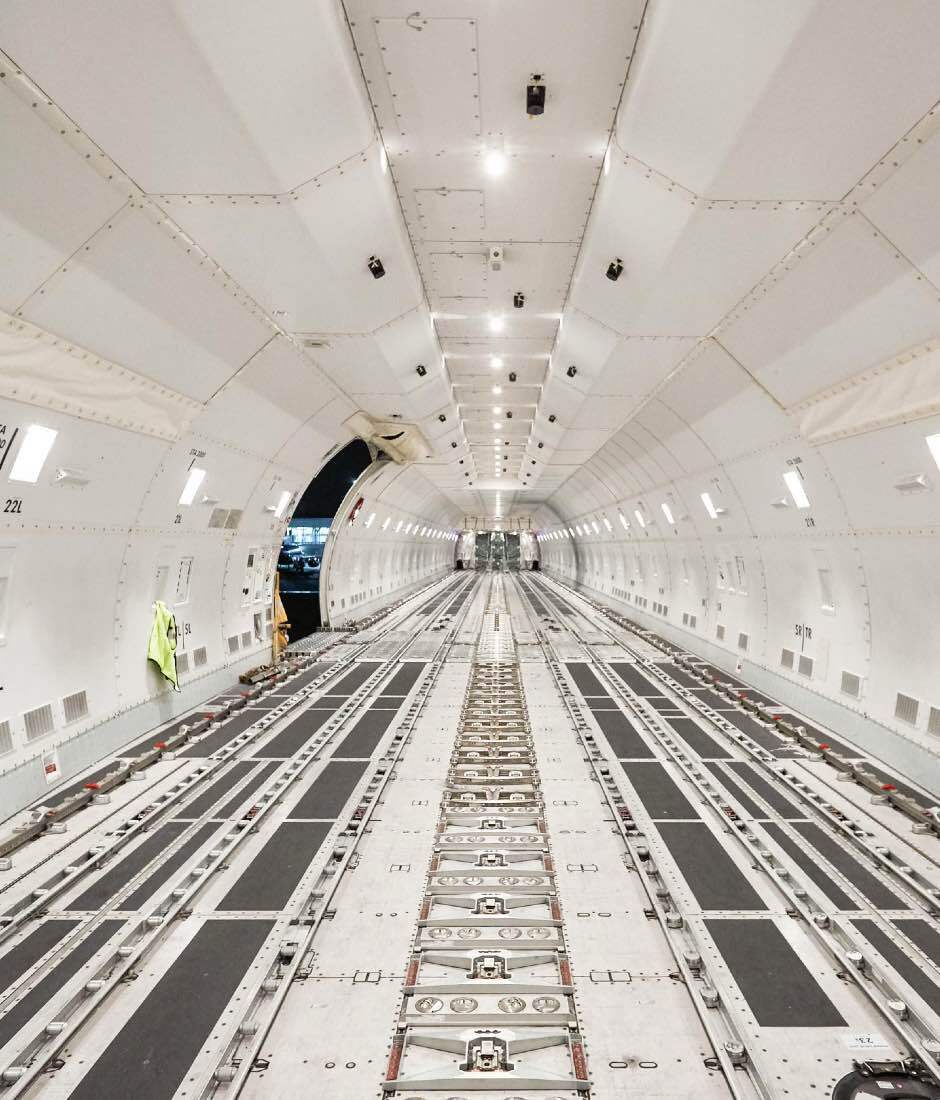
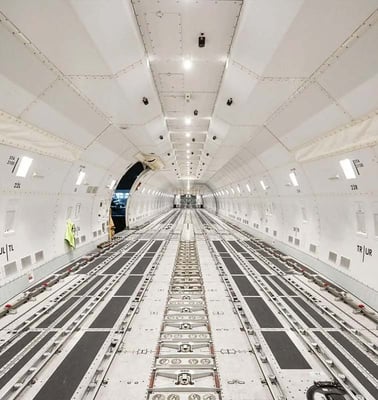
Freight loaded in an aircraft cargo hold
At a glance · October 2026
753,000 TEU
weekly Suez container capacity, early October
1.45M TEU
same weeks in 2023

Suez traffic is recovering

According to Riviera Maritime Media, weekly container capacity through the Suez Canal averaged 753,000 TEU in early October, against 1.45M TEU in the same weeks of 2023.

Source: Riviera Maritime Media, October 15, 2026

this is the first time that transits have exceeded 50% of pre-disruption levels
Chief shipping analyst, International shipping association

Carriers are switching back

Changes affecting 16 services have been announced since early July as carriers move away from the long route around Africa. Analysts see a full return by early 2027.

What it means for you

Ocean schedules and transit times will shift again as routings change. AirFreight.com can arrange a flight or a charter when an ocean delay leaves an urgent shipment short.

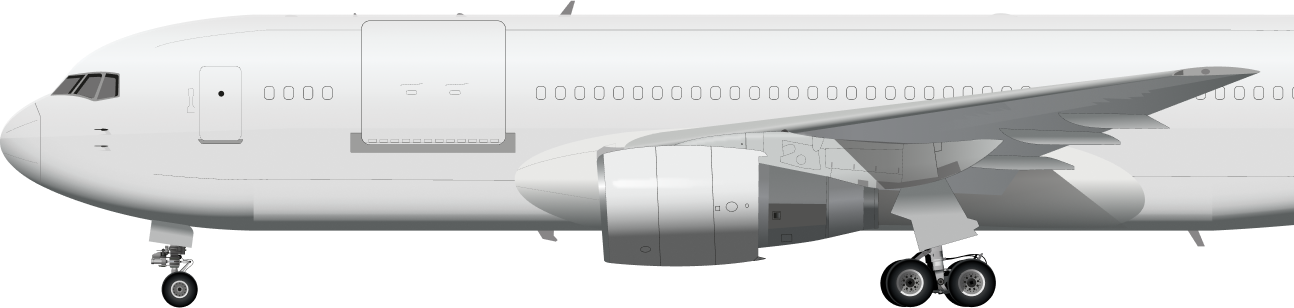
Boeing 767-200F aircraft

AIR CHARTER AIRCRAFT

Reliable, on-demand aircraft charter solutions—customized to move your freight faster, safer, and smarter.

View Charter Options
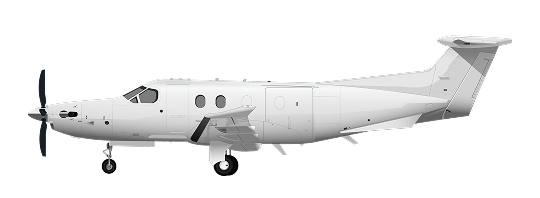
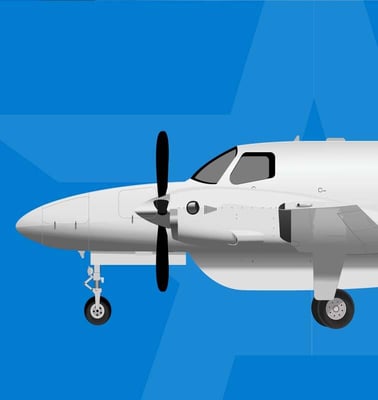
PILATUS PC 12

PILATUS PC-12

A small, single-engine aircraft with a large aft cargo door, designed for short- to medium-range travel. The PC-12 operates from small airfields and is known for safety and reliability.

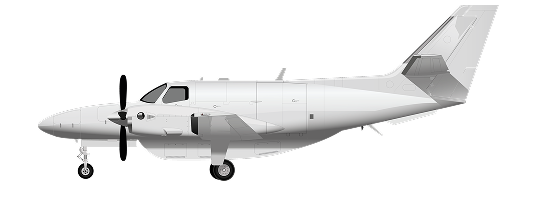
CESSNA 406 CARAVAN II

CESSNA 406 CARAVAN II

A small, twin-engined turboprop aircraft for short- to medium-range deliveries. Capacity is limited, but its size and versatility allow it to use airports close to where its cargo is produced and needed.

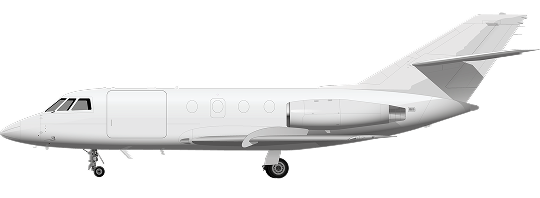
DASSAULT FALCON 20

DASSAULT FALCON 20

The perfect aircraft for delivering vital parts or materials quickly, this famously efficient private jet accommodates five pallets and has a range of nearly 3,000 miles.

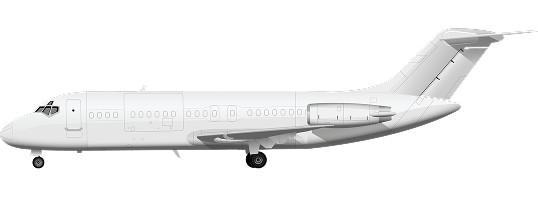
DOUGLAS DC 9 15F

MCDONNELL DOUGLAS DC-9 15F

A smaller, twin-engined jet built for short- to medium-range transportation. Cargo capacity is a little over 10 tons, but the ability to use shorter runways increases the versatility of this aircraft.

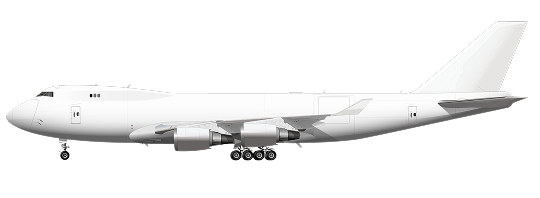
747 400F

BOEING 747-400F

Built for efficient delivery of huge loads to any corner of the globe. The wide-body design, with an opening nose, large side door, and cargo handling system, simplifies loading and unloading.

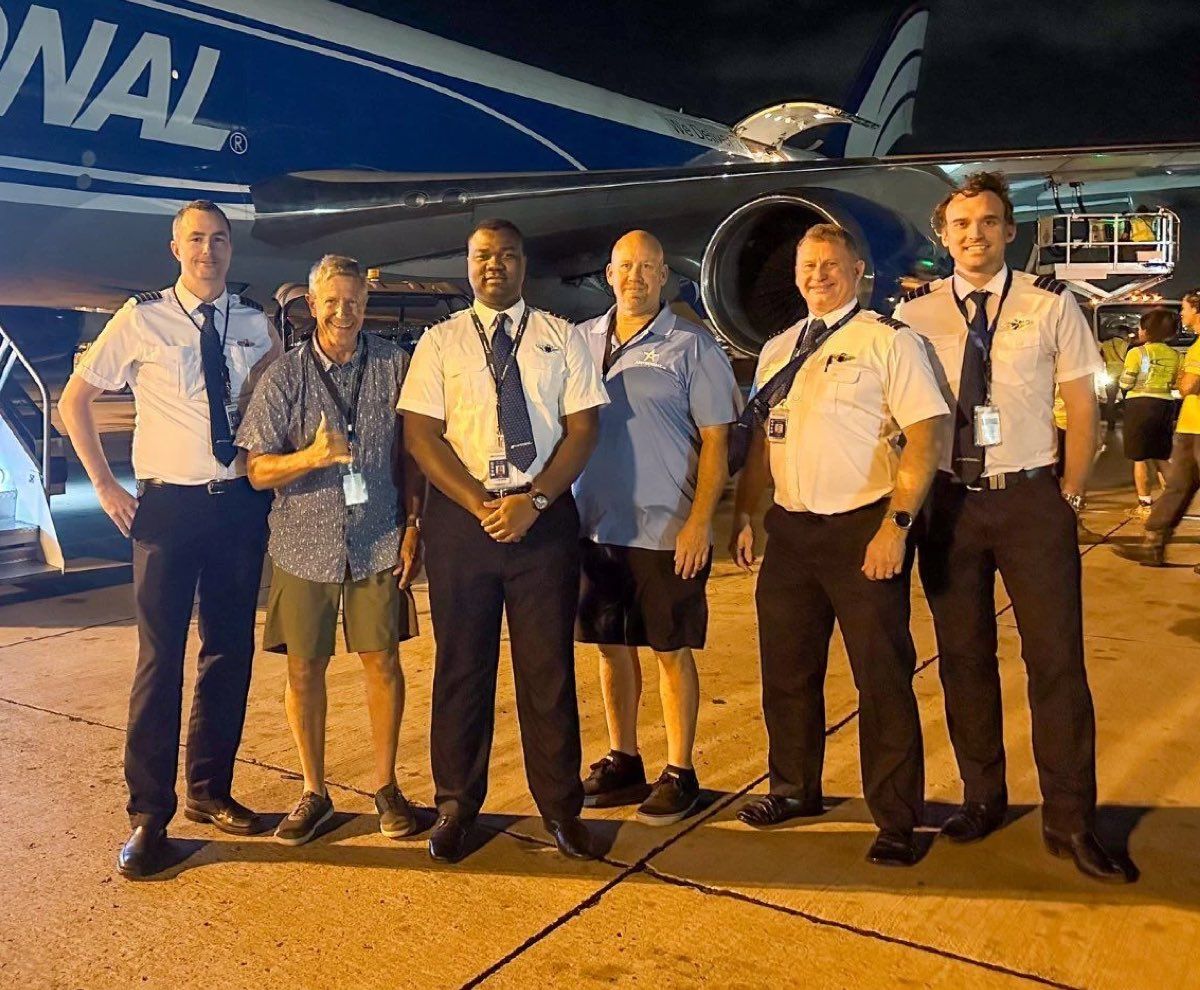
The expediting team at the airport

“I had a single point of contact assigned to our shipment that was fantastic on keeping me updated every step of the way.”

Pamela · Trustpilot
HowWe Work

One Person, Start to Finish

When you call AirFreight.com, a real person answers right away. That same expeditor quotes your shipment, books the flights and the trucks at each end and owns it through every border and handoff. If a connection changes or freight clears customs late, the person who knows your shipment is the one who calls you. You never start over with a new desk.

  • One expeditor across every leg and border
  • Updates at pickup, wheels-up, wheels-down and delivery
  • The same person on your next shipment
Expeditor Kevin

“I called up at 7:30 pm... one that was secured cancelled at the end of the day. Todd quoted three shipments on the spot... The last shipment was picked up at Midnight.”

Susan · Trustpilot
WhatWe Provide

The Right Mode, Every Time

Global logistics is a chain of choices, and each link should be the one that fits. We arrange scheduled flights, next flight out, hand carry and chartered aircraft, plus trucks from sprinter vans to hot shots for the legs to and from the airport. We match each leg to the option it needs, so you never pay for capacity you will not use.

  • Air, hand carry and charter on the long legs
  • Trucks matched to each pickup and delivery
  • Every option priced against your deadline
Expeditor Andy

“True to word. They did exactly what they said they would do.”

Dan · Trustpilot
WhoWe Are

Honest With You, Always

Moving freight across borders is stressful enough without wondering whether you have the full story. You see the price before you commit and the timeline as it actually stands, including the time customs can add. If something goes wrong on any leg, you hear it from us first, with the plan to recover.

  • All-in quotes with no surprise surcharges
  • Customs and connection timing stated up front
  • Bad news delivered early, with a plan

Global Logistics Questions Answered

What is global logistics?

Global logistics is the work of moving goods across borders: planning routes, booking carriers, preparing documents, clearing customs, storing inventory and delivering to the final customer. It covers inbound flows, such as parts imported for a factory, and outbound flows, such as finished goods exported to buyers overseas. Most international shipments combine several modes, typically an ocean or air main leg with truck legs at each end, and several parties, including carriers, forwarders, customs brokers and warehouse operators. The goal is to deliver the right goods to the right place on time at a sensible cost, while staying inside each country's trade and customs rules. Good global logistics also keeps information flowing, so every party knows where the freight is.

How is global logistics different from supply chain management?

Supply chain management is the broader discipline. It covers decisions about what to buy, where to make it, how much inventory to hold and which suppliers to use, as well as how goods move. Logistics is the part that handles the physical flow and storage of goods and the information that goes with them, including transportation, warehousing, documentation and delivery. A supply chain plan might decide to source a component from overseas and hold extra stock. Logistics turns that decision into booked freight, cleared customs and goods on a dock. In practice the two overlap, and many companies use the terms loosely, but logistics is the execution layer of the supply chain.

What is the difference between a 3PL and a 4PL?

A third-party logistics provider, or 3PL, performs logistics work for a company, such as warehousing, transportation management, freight brokerage, order fulfillment or returns. The shipper still sets the strategy and often uses several 3PLs. A fourth-party logistics provider, or 4PL, sits one level higher. It manages the logistics function as a whole, designs the network, selects and oversees the 3PLs and carriers, and measures their performance, usually under a long-term contract. A 4PL often owns no warehouses or trucks. Smaller and mid-sized shippers usually work with one or more 3PLs directly, while large manufacturers and retailers with complex, multi-country supply chains are the typical users of a 4PL.

What is a bill of lading?

A bill of lading is the document a carrier issues when it receives goods for shipment, most often for ocean or truck freight. It serves three purposes. It is a receipt for the cargo, evidence of the contract of carriage and, in its negotiable form, a document of title that can be transferred to pass ownership of the goods. It lists the shipper, the consignee, the notify party, a description of the goods with piece count and weight and, for ocean freight, the vessel and the ports of loading and discharge. Banks often require an original bill of lading before releasing payment under a letter of credit, so errors on it can delay both the cargo and the payment.

What is an air waybill?

An air waybill is the transport document for air freight. Like a bill of lading, it is a receipt for the goods and evidence of the contract between the shipper and the airline. Unlike an ocean bill of lading, it is not negotiable, so it is not a document of title and cannot be used to transfer ownership while the goods are in transit. Each air waybill carries a unique number that identifies the airline and is used to track the shipment. A master air waybill covers a consolidated shipment from the airline's point of view, while a house air waybill is issued by a forwarder to each individual shipper within that consolidation.

What is a notify party on a bill of lading?

The notify party is the person or company the carrier contacts when a shipment arrives at its destination port or airport. It is often the buyer, the buyer's customs broker or a freight forwarder, and it may differ from the consignee, who is entitled to receive the goods. The notify party's job is practical. Once alerted, it arranges customs clearance, settles any charges due and books the pickup or delivery. Listing the right notify party with a working contact matters, because freight that arrives with nobody alerted can sit at the terminal and start to build up storage costs. Many importers name their customs broker so that clearance can start as soon as the goods land.

What do FOB terms mean?

FOB, or free on board, is one of the Incoterms rules published by the International Chamber of Commerce. These rules set out who pays for what and where risk passes from seller to buyer. Under FOB, the seller delivers the goods on board the vessel at the named port of shipment and covers costs up to that point. Risk passes to the buyer once the goods are on board, and the buyer pays for the main ocean freight, insurance and everything after. FOB is meant for sea and inland waterway freight, so for air or containerized shipments, rules such as FCA are usually a better fit. In US domestic shipping, FOB is also used more loosely to show who pays the freight and who owns the goods in transit.

How does a customs broker differ from a freight forwarder?

A customs broker is licensed to clear goods through customs on behalf of an importer. In the United States, brokers are licensed by U.S. Customs and Border Protection. They classify goods under the tariff schedule, calculate duties, file the entry and answer customs questions. A freight forwarder arranges the movement of goods. It books space with ocean carriers or airlines, consolidates shipments, prepares transport documents and coordinates the legs between origin and destination. Ocean forwarders serving US trade are licensed by the Federal Maritime Commission. Many companies offer both services under one roof, but they are separate roles with separate licenses and responsibilities.

What is the difference between FCL and LCL ocean freight?

FCL, or full container load, means a shipper books an entire container, usually a 20-foot or 40-foot unit, and fills it with its own goods. The container is sealed at origin and opened only at destination, which reduces handling and the risk of damage. LCL, or less than container load, means a shipper's goods share a container with cargo from other shippers. A consolidator combines the shipments at a warehouse near the origin port and separates them again at destination. LCL suits smaller volumes, but the extra handling at each end adds time, so it usually takes longer than FCL on the same route.

How can a shipper check whether a logistics company is legitimate?

Start by confirming what kind of company it is and checking the registrations that apply. In the United States, freight brokers and motor carriers must hold operating authority from the Federal Motor Carrier Safety Administration, which anyone can look up by USDOT or MC number. Ocean freight forwarders and non-vessel operating common carriers are licensed by the Federal Maritime Commission, and customs brokers by U.S. Customs and Border Protection. Ask for a certificate of insurance and check complaint history and reviews. Because many unrelated firms use similar names, such as Global Logistics, confirm that the address, phone number and registration numbers match the company you intend to hire.

Get a quote

Put the urgent leg on the next flight out

Send the pickup, delivery and deadline. An expeditor compares scheduled flights, next flight out and charter options and sends a door-to-door quote.

5.0 from 1,600+ reviews on

Request a Quote

Step 1 of 3Origin and Destination Info

Todd was amazing to work with! We will use Air Freight again!

Ashley · Verified review on Trustpilot
CTA Hero Star Background
TOP