Skip to content

Dangerous Goods Air Cargo

Batteries, paints, aerosols, chemicals and dry ice can all count as dangerous goods air cargo. They can fly when they are identified, declared and prepared the right way. AirFreight.com confirms the details with you first, then arranges the flight and trucks.

What shippers get

Recommended in a Heartbeat

“Would recommend Air Freight to anyone in a heart beat.” — Richard

The Absolute Best Team

“Todd and his group at Air Freight are the absolute best!” — Svb

Air Freight Scheduled in Hours

“Todd Anderson scheduled an air freight shipment for us in just a few hours.” — Pete

SERVICES OVERVIEW

Get Your Shipments Delivered Safely, Wherever You Are

Shipping within tight time constraints? We put businesses at ease with urgent shipping solutions, including air charter, air freight, and hand carry options, available nationwide. And when air delivery services aren't the right solution, we also offer urgent trucking solutions for seamless ground transport. 

Our understanding of global trade, global cargo routes, and air cargo schedules allows us to tailor each delivery to meet your needs. We're available 24 hours a day, 7 days a week, year-round to support you when you need it most. We dispatch a vehicle sized to your freight to pick up your delivery as quickly as possible.

You'll work one-on-one with a single point of contact who will guide you through the shipping process from door to door. No matter the complexity of your shipment, we're here to provide personalized guidance. Explore our custom shipping solutions to choose the right option for you.

AIR CHARTER Icon of a plane flying over boxes

Ultra-Critical Shipments

Move your cargo across the country, whether from a metro area or a remote location. We'll help you meet ultra-critical delivery deadlines with the right aircraft. Enjoy concierge-level customer service and complete shipment flexibility to get your delivery to its final destination with ease.

Learn More about Air charter
AIR FREIGHT Icon of boxes on a hand truck

Same Day and Next Day Solutions

Meet your dependable air freight broker for custom air freight solutions. We offer routine assistance and utilize high-tech tracking systems to ensure every shipment arrives on schedule. Choose from next flight out (NFO), overnight, or economy (general freight), depending on your individual requirements.

HAND CARRY EF Icon

Secure Hand Carry Services

When you have a highly sensitive or critical shipment, our hand carry service provides security and speed. This service is not typically available for larger freight, but it's ideal for time-sensitive or high-value items. It's also the perfect solution for rescuing a delayed shipment, ensuring it gets back on track and into the right hands as quickly as possible.

Learn More about Hand carry
URGENT TRUCKING Icon of a truck

Urgent Trucking

When air delivery isn't the right fit for your shipment, our urgent trucking solutions might be the answer. We support your urgent ground shipping needs with expedited trucking options. Choose from sprinter vans, cargo vans, and trucks of all sizes, including tractor-trailers, to get your items where they need to be—fast.

Learn More about Urgent trucking

What can fly

General cargo, dangerous goods or forbidden items

Dangerous goods air cargo sits between general cargo and items that cannot fly at all. Read across to see how each is handled in general terms.

General cargo Most freight Dangerous goods Declared and prepared Forbidden by air Cannot fly
Can fly Yes: Standard booking Yes: When prepared correctly No: Not by air
Declaration needed No: Air waybill only Yes: Signed by the shipper Not applicable
Special packaging No: Sound packing Yes: Approved packaging Not applicable
Hazard labels and marks No: Address labels Yes: Class labels Not applicable
May need a cargo aircraft No: Any suitable flight Sometimes: Some items Not applicable
Best plan Book as usual Share details early Ship another way

General cargo

Most freight
Can fly
Yes: Standard booking
Declaration needed
No: Air waybill only
Special packaging
No: Sound packing
Hazard labels and marks
No: Address labels
May need a cargo aircraft
No: Any suitable flight
Best plan
Book as usual

Dangerous goods

Declared and prepared
Can fly
Yes: When prepared correctly
Declaration needed
Yes: Signed by the shipper
Special packaging
Yes: Approved packaging
Hazard labels and marks
Yes: Class labels
May need a cargo aircraft
Sometimes: Some items
Best plan
Share details early

Forbidden by air

Cannot fly
Can fly
No: Not by air
Declaration needed
Not applicable
Special packaging
Not applicable
Hazard labels and marks
Not applicable
May need a cargo aircraft
Not applicable
Best plan
Ship another way

General guide; what can fly depends on the item, quantity and packaging.

Cargo freighter aircraft
In short

Risk in flight

Items safe on the ground can behave differently in the air.

Dangerous goods What they are

What dangerous goods are

Dangerous goods are items that can pose a risk to people, the aircraft or other cargo during a flight. In the United States they are often called hazardous materials, or hazmat. Changes in air pressure and temperature, vibration and the closed space of a cargo hold all mean that items safe on the ground can behave differently in the air.

That is why dangerous goods air cargo is handled differently from general cargo. Items are identified, packed, marked and declared so everyone who handles them knows what they are. International rules set out how this is done, and airlines follow them.

The rules for cargo are separate from what passengers may pack in their bags. This page is about shipping freight. AirFreight.com arranges air freight for shipments that are properly prepared and declared.

Expeditor Chris at the airport
The point

Nine classes, everyday items

Many common products fall into one of the nine.

Hazard classes The nine classes

The nine classes

Dangerous goods air cargo is grouped into nine classes by the type of risk. Class 1 is explosives, such as fireworks and some flares. Class 2 is gases, including aerosols, fire extinguishers and compressed gas cylinders. Class 3 is flammable liquids, such as paints, solvents, fuels and many perfumes. Class 4 is flammable solids, such as matches and some metal powders.

Class 5 is oxidizers and organic peroxides, such as some pool chemicals. Class 6 is toxic and infectious substances, including some pesticides and medical specimens. Class 7 is radioactive material. Class 8 is corrosives, such as acids, some cleaners and wet batteries. Class 9 is miscellaneous, which includes lithium batteries, dry ice and magnetized material.

Knowing the class is the first step, because it shapes how the item is packed, labeled and flown.

Aircraft engine
The rule

Check before you book

The safety data sheet shows if an item is regulated.

Surprise items Items that surprise

Items that surprise shippers

Many shippers are surprised by what counts as dangerous goods. Lithium batteries are the most common, whether packed on their own or inside laptops, tools, scanners and medical devices. They can overheat and are hard to put out if they catch fire, so they need care in packing and quantity.

Paints, adhesives, sealants, aerosols, perfumes and cleaning products often count too. Engines, generators and power tools can carry leftover fuel. Dry ice, used to keep medical and lab samples cold, releases gas as it warms, so the amount per package and per aircraft is limited. Even some magnets and spare parts with fluids can be regulated.

The simplest check is the safety data sheet, which lists the hazards of a product. Checking before booking avoids a refused shipment at the cargo counter. AirFreight.com asks about these items when you book, so dangerous goods air cargo is identified before it reaches the airport.
5.0 from 1,600+ reviews on

Shipping batteries, chemicals or dry ice? Get an air freight quote.

Share the item, its safety data sheet, both addresses and the deadline, and we will confirm the right option.

  • I have used Air Freight several times and each experience was superb! Steve is very quick to respond and always polite to work with.

    Elsie
  • Air freight did an amazing job and kept there word of when my shipment will be delivered in such short and quick notice. Thank you Air Freight!!

    Celeste

Request a Quote

Step 1 of 3Origin and Destination Info

Cargo charter aircraft
The upshot

Prepared freight is accepted

Matching paperwork and packages make the flight.

How they fly How they fly

How they fly

Dangerous goods air cargo follows an established practice from the shipper to the aircraft. The shipper identifies the item and its class, packs it in packaging suited to it, applies the hazard labels and marks, and completes a dangerous goods declaration describing what is inside. At the cargo counter, the airline checks the paperwork and the packages before accepting the freight.

Some items can fly on passenger and cargo flights. Others may only fly on cargo aircraft, where the crew can reach the hold, and their packages carry a cargo aircraft only label. A few items are too dangerous to fly at all and must move another way.

When everything matches, dangerous goods are accepted like any other freight. Most refusals come from missing labels, incomplete paperwork or items that were not declared. AirFreight.com reviews these details with the shipper before the freight goes to the airport.
Preparing the shipment

Preparing a dangerous goods shipment, step by step

Preparing dangerous goods air cargo usually follows six steps. AirFreight.com confirms the details with the shipper and arranges the flight and trucks once the freight is ready.

  1. 01

    Identify the item

    Check the safety data sheet to see whether the item is regulated and which hazards it has.

    • Safety data sheet
  2. 02

    Confirm the class

    Find the hazard class and how much of the item is in each package, which shape the rest of the steps.

    • Class
  3. 03

    Pack it correctly

    Pack the item in packaging suited to its class and quantity, so it stays secure through the flight.

    • Packaging
  4. 04

    Label and mark

    Apply the hazard labels and marks for the class, plus a cargo aircraft only label where it applies.

    • Labels
  5. 05

    Declare it

    Complete the dangerous goods declaration describing what is inside, signed by the shipper.

    • Declaration
  6. 06

    Book and tender

    Share the details when booking, so the flight and trucks are planned and the freight is accepted at the counter.

    • Booking
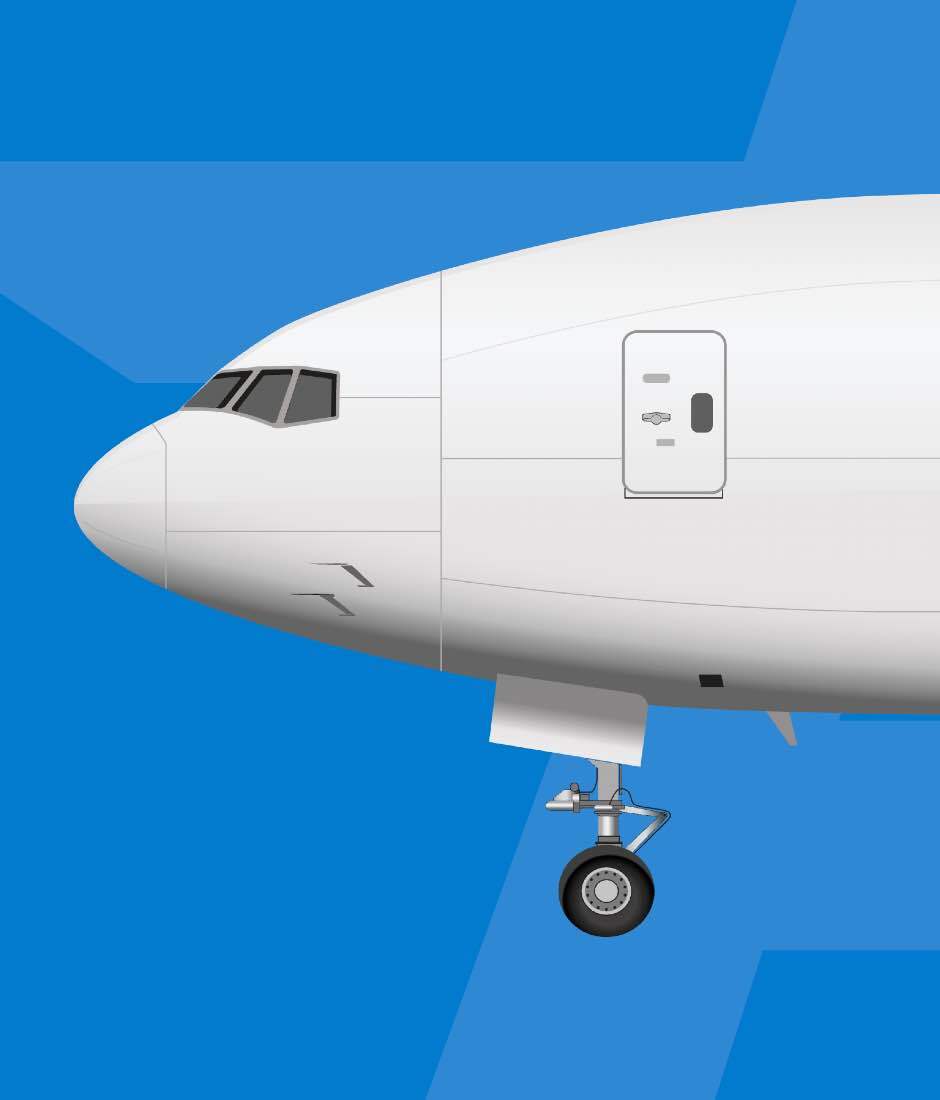
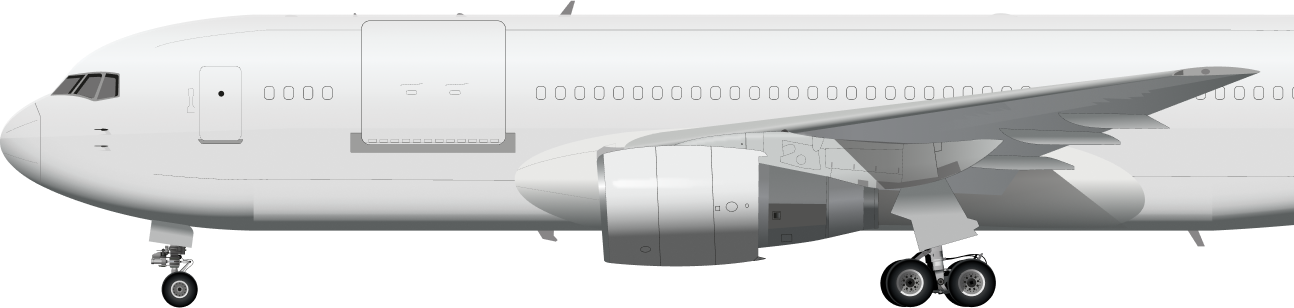
Boeing 767-200F aircraft

AIR CHARTER AIRCRAFT

Reliable, on-demand aircraft charter solutions—customized to move your freight faster, safer, and smarter.

View Charter Options
PILATUS PC 12

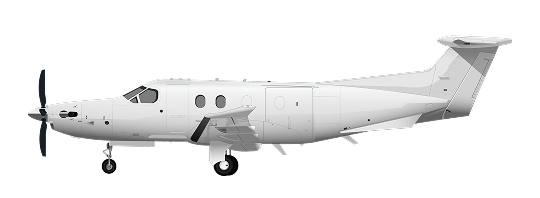
PILATUS PC-12

A small, single-engine aircraft with a large aft cargo door, designed for short- to medium-range travel. The PC-12 operates from small airfields and is known for safety and reliability.
CESSNA 406 CARAVAN II

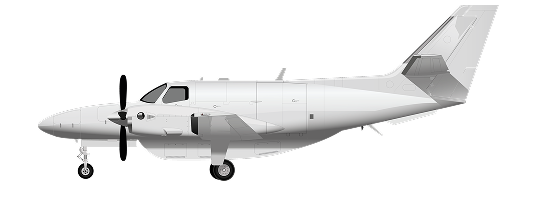
CESSNA 406 CARAVAN II

A small, twin-engined turboprop aircraft for short- to medium-range deliveries. Capacity is limited, but its size and versatility allow it to use airports close to where its cargo is produced and needed.
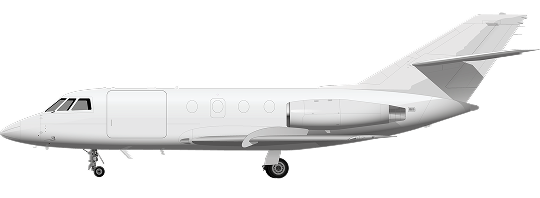
DASSAULT FALCON 20

DASSAULT FALCON 20

The perfect aircraft for delivering vital parts or materials quickly, this famously efficient private jet accommodates five pallets and has a range of nearly 3,000 miles.
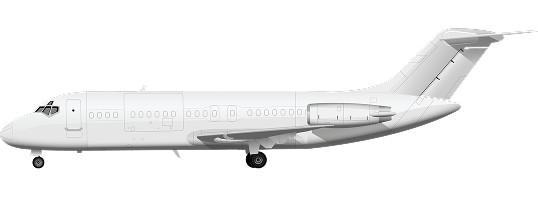
DOUGLAS DC 9 15F

MCDONNELL DOUGLAS DC-9 15F

A smaller, twin-engined jet built for short- to medium-range transportation. Cargo capacity is a little over 10 tons, but the ability to use shorter runways increases the versatility of this aircraft.
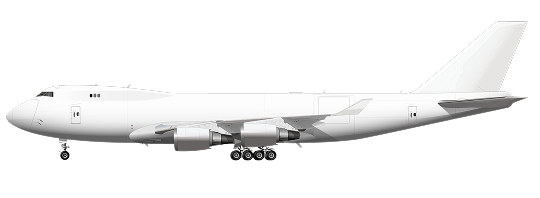
747 400F

BOEING 747-400F

Built for efficient delivery of huge loads to any corner of the globe. The wide-body design, with an opening nose, large side door, and cargo handling system, simplifies loading and unloading.

The expediting team at the airport
The upshot

Details first, then the flight

Share the safety data sheet when you book.

Industries Who ships it

Industries and booking

Many industries ship dangerous goods air cargo as part of normal work. Aerospace companies send parts that contain fluids, batteries or pressurized components. Hospitals, labs and life science companies ship samples and specimens on dry ice. Electronics and technology companies ship devices and spare batteries. Manufacturers ship paints, adhesives and chemicals, and energy companies ship equipment and parts that may hold fuel or gas.

Before booking, share what the item is, its safety data sheet, the quantity in each package, how it is packed, the number of pieces, the weight and dimensions, both addresses and the deadline. That lets the right flight be chosen, including a cargo aircraft where needed.

AirFreight.com uses those details to confirm the option and arrange the flight and trucks. Dangerous goods can fly on time when the details come first.

Working with us

How AirFreight.com handles dangerous goods air cargo

A shipment goes right when one person owns it, the option fits and the updates are honest.

Expeditor Kevin

“I had a single point of contact assigned to our shipment that was fantastic on keeping me updated every step of the way.”

Pamela · Trustpilot
HowWe Work

One Person, Start to Finish

When you call AirFreight.com, you reach a real person right away, and that same person owns your shipment from the first call to final delivery. You never have to explain it twice.

Your expeditor books it, follows it the whole way and is the person you call next time.

  • A direct number for your expeditor
  • Updates at pickup and delivery
  • The same person on your next shipment
Expeditor Andy

“I called up at 7:30 pm... one that was secured cancelled at the end of the day. Todd quoted three shipments on the spot... The last shipment was picked up at Midnight.”

Susan · Trustpilot
WhatWe Provide

The Right Mode, Every Time

Every shipment is different, and the right solution is the one that actually fits. We arrange next flight out, same day hand carry, air charter and expedited ground across North America.

We match the shipment to the option it needs, so you never pay for capacity or speed you do not use.
  • Each option weighed against your deadline
  • Details confirmed before booking
  • Flights and trucks on one plan
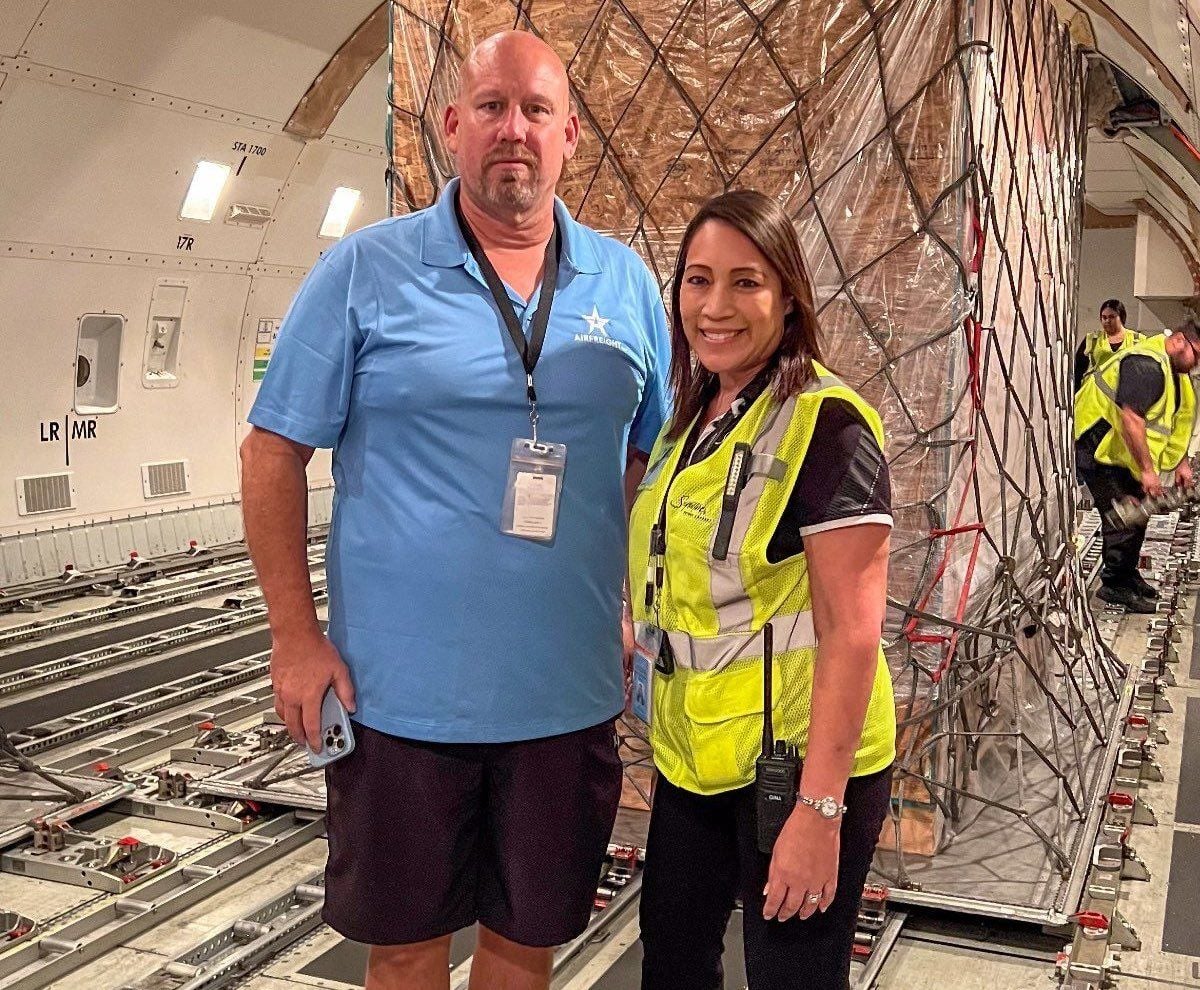
Expeditor Chris in an aircraft cargo hold

“True to word. They did exactly what they said they would do.”

Dan · Trustpilot
WhoWe Are

Honest With You, Always

Urgent freight is stressful enough without wondering whether you have the full story. We give you the price before you commit, the timeline as it actually stands, and if something goes wrong, you hear it from us first.

That includes telling you when an item should move another way.

  • Clear quotes before you commit
  • Real updates, including the bad news
  • We tell you when another way fits

Dangerous Goods Air Cargo Questions Answered

What are dangerous goods in air cargo?

Dangerous goods air cargo is freight that can pose a risk to people, the aircraft or other cargo during a flight, also called hazardous materials or hazmat. They include batteries, paints, aerosols, chemicals, fuels and dry ice. They can usually fly when they are identified, packed, labeled and declared the right way, while a small number of items cannot fly at all. Sharing complete details when booking helps avoid delays. A provider can confirm what is possible for a specific shipment. Asking these questions before booking avoids surprises later.

What are the 9 classes of dangerous goods?

The nine classes of dangerous goods are: Class 1 explosives, Class 2 gases, Class 3 flammable liquids, Class 4 flammable solids, Class 5 oxidizers and organic peroxides, Class 6 toxic and infectious substances, Class 7 radioactive material, Class 8 corrosives and Class 9 miscellaneous, which includes lithium batteries, dry ice and magnetized material. The class shapes how each item is packed, labeled and flown. A provider can confirm what is possible for a specific shipment. Asking these questions before booking avoids surprises later. Planning ahead makes the delivery go more smoothly.

What is considered dangerous goods when flying?

When shipping freight by air, dangerous goods include anything that could pose a risk in flight, such as lithium batteries, aerosols, paints, flammable liquids, compressed gases, corrosives, some chemicals and dry ice. The rules for cargo are separate from what passengers can pack in their bags, so the check for freight should always be based on the item and its safety data sheet. Asking these questions before booking avoids surprises later. Planning ahead makes the delivery go more smoothly. Sharing complete details when booking helps avoid delays.

What common items count as dangerous goods?

Common items that count as dangerous goods include lithium batteries and devices that contain them, paints, adhesives, sealants, aerosols, perfumes, cleaning products, fuels, engines and tools with leftover fuel, compressed gas cylinders and dry ice. Some magnets and parts containing fluids can also be regulated. The safety data sheet for a product is the easiest way to check. Planning ahead makes the delivery go more smoothly. Sharing complete details when booking helps avoid delays. A provider can confirm what is possible for a specific shipment.

Why are lithium batteries dangerous goods?

Lithium batteries are dangerous goods because they can overheat if damaged, defective or short-circuited, and a battery fire is hard to put out, which is a serious risk in an aircraft. That is why they need careful packing, protection from short circuits and limits on quantity. They are among the most common dangerous goods in air cargo, packed alone or inside equipment. Sharing complete details when booking helps avoid delays. A provider can confirm what is possible for a specific shipment. Asking these questions before booking avoids surprises later.

What does cargo aircraft only mean?

Cargo aircraft only means a dangerous goods package may fly on a freighter but not on a passenger flight. Some items, or larger quantities of them, are limited to cargo aircraft, where the crew can reach the cargo area. These packages carry a cargo aircraft only label, and the shipment has to be booked on a cargo flight, which can affect routing and timing. A provider can confirm what is possible for a specific shipment. Asking these questions before booking avoids surprises later. Planning ahead makes the delivery go more smoothly.

What is a dangerous goods declaration?

A dangerous goods declaration is the document the shipper completes and signs to describe dangerous goods in a shipment, including what the item is, its class, the quantity and how it is packed. The airline checks it against the packages and labels before accepting the freight. Missing or incomplete declarations are one of the most common reasons shipments are refused. Asking these questions before booking avoids surprises later. Planning ahead makes the delivery go more smoothly. Sharing complete details when booking helps avoid delays.

Can any dangerous goods not fly?

Yes, a small number of dangerous goods are too hazardous to fly at all, such as certain explosives and highly reactive substances. Others can fly only on cargo aircraft or only in limited quantities. When an item cannot fly, it has to move another way, such as by ground. Checking the item and its safety data sheet before booking shows which group it falls into. Planning ahead makes the delivery go more smoothly. Sharing complete details when booking helps avoid delays. A provider can confirm what is possible for a specific shipment.

Which industries ship dangerous goods by air?

Many industries ship dangerous goods air cargo. Aerospace companies send parts with fluids, batteries or pressurized components. Hospitals, labs and life science companies ship samples on dry ice. Electronics companies ship devices and spare batteries. Manufacturers ship paints, adhesives and chemicals, and energy companies ship equipment that may contain fuel or gas. For most, it is part of normal work. Sharing complete details when booking helps avoid delays. A provider can confirm what is possible for a specific shipment. Asking these questions before booking avoids surprises later.

How do I ship dangerous goods by air freight?

To ship dangerous goods by air freight, start by checking the safety data sheet and confirming the class. Pack the item in suitable packaging, apply the hazard labels and marks, and complete a dangerous goods declaration. When booking, share what the item is, the quantity per package, the pieces, weight and dimensions, both addresses and the deadline, so the right flight can be chosen. A provider can confirm what is possible for a specific shipment. Asking these questions before booking avoids surprises later. Planning ahead makes the delivery go more smoothly.

Get a quote

Have dangerous goods to fly? Get a quote now

Enter your pickup, delivery and date, and we will confirm the details and the right option.

5.0 from 1,600+ reviews on

Request a Quote

Step 1 of 3Origin and Destination Info

We had a customer that called a 3pm and needed a 1 ton pallet delivered from one of our venders the next day. Air freight picked up at 7:30am and delivered by 11am. Great Service!!!

John · Verified review on Trustpilot
CTA Hero Star Background
TOP