Skip to content
AirFreight logo with topographic patterns

Cargo Planes

Cargo planes range from small turboprops carrying about 1,200 pounds to widebody freighters lifting about 274,000 pounds. The size, the doors and the runway decide which one can take your freight. AirFreight.com arranges air freight and cargo charter on the aircraft that fits.

CALL US AT (800) 713-1000

Pilatus Pc12

Trusted By Our Most Valuable Partners

CARGO AIRCRAFT SERVICES

The Right Cargo Plane for Every Shipment

A cargo plane is only fast if your freight fits through its door and it can land near your delivery. We start with the freight, then pick the aircraft. A few urgent crates might go on a turboprop to a regional airfield. A full load of production parts might need a narrowbody or widebody freighter.

AirFreight.com is a broker, so we're not limited to one fleet. We book space on scheduled freighters, charter whole aircraft on demand and arrange the trucks at both ends. One expeditor handles the booking and follows the freight to delivery.

The aircraft also decides the airport. A turboprop can land on a 4,000-foot strip a few miles from a plant. A widebody freighter needs a major cargo airport. The right choice balances how much the plane carries against how far the truck has to drive at each end.

Send us the pieces, weights and dimensions, and we'll tell you which aircraft can take them.

SMALL AIRCRAFT Air charter icon

Turboprops and Light Jets

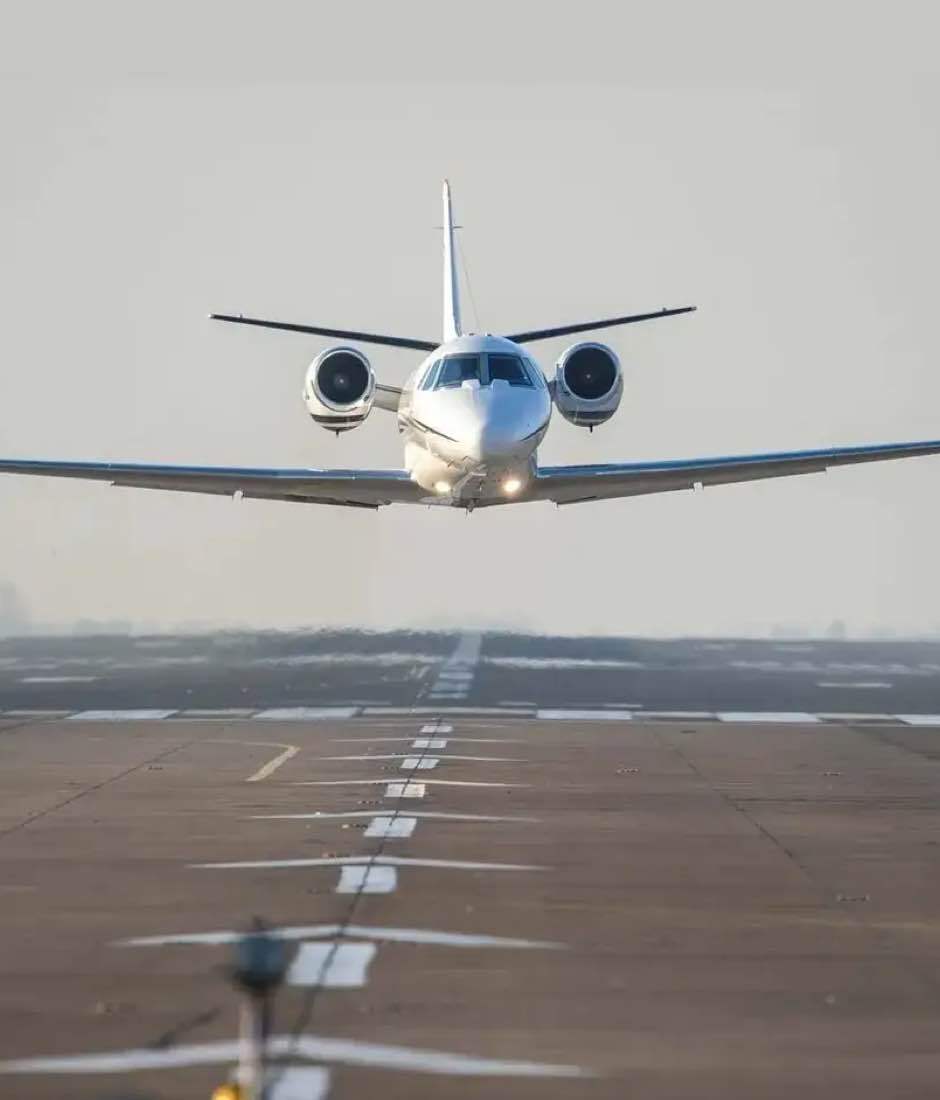
For a few urgent crates, a turboprop or light jet is often the fastest choice. These aircraft use short runways close to plants and job sites, so the truck legs stay short. They suit replacement parts and small loads. Charter is quick to arrange, and the aircraft departs when your freight is ready.

NARROWBODY Air cargo icon

Narrowbody Freighters

Several pallets of production parts fit a narrowbody freighter with room to spare. It balances capacity and cost for mid-size loads. Main deck doors take full-height pallets that passenger holds can't. They can also reach mid-size airports that widebodies can't, which keeps delivery closer to your site.

WIDEBODY Air freight icon

Widebody and Heavy Lift

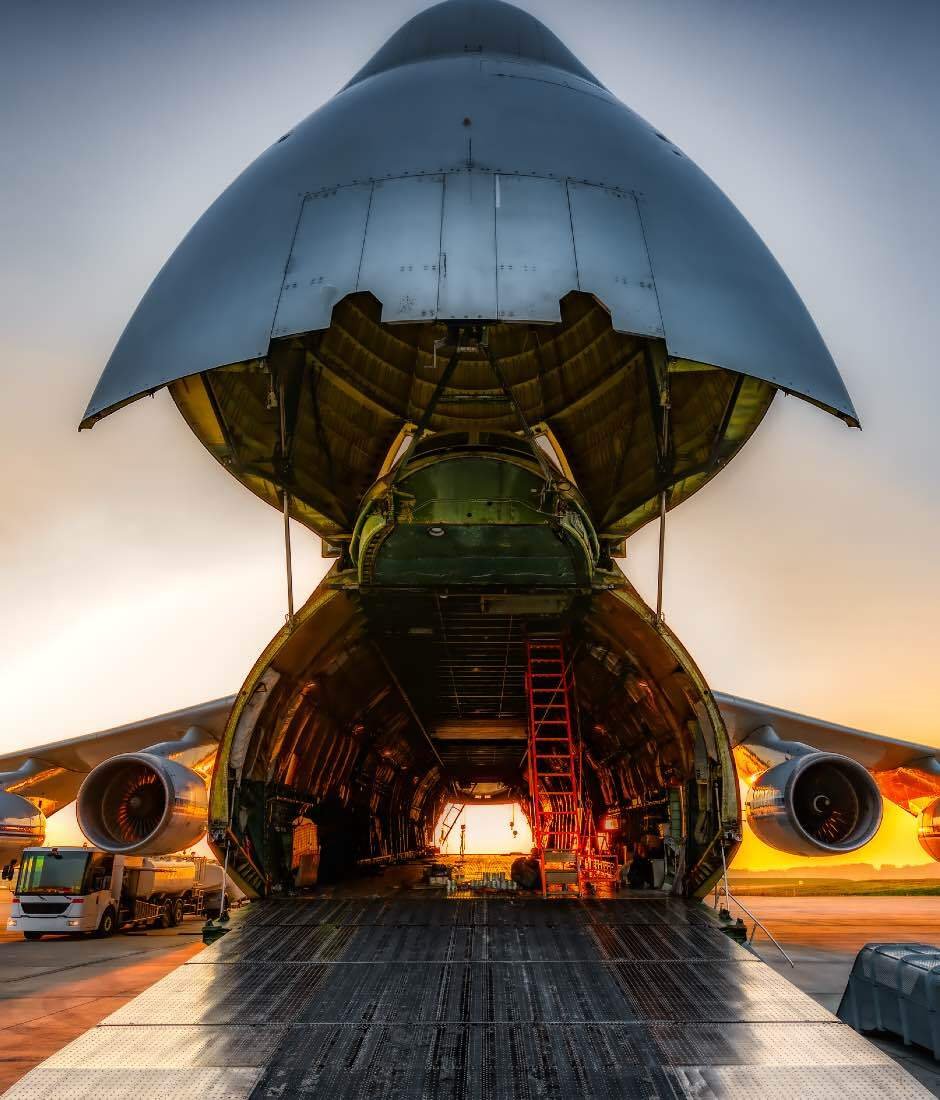
Large loads and oversized pieces fly on widebody freighters, some with nose doors for long cargo. One aircraft carries the whole shipment, so nothing waits for a second flight. We source heavy-lift aircraft on demand. For outsize pieces, we check door sizes and floor loading before booking, so the cargo is accepted at the ramp.

Cargo freighter aircraft
Good to know

The floor and the door

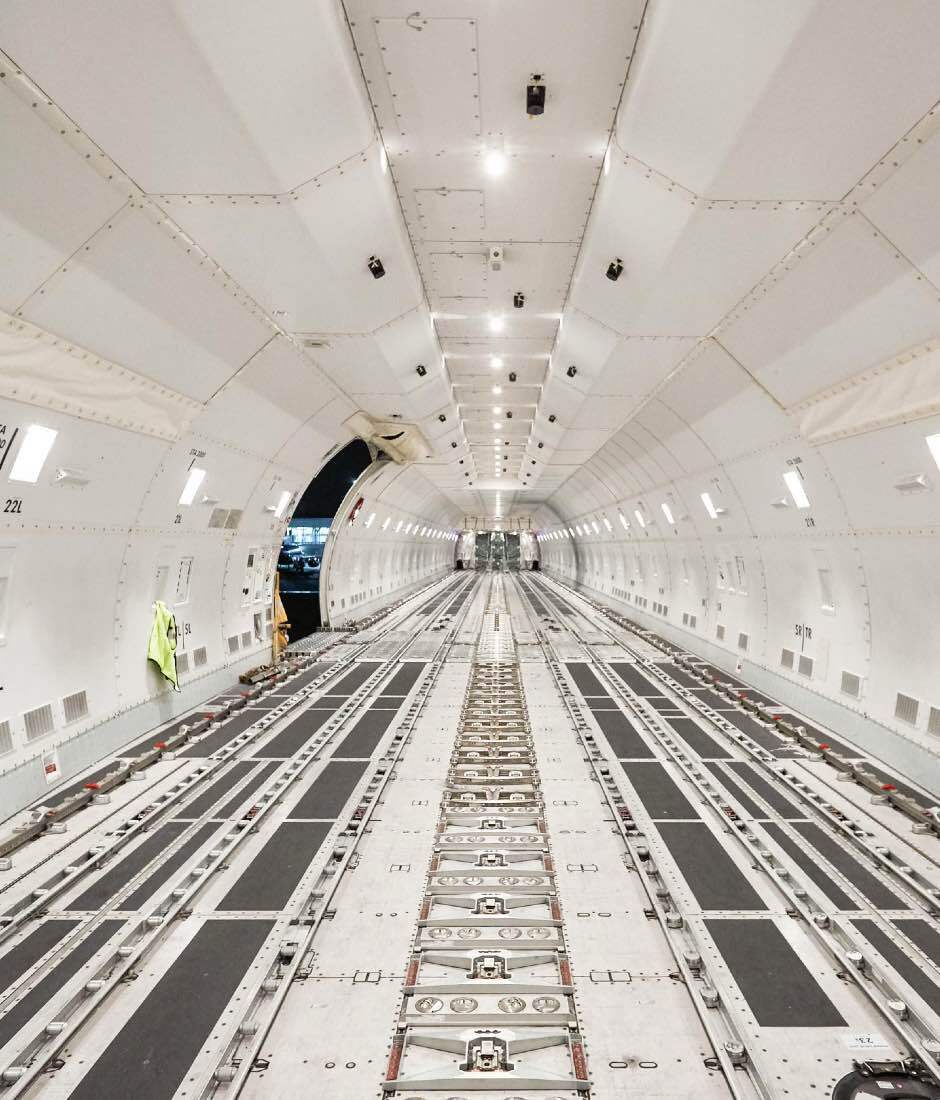
A freighter's roller floor and large doors let it carry pallets no passenger hold can take.

Cargo planes What they are

What makes a cargo plane different

A cargo plane, or freighter, is an aircraft built or converted to carry goods instead of passengers. The cabin has no seats, windows or overhead bins. In their place is a reinforced main deck with a roller floor, so pallets and containers slide into position and lock down.

The doors make the bigger difference. A passenger jet loads freight only through small lower-deck hatches. A freighter adds a large main deck side door, and some types open at the nose or drop a rear ramp. On the Boeing 747-400F, the nose door measures 140 by 98 inches, enough for long machinery and oversized crates.

AirFreight.com books freighters for exactly the loads passenger jets can't take. Every shipment is monitored from pickup to drop-off.
Aircraft cargo hold
In short

Belly, freighter or combi

Boxes ride in the belly. Full-height pallets and machinery need a freighter's main deck.

How freight flies Four aircraft types

Four ways your freight can fly

Belly cargo is the smallest share of space on any one flight, less room than a freighter but available on far more routes. It rides in the lower hold of passenger jets and suits boxes and small pallets that fit through the hatches.

A dedicated freighter carries cargo on both decks and loads full-height pallets through a main deck door. A converted freighter, often called a P2F, starts life as a passenger jet and gets a new floor, a cargo door and a sealed cabin. A combi aircraft splits its main deck between passengers and cargo. Freighters suit machinery, engines, tall crates and full pallet loads, such as production parts and aerospace components.

We match your shipment to the right one of these, based on its weight, size and deadline.

AIR CHARTER SERVICES

AIR FREIGHT EXPLAINED

When a shipment is critical, air freight is usually the answer. But which kind? This video breaks down your two main options: commercial air freight and air cargo charter, and explains when each one makes sense.

Cessna light aircraft
Size guide

1,200 to 222,000 lbs

From a Piper PA-31 to a Boeing 777-200F. The aircraft is sized to the load.

Aircraft sizes Size range

Cargo planes from small to widebody

While a widebody carries the most weight, a small turboprop is often faster for a few urgent crates bound for a regional airport. A Piper PA-31 carries about 1,200 pounds and a Pilatus PC-12 about 2,400 pounds. A Dassault Falcon 20 jet carries about 4,500 pounds, with room for five pallets.

Narrowbody freighters cover the middle. A DC-9 15F carries about 22,930 pounds, and a Boeing 737-400F about 45,000 pounds. For several pallets of production parts, a narrowbody provides a balance of capacity and cost that a widebody can't match.

Widebodies take over above that. A Boeing 767-200F carries about 92,500 pounds and a Boeing 777-200F about 222,000 pounds. This makes a widebody a practical alternative to splitting freight across flights when the load is large but the deadline is fixed. AirFreight.com arranges the aircraft that matches the size of your load.

Air cargo market

Air cargo by the numbers

Air carries a small share of freight by weight but a large share by value. These figures show why so many cargo planes fly, and where they land.

Global air cargo revenue

$162 billionforecast

2025 $151B
2026F $162B

Source: IATA press release, June 2026 industry outlook, 2026

Busiest North American cargo airport

3,854,614Anchorage

Anchorage 3,854,614 t
Louisville 3,396,437 t
Miami 3,128,165 t
Memphis 2,969,502 t

Source: Airport Improvement, ACI-NA 2025 North American traffic rankings, 2025

Cargo aircraft compared

Cargo planes ranked by payload

Figures are approximate maximum payload and cargo volume for each aircraft type. Re-sort by volume to see which planes suit bulky freight rather than heavy freight.

Sort by
  1. Best for heavy palletized loads

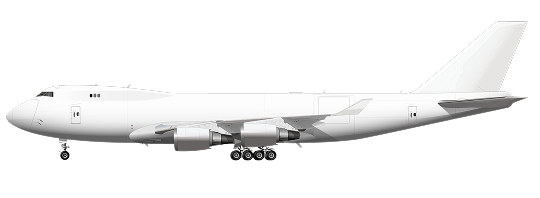
    Boeing 747-400F

    The largest widebody freighter in common commercial use, with a nose door and a side door for long and tall pieces. It carries about 274,000 pounds (about 124,000 kg) over long range.

    GoodNose door for long pieces WatchNeeds long, strong runways
    ~274,000 lbs
    max payload
    ~24,000 cu ft
    cargo volume
    Large widebody
    size class
  2. Best for outsize single pieces

    Antonov An-124

    Built as a freighter from the start, with an opening nose and a rear door. Its 251 by 173 inch cargo cross-section takes pieces too large for other commercial freighters.

    GoodLargest commercial cargo opening WatchFew aircraft, so book early
    ~264,000 lbs
    max payload
    ~36,000 cu ft
    cargo volume
    Large widebody
    size class
  3. Best for long-range heavy freight

    Boeing 777-200F

    A twin-engine widebody with cargo capacity approaching the 747-400F and exceptionally long range. Its main deck door measures 142 by 120 inches.

    GoodLong range with heavy loads WatchNo nose door
    ~222,000 lbs
    max payload
    ~23,000 cu ft
    cargo volume
    Large widebody
    size class
  4. Best for mid-size pallet loads

    Airbus A300-600F

    A widebody freighter that holds up to 28 pallets over two decks. Large main and lower deck doors make loading straightforward.

    GoodUp to 28 pallets WatchHalf the payload of a 777F
    ~103,600 lbs
    max payload
    ~13,800 cu ft
    cargo volume
    Medium widebody
    size class
  5. Best for efficient medium loads

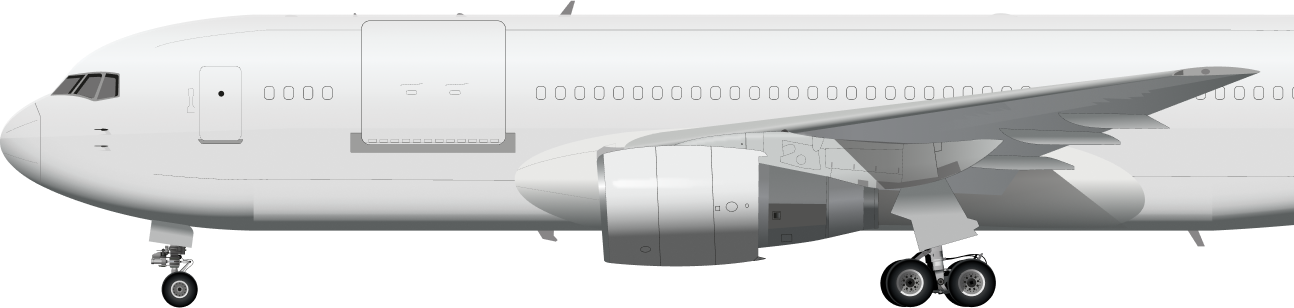
    Boeing 767-200F

    A medium- to long-range freighter known for fuel-efficient operation. Large side doors on both decks take standard pallets and containers.

    GoodFuel-efficient for its size WatchSmaller hold than the A300-600F
    ~92,500 lbs
    max payload
    ~12,950 cu ft
    cargo volume
    Medium widebody
    size class
  6. Best for regional pallet runs

    Boeing 737-400F

    The larger version of the workhorse 737 freighter, popular on short and medium routes. It carries about 45,000 pounds through a large main deck door.

    GoodEfficient on short routes WatchFar less volume than widebodies
    ~45,000 lbs
    max payload
    ~5,600 cu ft
    cargo volume
    Narrowbody
    size class
  7. Best for short-runway jet freight

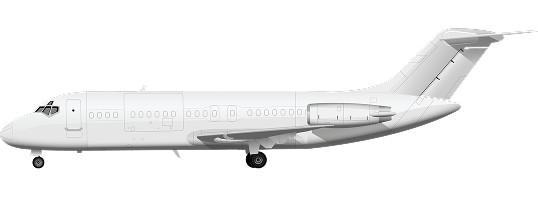
    DC-9 15F

    A smaller twin-engine jet freighter carrying a little over 10 tons. It can use shorter runways than most jets, which opens up smaller airports.

    GoodUses shorter runways WatchLimited payload for a jet
    ~22,930 lbs
    max payload
    ~4,562 cu ft
    cargo volume
    Narrowbody
    size class
  8. Best for small urgent loads

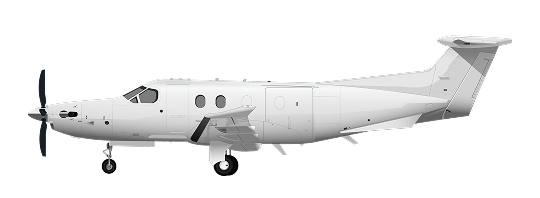
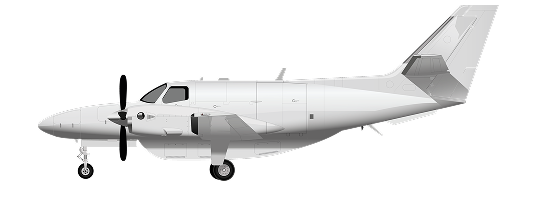
    Pilatus PC-12

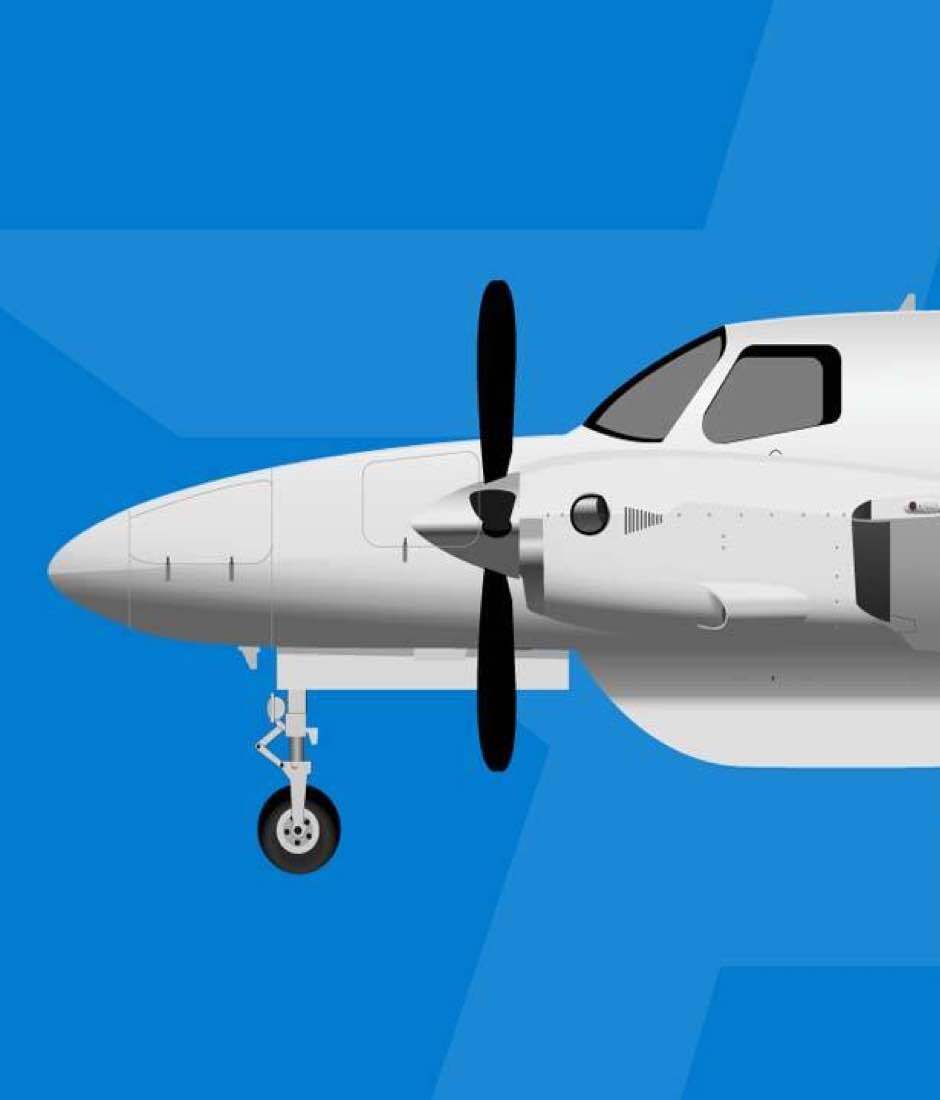
    A single-engine turboprop with a 53 by 52 inch aft cargo door. It operates from short, unpaved and gravel strips that jets cannot use.

    GoodLands on unpaved strips WatchAbout 2,400 pounds at most
    ~2,400 lbs
    max payload
    ~400 cu ft
    cargo volume
    Light aircraft
    size class
Cargo plane
Heavy lift

Too big for anything smaller

The 747-400F and An-124 fly on demand for the largest single pieces.

Heavy lift The largest

The biggest cargo planes flying

Heavy-lift operators usually fly the largest commercial freighters on demand, including the Boeing 747-400F and the Antonov An-124. This means shippers have an option whenever a single piece is too big for anything smaller. The 747-400F carries about 274,000 pounds. The An-124 carries about 264,000 pounds, and its 251 by 173 inch cargo opening takes pieces few other aircraft can.

According to US Air Force fact sheets, the C-5M Super Galaxy is the largest US military cargo plane, with a maximum payload of 281,001 pounds. The C-17 Globemaster III carries 170,900 pounds on 18 pallet positions, and the C-130J about 42,000 pounds. These airlifters fly military missions only.

Our dispatch team is available around the clock, including weekends and holidays, so you can line up heavy lift at any hour. AirFreight.com matches the aircraft to your largest piece to make sure your freight arrives in one move.

Heavy lift compared

747 freighter, An-124 or military airlifter

The heaviest aircraft differ less in weight than in how freight gets in and where they can land. Only the first two are available for commercial charter.

Boeing 747-400F Widebody freighter Antonov An-124 Outsize freighter C-5M Super Galaxy Military strategic airlifter C-17 Globemaster III Military airlifter C-130J Military tactical airlifter
Nose door loading Yes: Nose swings up Yes: Opening nose Yes: Nose opens upward No: Rear ramp only No: Rear ramp only
Rear ramp loading No: Side and nose doors Yes: Rear door and ramp Yes: Rear ramp as well Yes: Rear ramp and door Yes: Rear ramp
Outsize single pieces Sometimes: Up to nose door size Yes: Largest commercial cargo opening Yes: Built for outsize loads Yes: Vehicles and outsize cargo Sometimes: Smaller hold
Short or rough runways No: Long paved runways Sometimes: Needs strong runways No: Long runways Yes: Short, austere strips Yes: Short, unpaved strips
Commercial charter available Yes: Arranged for heavy freight Yes: Arranged for outsize freight No: Military only No: Military only No: Military only
Carries standard pallets Yes: Main and lower decks Yes: On a large flat hold Yes: Pallets and rolling cargo Yes: 18 pallet positions Yes: Pallets and vehicles
Best when Heavy pallet loads over long range A piece is too big for others Military outsize airlift Military airlift to short fields Military tactical airlift

Boeing 747-400F

Widebody freighter
Nose door loading
Yes: Nose swings up
Rear ramp loading
No: Side and nose doors
Outsize single pieces
Sometimes: Up to nose door size
Short or rough runways
No: Long paved runways
Commercial charter available
Yes: Arranged for heavy freight
Carries standard pallets
Yes: Main and lower decks
Best when
Heavy pallet loads over long range

Antonov An-124

Outsize freighter
Nose door loading
Yes: Opening nose
Rear ramp loading
Yes: Rear door and ramp
Outsize single pieces
Yes: Largest commercial cargo opening
Short or rough runways
Sometimes: Needs strong runways
Commercial charter available
Yes: Arranged for outsize freight
Carries standard pallets
Yes: On a large flat hold
Best when
A piece is too big for others

C-5M Super Galaxy

Military strategic airlifter
Nose door loading
Yes: Nose opens upward
Rear ramp loading
Yes: Rear ramp as well
Outsize single pieces
Yes: Built for outsize loads
Short or rough runways
No: Long runways
Commercial charter available
No: Military only
Carries standard pallets
Yes: Pallets and rolling cargo
Best when
Military outsize airlift

C-17 Globemaster III

Military airlifter
Nose door loading
No: Rear ramp only
Rear ramp loading
Yes: Rear ramp and door
Outsize single pieces
Yes: Vehicles and outsize cargo
Short or rough runways
Yes: Short, austere strips
Commercial charter available
No: Military only
Carries standard pallets
Yes: 18 pallet positions
Best when
Military airlift to short fields

C-130J

Military tactical airlifter
Nose door loading
No: Rear ramp only
Rear ramp loading
Yes: Rear ramp
Outsize single pieces
Sometimes: Smaller hold
Short or rough runways
Yes: Short, unpaved strips
Commercial charter available
No: Military only
Carries standard pallets
Yes: Pallets and vehicles
Best when
Military tactical airlift

Military aircraft are shown for comparison only and are not available for commercial freight.

5.0 from 1,600+ reviews on

Big crate or a few boxes? Get the right aircraft.

Send your pieces, weights and deadline. An expeditor matches the aircraft, from a turboprop to a widebody freighter, quotes the trip and keeps you updated to delivery.

  • Steve Janssen did a wonderful job getting me an emergency delivery. Only took about 10 hours from the first time I spoke to him until I received my goods. Would recommend Air Freight to anyone in a heart beat.

    Richard
  • We had a customer that called a 3pm and needed a 1 ton pallet delivered from one of our venders the next day. Air freight picked up at 7:30am and delivered by 11am. Great Service!!!

    John

Request a Quote

Step 1 of 3Origin and Destination Info

globe-connections
Know the limit

Weight, volume and the door

A piece too tall for the door cannot fly on that aircraft at any weight.

Loading

How freight gets on board

Freight loads through one of three openings. Side doors on the main deck take pallets and containers onto a roller floor. Nose doors let long pieces slide straight in, and rear ramps let vehicles and wheeled machinery drive aboard.

Every load meets three limits: weight, volume and the door. Dense freight such as steel parts reaches the weight limit first. Bulky freight such as panels fills the hold before it gets heavy. A piece that is too tall for the door cannot fly on that aircraft at any weight.

When a side-door freighter isn't the right fit for an oversized piece, a nose-loading or ramp aircraft might be the answer. Choose from side-door, nose-door and rear-ramp aircraft, including the An-124 for the largest pieces. Ramp aircraft are also the right call for vehicles, so they drive on and off with no crane. AirFreight.com checks every dimension against the door before an aircraft is booked.

Find the Right Aircraft for Your Freight

Watch on YouTube
From aviation to expedited freight
Episode 4 Jul 13, 2026 31 min

Inside the Mind of a Freight Leader: John Elliott (Founder of Load One)

In this episode of On Air with Airfreight.com, host Kevin Carpenter sits down with John Elliott, founder and executive chairman of Load One, to talk about building one of the country’s leading expedited freight carriers and what it takes to stay competitive in a fast-changing industry.

John walks through his unusual path into trucking, starting with a family legacy in transportation, a college degree in aviation management, and an early career that eventually brought him back to freight. He shares how Load One began as a regional truckload carrier before a series of decisions — including one persistent employee bringing him an expedite opportunity — pushed the company into the expedited freight space.

Freight News
Freighters · Fleet growth

Global freighter fleet forecast to reach 4,010 aircraft by 2045

A new forecast expects the freighter fleet to grow 67% over two decades, a sign that dedicated cargo capacity stays in demand.

aircraft-cargo
At a glance · October 2026
4,010
freighters in the global fleet by 2045
2,395
freighters in the global fleet in 2025

The fleet is set to grow

According to AeroTime, Boeing expects the global freighter fleet to grow from 2,395 aircraft in 2025 to 4,010 by 2045, an increase of 67%.

Source: AeroTime, October 28, 2026

dedicated freighters will remain essential to global commerce.
Darren Hulst, Vice President of Commercial Marketing, Boeing

Why it is growing

Air cargo traffic is expected to double by 2045. That calls for 2,930 new freighter deliveries, with about 55% for growth and the rest replacing retiring aircraft.

What it means for you

New aircraft take years to arrive, so freighter space stays in demand. AirFreight.com helps you book early and match your freight to the aircraft available now.

Boeing 767-200F aircraft

AIR CHARTER AIRCRAFT

Reliable, on-demand aircraft charter solutions—customized to move your freight faster, safer, and smarter.

View Charter Options
PILATUS PC 12

PILATUS PC-12

A small, single-engine aircraft with a large aft cargo door, designed for short- to medium-range travel. The PC-12 operates from small airfields and is known for safety and reliability.

CESSNA 406 CARAVAN II

CESSNA 406 CARAVAN II

A small, twin-engined turboprop aircraft for short- to medium-range deliveries. Capacity is limited, but its size and versatility allow it to use airports close to where its cargo is produced and needed.

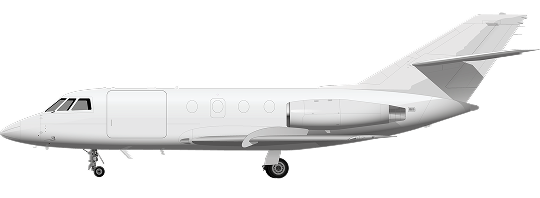
DASSAULT FALCON 20

DASSAULT FALCON 20

The perfect aircraft for delivering vital parts or materials quickly, this famously efficient private jet accommodates five pallets and has a range of nearly 3,000 miles.

DOUGLAS DC 9 15F

MCDONNELL DOUGLAS DC-9 15F

A smaller, twin-engined jet built for short- to medium-range transportation. Cargo capacity is a little over 10 tons, but the ability to use shorter runways increases the versatility of this aircraft.

747 400F

BOEING 747-400F

Built for efficient delivery of huge loads to any corner of the globe. The wide-body design, with an opening nose, large side door, and cargo handling system, simplifies loading and unloading.

plane-engine
Rule of thumb

The freight picks the plane

Weight, size, deadline and runway decide the aircraft, so share all four when you ask.

Booking Booking a flight

Putting your shipment on the right plane

Skip the guesswork of picking an aircraft yourself. We match your freight to the right option based on its weight, size, deadline and destination airport.

Small, urgent shipments often fly as belly cargo or on next flight out, sharing scheduled flights at a lower cost. Full pallet loads move on scheduled freighters. When no scheduled flight meets the deadline, a dedicated cargo charter flies the shipment alone. A charter removes connections and hub transfers, which saves time and cuts the risk of freight left on the ground.

Your shipment stays with one expeditor from the first call to final delivery, whichever aircraft it flies on. AirFreight.com arranges the flight through licensed operators and tracks it to your door. Tell us what you need to move, and we'll handle the rest.

How a charter works

How a cargo charter comes together

A cargo charter moves from first call to wheels-down in a set sequence. Each step depends on the details you share at the start.

  1. 01

    Share the shipment details

    Send the piece count, dimensions, weights, pickup and delivery locations and the deadline. Flag hazardous materials or any piece that needs a nose door or a ramp.

    • Dims and weight
    • Deadline
    • Special handling
  2. 02

    Match the aircraft

    Your expeditor checks which aircraft can take the largest piece and the total weight, and which airports near each end can handle that aircraft.

    • Door size
    • Payload
    • Runway
  3. 03

    Confirm the quote and book

    You review a door-to-door quote for the matched aircraft and any alternatives. Once you approve, the flight is booked and the air waybill is prepared.

    • Air waybill
  4. 04

    Pickup and loading

    A truck brings the freight to the departure airport. There it is screened and loaded through the side door, nose or ramp the aircraft uses.

    • Cargo screening
  5. 05

    Track the flight

    Your expeditor follows the aircraft from departure to arrival and updates you at wheels-up and wheels-down, or sooner if anything changes on the way.

  6. 06

    Deliver and confirm

    The freight is unloaded and trucked to the final address. A signed proof of delivery closes out the shipment, and your expeditor confirms it with you.

    • Proof of delivery

Runway length, airport handling equipment and hazardous materials rules can limit which aircraft can serve a route.

expeditor-steve

“I had a single point of contact assigned to our shipment that was fantastic on keeping me updated every step of the way.”

Pamela · Trustpilot
HowWe Work

One Person, Start to Finish

When you call AirFreight.com about a cargo flight, a real person answers right away. That expeditor works out which aircraft can take your freight, books it and owns the shipment until it is delivered. You never re-explain dimensions or weights to someone new. If the aircraft changes, the person who planned the flight is the one who calls you.

  • One expeditor from first call to delivery
  • Aircraft specs checked against your freight
  • The same person on your next flight
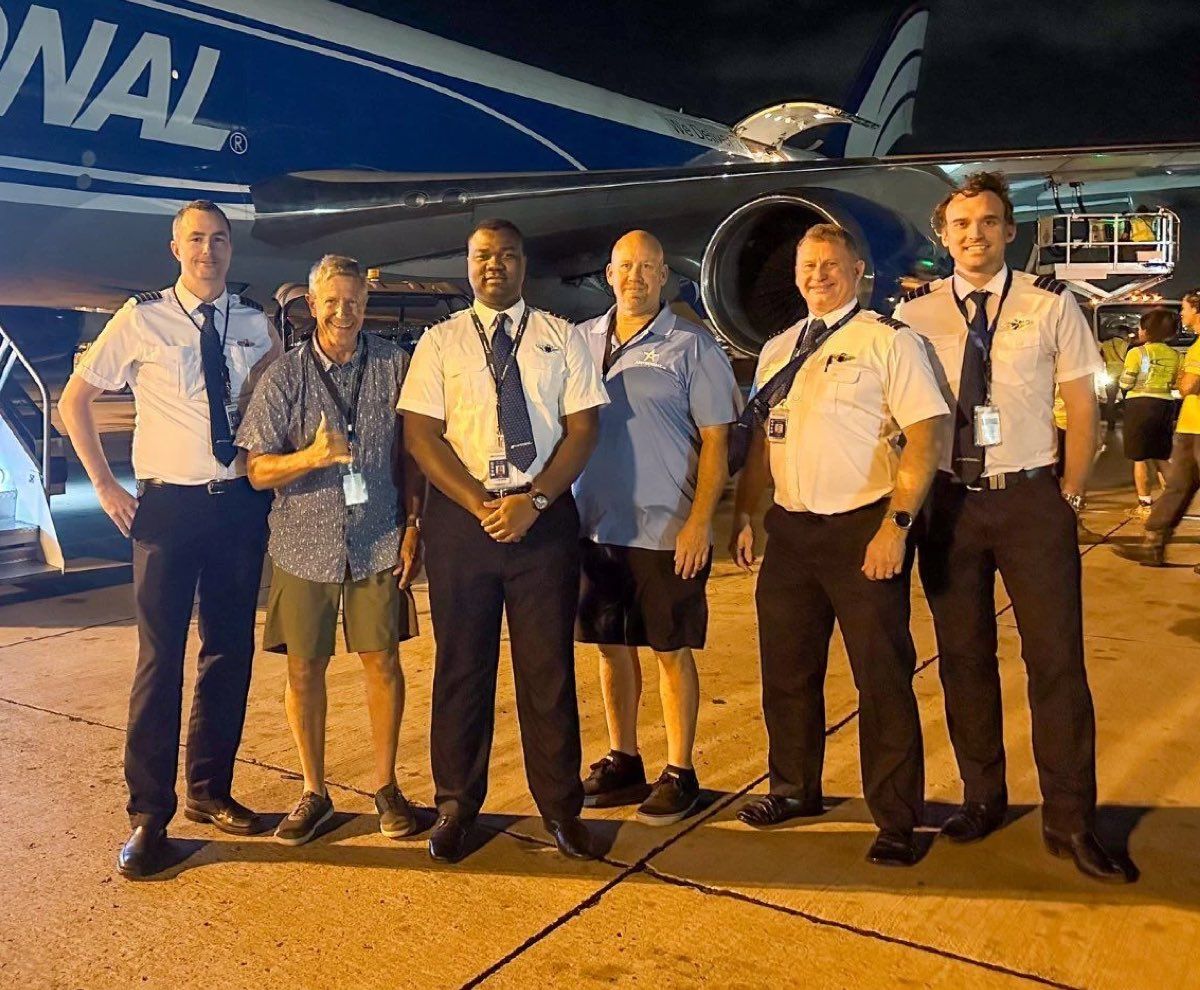
The expediting team at the airport

“I called up at 7:30 pm... one that was secured cancelled at the end of the day. Todd quoted three shipments on the spot... The last shipment was picked up at Midnight.”

Susan · Trustpilot
WhatWe Provide

The Right Mode, Every Time

The right cargo plane is the one that fits the freight and the deadline. We have access to turboprops, light jets, narrowbody and widebody freighters and heavy lifters, plus hand carry and trucks to and from the airport. We match the shipment to the aircraft it needs, so you never pay for a widebody when a turboprop will do.

  • Turboprops to widebody freighters
  • Aircraft sized to weight and door dimensions
  • Trucks for the legs to and from the airport
expeditor-andy

“True to word. They did exactly what they said they would do.”

Dan · Trustpilot
WhoWe Are

Honest With You, Always

A freight emergency is stressful enough without wondering whether you have the full story. You see the price before you commit and the timeline as it actually stands, and if an aircraft or crew issue changes the plan, you hear it from us first. If a smaller plane or a truck will do the job, we tell you before you book.

  • All-in quotes with no surprise surcharges
  • Aircraft or crew changes reported right away
  • We say so when a smaller plane will do

Cargo Plane Questions Answered

What is belly cargo?

Belly cargo is freight carried in the lower hold of a passenger aircraft, beneath the cabin, alongside checked baggage. Airlines sell this space on their scheduled passenger routes, so it reaches many more airports than dedicated freighters do. The trade-off is size. Freight has to fit through the lower-deck hatches and within the hold's height, which rules out tall crates and large machinery. Belly space also depends on how much baggage the flight carries and on the passenger schedule. It suits boxes, small pallets, documents and parts that can share a flight. For anything taller, heavier or tied to a hard deadline that no passenger flight meets, a freighter or a dedicated charter is the usual answer.

What is a passenger-to-freighter conversion?

A passenger-to-freighter conversion, often shortened to P2F, turns a retired passenger jet into a cargo plane. The seats, galleys and overhead bins come out. A reinforced main deck floor with rollers goes in, along with a large cargo door cut into the side of the fuselage and a rigid barrier behind the cockpit. Windows are usually plugged. Converted freighters extend the working life of an airframe and add cargo capacity faster than new aircraft can be built. Common conversions include the Boeing 737, 767 and 777 families. Once converted, the aircraft loads pallets and containers on the main deck much like a factory-built freighter, although door size and floor strength can differ from the original freighter version.

What is a combi aircraft?

A combi aircraft carries passengers and cargo on the same main deck. A movable partition separates the cabin, usually at the front, from a cargo section at the back that loads through a large side door. The lower hold carries baggage and more freight. Combis let an airline serve routes where neither passenger demand nor cargo demand alone fills an aircraft, which made them common on remote and island routes. Few combis remain in service today, because dedicated freighters and passenger aircraft with large holds have taken over most of that work. A related term, preighter, describes a passenger aircraft flown with cargo only, sometimes with freight strapped onto the seats or the cabin floor.

How much can a cargo plane carry?

It depends on the aircraft, and the range is wide. A Piper PA-31 carries about 1,200 pounds (about 540 kg), and a Pilatus PC-12 about 2,400 pounds. Narrowbody freighters such as the Boeing 737-400F carry about 45,000 pounds. Widebodies go much further: a Boeing 767-200F carries about 92,500 pounds, a Boeing 777-200F about 222,000 pounds and a Boeing 747-400F about 274,000 pounds (about 124,000 kg). Volume matters as much as weight. The Antonov An-124 offers about 36,000 cubic feet of space, the most of any aircraft commonly chartered for freight. Every figure is a maximum, and the real load on a given flight also depends on fuel, distance and the airports at each end.

What is the biggest cargo plane in the U.S. military?

The C-5M Super Galaxy is the largest cargo plane in the US Air Force. According to the Air Force fact sheet, it has a maximum allowable payload of 281,001 pounds (127,460 kg). It loads through a nose that lifts upward and a rear ramp, so vehicles and outsize equipment can roll on at one end and off at the other. The C-5M flies strategic airlift, moving heavy equipment and supplies over long distances between major bases. Its size means it needs long, strong runways. The C-17 Globemaster III, the next largest, trades some payload for the ability to land on short and unprepared airfields. Neither aircraft is available for commercial freight.

Which plane is bigger, the C-17 or the C-130?

The C-17 Globemaster III is much bigger. Air Force figures put its maximum payload at 170,900 pounds, carried on 18 pallet positions. The C-130J carries about 42,000 pounds, so the C-17 lifts roughly four times as much. Both aircraft are military airlifters with high wings and rear loading ramps, and both can operate from short and rough airfields. The C-17 is a four-engine jet built for strategic and tactical airlift over long distances. The C-130 is a four-engine turboprop, designed for shorter tactical missions into small and austere strips. A stretched version, the C-130J-30, adds cargo space. Both serve military missions and are not chartered for commercial freight.

Do cargo pilots only fly at night?

No, but many cargo flights do run overnight. Express networks collect parcels in the late afternoon and evening, fly them to central hubs overnight for sorting, then fly them out again before dawn for morning delivery. Night flying also uses quieter airspace and airport slots that passenger schedules leave open. Plenty of cargo flies in daylight as well, in the bellies of passenger jets and on scheduled freighters. Charter flights keep no fixed schedule at all. A dedicated cargo charter departs when the freight is loaded, whether that is at noon or at three in the morning. Cargo pilots therefore work a mix of day and night duty, depending on the operator and the routes it flies.

What limits what a cargo plane can take?

Three things limit every load: weight, volume and the door. Each aircraft has a maximum payload, and dense freight such as steel parts or engines reaches that limit first. Bulky but light freight, such as panels or foam, fills the cargo space before it gets heavy. The door sets a hard limit on single pieces. On a Boeing 747-400F, the nose door measures 140 by 98 inches, while the Antonov An-124's cargo opening is 251 by 173 inches, which is why it carries the largest pieces. Floor strength, the length of the hold and the runways at each end narrow the options further. A shipment's largest piece and total weight together decide which aircraft can carry it.

What do ACMI and dry lease mean?

ACMI stands for aircraft, crew, maintenance and insurance. In an ACMI lease, often called a wet lease, one operator supplies the aircraft with its crew, maintenance and insurance, and the customer pays by the block hour while covering fuel, airport fees and handling. Airlines use ACMI to add freighter capacity quickly without buying aircraft. A dry lease supplies only the aircraft. The customer provides its own crew, maintenance and insurance and flies the aircraft under its own operating certificate, usually for months or years. Both terms come up when companies buy or lease cargo planes. A shipper who simply needs freight moved does neither, because a charter books the whole flight with the aircraft, crew and operation included.

Can cargo planes land on short or unpaved runways?

Some can. Small turboprops such as the Pilatus PC-12 operate from short, unpaved, gravel and grass strips, which makes them useful for remote job sites and small towns without a major airport. Among jets, the DC-9 15F can use shorter runways than most, which opens up smaller regional airports. Military airlifters such as the C-17 and C-130 are designed for short and austere airfields. Large widebody freighters, including the Boeing 747-400F and 777-200F, need long, strong paved runways and airports equipped to handle them. When a destination has only a short runway, the aircraft choice narrows quickly, so the nearest suitable airport and the truck leg from it become part of planning the flight.

Get a quote

Put your freight on the aircraft that fits it

Tell us the pieces, weights, pickup and delivery points. An expeditor matches the aircraft and sends a door-to-door quote.

5.0 from 1,600+ reviews on

Request a Quote

Step 1 of 3Origin and Destination Info

Jason was super helpful from start to finish. Very responsive and got me on the schedule and kept me updated at every junction. I will use air freight again!

Patrick · Verified review on Trustpilot
CTA Hero Star Background
TOP