Skip to content
AirFreight logo with topographic patterns

Cargo Jet Charter

When a production line is down for one part, the next scheduled flight may be too late. AirFreight.com arranges cargo jet charters, from light jets carrying a few pallets to wide-body freighters, across the US and North America. You get one aircraft on your schedule and one expeditor from quote to delivery.

CALL US AT (800) 713-1000

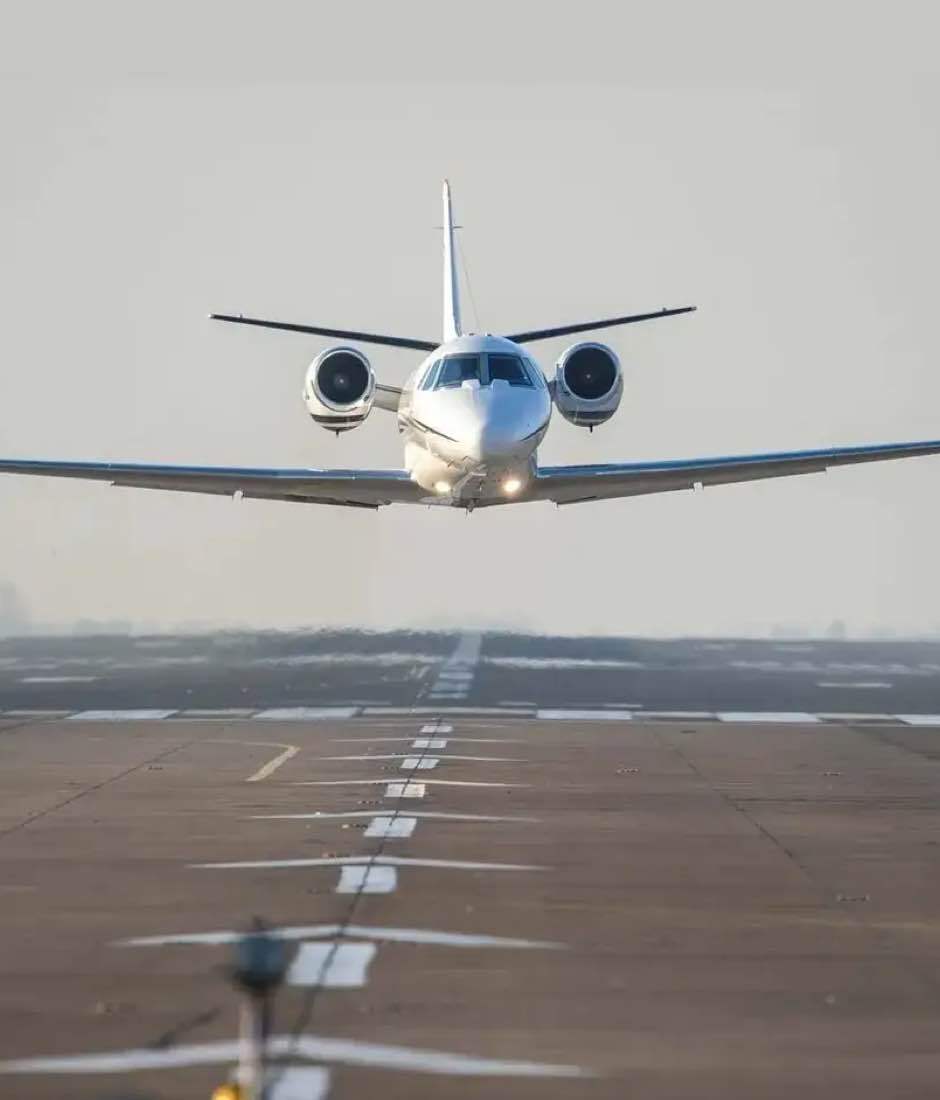
Dassault Falcon

Trusted By Our Most Valuable Partners

CARGO JET CHARTER

Your Freight, Your Jet, Your Schedule

A scheduled flight with a connection can turn a one-day emergency into a three-day one. A chartered jet takes the timetable out of the equation. It goes when your freight does.

AirFreight.com sources the jet that fits your load and the runways at both ends. We arrange the trucks to and from the aircraft and handle the paperwork, so you deal with one contact from quote to delivery.

The deciding factors are size, distance and runways. A light jet is fast and quick to position but holds only a few boxes. A converted cargo jet carries pallets but needs a longer runway. We match the jet to all three, then plan the trucks around it.

Share the pieces, weights and deadline, and we'll tell you which jet can fly it and how soon.

LIGHT JETS Air charter icon

Light Jets for Urgent Parts

A light jet carries a few boxes or a small crate at jet speed. It uses smaller airports close to the pickup and delivery, which keeps the truck legs short. They are quick to position, so a light jet can often be flying within a few hours.

MIDSIZE JETS Air cargo icon

Converted Cargo Jets

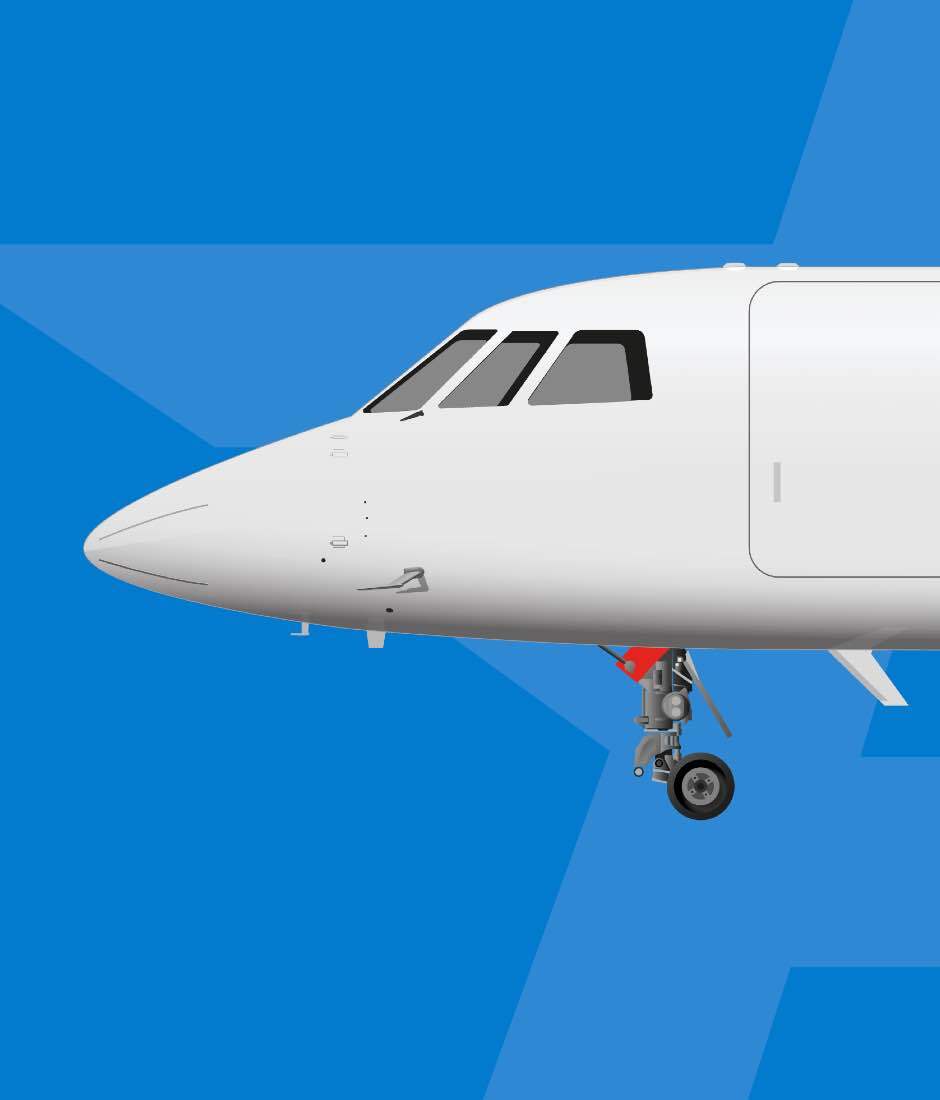
Business jets converted for freight, such as the Falcon 20, carry several pallets across the country in a few hours. They are a common choice for line-down parts. They are fast enough to cover a cross-country run in one day, with time to spare.

JET FREIGHTERS Air freight icon

Narrowbody and Widebody Freighters

Bigger loads fly on jet freighters with main deck doors. They carry full pallet loads and oversized pieces in one trip. We check door sizes and floor limits before booking, so the freight loads on the first try.

aircraft-cargo
Good to know

The whole aircraft is yours

Your freight flies alone, so the departure time and route follow your deadline.

Cargo jet charter What it is

What a cargo jet charter really is

A cargo jet charter means you book the whole aircraft for one shipment. A licensed operator flies it from the airport nearest your pickup to the one nearest your delivery, at the departure time your deadline sets. No other shipper's cargo is on board, and no connection waits at a hub.

Passenger private jets have cabins built for people and are rarely the right aircraft for freight. A cargo charter is ideal for line-down parts, aircraft-on-ground parts, oversized equipment and freight that missed its flight. AirFreight.com arranges cargo jet charter for all of these.

aircraft-engine
Rule of thumb

Distance and deadline decide

Long distances and tight deadlines favor a jet; short hops and flexible timing favor something smaller.

Choosing the aircraft Jet or alternative

When a jet beats every other option

AirFreight.com specializes in air charter that gets urgent freight moving and delivered on the aircraft that fits. A jet earns its place on long distances with tight deadlines. It cruises far faster than a turboprop. A dedicated departure removes the wait for a scheduled flight and the hub transfer, which cuts the risk of a missed connection.

A turboprop is often the better charter for short hops, small loads and small or unpaved airfields. On shorter distances, an expedited truck or hot shot can arrive first. When the deadline allows, next flight out or scheduled air freight costs far less than a charter.

Whichever option fits, your shipment stays with one expeditor from the first quote to final delivery.

Choosing the right lift

Jet charter, turboprop, scheduled air or truck

Each option trades speed, size and cost differently. AirFreight.com arranges all four, so the table shows where a jet charter fits and where something smaller or slower makes more sense.

Air Cargo Charter (jet) Dedicated jet freighter Turboprop Charter Dedicated small aircraft Next Flight Out First scheduled departure Expedited Ground Hot shot or dedicated truck
Dedicated to your freight Yes: The whole jet is yours Yes: The whole aircraft is yours No: Shares space with other cargo Yes: One truck, one load
Departs on your schedule Yes: Leaves when the freight is ready Yes: Leaves when the freight is ready No: Follows airline schedules and cutoffs Yes: Rolls as soon as it is loaded
Fast over long distances Yes: Jet speed, no hub stops Sometimes: Slower cruise, shorter range Sometimes: Fast once airborne, connections add time No: Slower on long runs
Reaches small airfields Sometimes: Smaller jets reach regional airports Yes: Short and unpaved strips No: Major airline airports only Yes: Drives to any dock
Carries large or heavy loads Yes: Light jets to wide-body freighters Sometimes: Small loads only Sometimes: Within shared-flight limits Sometimes: Within truck limits
Lower relative cost No: Highest cost option Sometimes: Less than a jet Yes: Far less than a charter Yes: Often lowest overall
Best when Long distance, tight deadline, big load Short hops and small airfields The deadline allows a scheduled flight Shorter distances by road

Air Cargo Charter (jet)

Dedicated jet freighter
Dedicated to your freight
Yes: The whole jet is yours
Departs on your schedule
Yes: Leaves when the freight is ready
Fast over long distances
Yes: Jet speed, no hub stops
Reaches small airfields
Sometimes: Smaller jets reach regional airports
Carries large or heavy loads
Yes: Light jets to wide-body freighters
Lower relative cost
No: Highest cost option
Best when
Long distance, tight deadline, big load

Turboprop Charter

Dedicated small aircraft
Dedicated to your freight
Yes: The whole aircraft is yours
Departs on your schedule
Yes: Leaves when the freight is ready
Fast over long distances
Sometimes: Slower cruise, shorter range
Reaches small airfields
Yes: Short and unpaved strips
Carries large or heavy loads
Sometimes: Small loads only
Lower relative cost
Sometimes: Less than a jet
Best when
Short hops and small airfields

Next Flight Out

First scheduled departure
Dedicated to your freight
No: Shares space with other cargo
Departs on your schedule
No: Follows airline schedules and cutoffs
Fast over long distances
Sometimes: Fast once airborne, connections add time
Reaches small airfields
No: Major airline airports only
Carries large or heavy loads
Sometimes: Within shared-flight limits
Lower relative cost
Yes: Far less than a charter
Best when
The deadline allows a scheduled flight

Expedited Ground

Hot shot or dedicated truck
Dedicated to your freight
Yes: One truck, one load
Departs on your schedule
Yes: Rolls as soon as it is loaded
Fast over long distances
No: Slower on long runs
Reaches small airfields
Yes: Drives to any dock
Carries large or heavy loads
Sometimes: Within truck limits
Lower relative cost
Yes: Often lowest overall
Best when
Shorter distances by road

Summarised for U.S. domestic freight; aircraft and airport limits vary by operator.

AIR CHARTER SERVICES

AIR FREIGHT EXPLAINED

When a shipment is critical, air freight is usually the answer. But which kind? This video breaks down your two main options: commercial air freight and air cargo charter, and explains when each one makes sense.

Dassault Falcon business jet
Size classes

Class sets what the jet can do

The class decides payload, range and which airports the jet can use.

Charter jets Size classes

The cargo jets you can charter

From a few pallets of spare parts to a full load of production equipment, we arrange the cargo jet that fits.

Light jets such as the Dassault Falcon 20 carry about 4,500 pounds, with room for five pallets. Narrow-body freighters step up sharply. The DC-9 15F carries a little over ten tons, and the Boeing 737-400F about 45,000 pounds.

Medium wide-bodies such as the Boeing 767-200F and Airbus A300-600F carry roughly 92,500 to 103,600 pounds. At the top, the Boeing 777-200F, Boeing 747-400F and Antonov An-124 each carry well over 200,000 pounds. AirFreight.com gives you access to cargo jets in every class, backed by an expeditor who manages the charter from start to finish. Every shipment is tracked from pickup to delivery.

Charter jet guide

Cargo jets for charter, ranked by payload

Figures are approximate maximum payloads and full-payload ranges from published aircraft specifications. Re-sort by range to see which jets fly farthest when loaded.

Sort by
  1. Best for the heaviest loads

    Boeing 747-400F

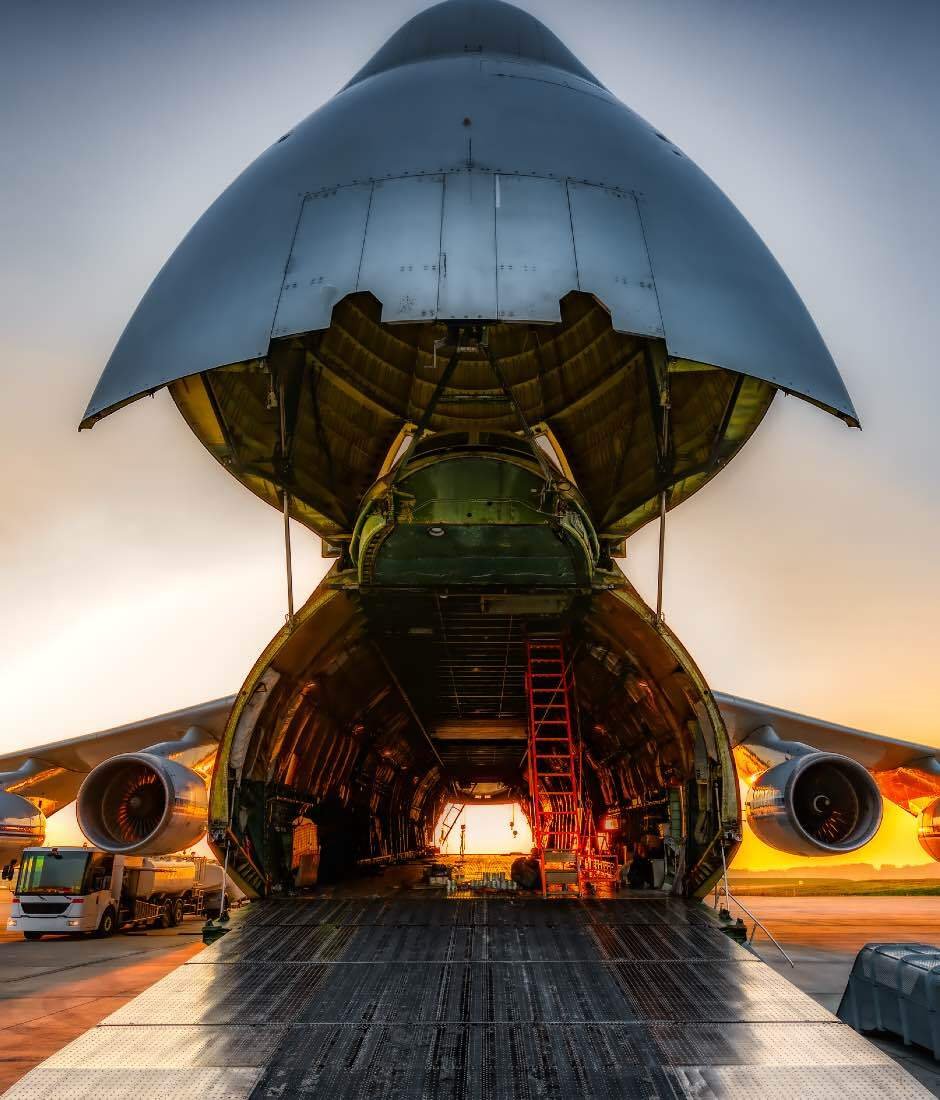
    A four-engine wide-body freighter with an opening nose door for long, outsized pieces. It carries the largest payload on this list and flies long routes nonstop.

    GoodNose door for long pieces WatchNeeds long runways and big airports
    ~274,000 lb
    max payload
    ~5,200 mi
    range, fully loaded
    Full wide-body loads
    best-fit load
  2. Best for outsized single pieces

    Antonov An-124

    Designed from the outset for cargo, with an opening nose and a rear door for drive-on loading. It handles the largest single loads of any aircraft.

    GoodNose and rear doors, drive-on loading WatchShorter range when fully loaded
    ~264,000 lb
    max payload
    ~2,300 mi
    range, fully loaded
    Outsized equipment
    best-fit load
  3. Best for long range at scale

    Boeing 777-200F

    A twin-engine wide-body freighter with capacity approaching the 747-400F. It flies the longest full-payload range of the jets listed here.

    GoodLongest range fully loaded WatchLarge airports only
    ~222,000 lb
    max payload
    ~5,720 mi
    range, fully loaded
    Heavy, bulky freight
    best-fit load
  4. Best for many pallets, medium range

    Airbus A300-600F

    A wide-body freighter that holds up to 28 pallets over two decks. Large main and lower deck doors keep loading straightforward on medium-range flights.

    GoodUp to 28 pallets WatchMedium range, not intercontinental
    ~103,600 lb
    max payload
    ~4,700 mi
    range, fully loaded
    Palletized loads
    best-fit load
  5. Best balance of size and efficiency

    Boeing 767-200F

    A medium- to long-range freighter known for fuel efficiency, with side doors on both decks and a built-in cargo handling system. It suits loads too big for a narrow-body.

    GoodFuel-efficient for its size WatchLess volume than larger wide-bodies
    ~92,500 lb
    max payload
    ~4,500 mi
    range, fully loaded
    Mid-size loads
    best-fit load
  6. Best for regional heavy freight

    Boeing 737-400F

    The larger, longer-range version of the 737 freighter, popular for short- and medium-haul flights. Large cargo doors take oversized and bulky freight.

    GoodLarge doors for bulky freight WatchShorter range than wide-bodies
    ~45,000 lb
    max payload
    ~2,300 mi
    range, fully loaded
    Several tons
    best-fit load
  7. Fastest choice for small urgent loads

    Dassault Falcon 20

    A light jet with room for five pallets and a cruise speed near 530 mph. AirFreight.com arranges it for urgent parts that need jet speed without a large freighter.

    GoodJet speed for small loads WatchAbout five pallets maximum
    ~4,500 lb
    max payload
    ~2,000 mi
    range, fully loaded
    A few pallets
    best-fit load

Air cargo market

Air cargo by the numbers

Air carries a large share of world trade by value, and the market keeps growing. These figures show why urgent, valuable freight so often justifies its own aircraft.

Global air cargo revenue

$162 billion2026 forecast

2025 $151B
2026F $162B

Source: IATA press release, June 2026 industry outlook, 2026

Busiest North American cargo airport

3,854,614Anchorage

Anchorage 3,854,614 t
Louisville 3,396,437 t
Miami 3,128,165 t
Memphis 2,969,502 t

Source: Airport Improvement, ACI-NA 2025 North American traffic rankings, 2025

factory-worker-weld
Before you ask

Measure the largest piece

The biggest single piece often decides the aircraft, so share its exact dimensions.

Aircraft fit Matching the load

Matching your freight to the right aircraft

A cargo door sets the real limit on many charters, often before weight does. Each piece has to pass through the door and sit within the floor's loading limits. The Boeing 747-400F and Antonov An-124 open at the nose, which lets long, outsized pieces slide straight in. Pallet positions matter too, since the A300-600F holds up to 28 and the Falcon 20 about five.

Light and narrow-body jets work well for spare parts, crates and palletized freight, such as electronics, tooling and medical equipment. Airports narrow the choice further. Large freighters need long runways and heavy-duty ramps, while smaller jets and turboprops reach regional airports closer to your dock.

We match the aircraft to your piece sizes, weights and airports, so you pay for the aircraft the load needs and no more.

Cargo freighter aircraft
Fastest path

Declare dangerous goods first

Dangerous goods change which aircraft and crews can fly, so flag them in the first message.

How it works Request to delivery

How a cargo jet charter comes together

A charter moves fastest when the first message carries everything the operator needs. That means pickup and delivery addresses, the cargo-ready time and deadline, the weight and dimensions of every piece, and whether anything is dangerous goods.

From there, aircraft options and a quote come back, and once you confirm, the operator positions the aircraft to the departure airport. Trucks bring your freight planeside, handlers load and secure it, and the paperwork travels with the shipment.

The flight is tracked from takeoff to landing. At the other end, a truck recovers the freight and drives it to the final address, and a signed proof of delivery closes the job. AirFreight.com coordinates each of these handoffs and keeps one expeditor in touch with you throughout.

5.0 from 1,600+ reviews on

Know which jet fits? Get your charter quote.

Send the pickup, delivery, weights and piece sizes. An expeditor matches the right aircraft, from light jets to wide-body freighters, and keeps you updated through delivery.

  • Jason was super helpful from start to finish. Very responsive and got me on the schedule and kept me updated at every junction. I will use air freight again!

    Patrick
  • We were very satisficed with the service Air Freight provided. We needed material moved from Mississippi to Louisiana. The material was picked up in about 3 hours and delivered the next morning in a very satisfactory amount of time.

    Stephen

Request a Quote

Step 1 of 3Origin and Destination Info

Cessna light aircraft
In short

Aircraft, hours, positioning

Flight time sets most of the bill. The smallest jet that fits keeps the cost in line.

Charter cost What drives cost

What drives the cost of a jet charter

The price of a cargo jet charter follows the aircraft and the trip. A larger jet costs more to fly than a light jet, and flight time sets most of the bill.

Positioning adds to it, because the aircraft must fly empty to your departure airport and often back to its base. A one-way trip can carry that cost on both ends. An empty leg, when a jet is already flying your way, can lower the price, though timing rarely lines up for urgent freight. Urgency, airport handling, permits and waiting time also play a part.

That is why the smallest aircraft that fits your freight and deadline keeps the cost in line. As soon as you request a quote from AirFreight.com, you'll be paired with an expeditor who compares the aircraft options side by side. Talk to our expeditors about your freight, and we'll find the right aircraft.

How a charter runs

From charter request to delivery

A cargo jet charter follows six steps from first call to signed delivery. Each one depends on the details shared at the start.

  1. 01

    Share the shipment details

    Send pickup and delivery addresses, cargo-ready time, deadline, piece count, weights and dimensions. Flag dangerous goods, fragile items and anything that needs special loading equipment.

    • Dims and weights
    • Ready time
    • Dangerous goods
  2. 02

    Review aircraft options

    Your expeditor compares the aircraft that fit the freight, the airports and the deadline. You receive a quote with the recommended jet and any smaller or slower option worth considering.

    • Aircraft options
    • Charter quote
  3. 03

    Confirm and book

    Once you approve, the charter is booked with a licensed operator. The aircraft positions to the departure airport while the flight paperwork and air waybill are prepared.

    • Air waybill
  4. 04

    Truck and load

    A truck collects your freight and brings it planeside. Handlers load and secure each piece to the aircraft's weight and balance plan before departure.

    • Planeside delivery
  5. 05

    Fly and track

    The flight goes direct to the airport nearest your delivery. Your expeditor tracks it from takeoff to landing and tells you right away if anything changes.

  6. 06

    Deliver and confirm

    A truck recovers the freight at the aircraft and drives it to the final address. A signed proof of delivery closes the job, and your expeditor confirms it with you.

    • Proof of delivery

Dangerous goods must be declared, packed and documented to federal and operator rules before they can fly.

Watch on YouTube
From aviation to expedited freight
Episode 4 Jul 13, 2026 31 min

Inside the Mind of a Freight Leader: John Elliott (Founder of Load One)

In this episode of On Air with Airfreight.com, host Kevin Carpenter sits down with John Elliott, founder and executive chairman of Load One, to talk about building one of the country’s leading expedited freight carriers and what it takes to stay competitive in a fast-changing industry.

John walks through his unusual path into trucking, starting with a family legacy in transportation, a college degree in aviation management, and an early career that eventually brought him back to freight. He shares how Load One began as a regional truckload carrier before a series of decisions — including one persistent employee bringing him an expedite opportunity — pushed the company into the expedited freight space.

Freight News
Air cargo · Charter demand

Shippers show little appetite for peak season charters this year

Air cargo demand growth slowed in July, and few shippers are talking about peak season charters, a sign of a softer second half.

Close-up of an aircraft engine
At a glance · August 2026
4%
global air cargo demand growth in July
1%
year-on-year capacity growth

Demand growth slowed

According to Air Cargo Week, global air cargo demand grew 4% year on year in July, half the 8% rise recorded in June.

Source: Air Cargo Week, August 11, 2026

Peak season talk faded

Capacity rose 1% over last year. A freight data provider found only one shipper conversation that mentioned peak season charters, and it expects a weaker second half.

What it means for you

Softer demand does not remove urgent deadlines. AirFreight.com quotes charter, next flight out and scheduled options side by side, so you book the aircraft your deadline needs.

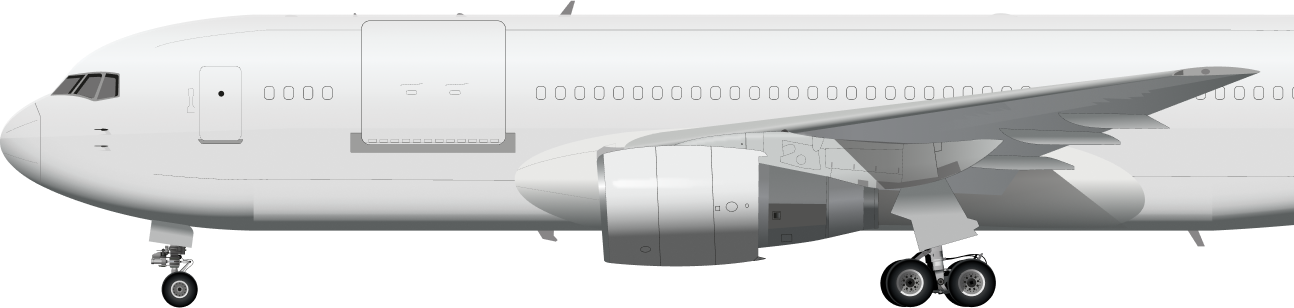
Boeing 767-200F aircraft

AIR CHARTER AIRCRAFT

Reliable, on-demand aircraft charter solutions—customized to move your freight faster, safer, and smarter.

View Charter Options
PILATUS PC 12

PILATUS PC-12

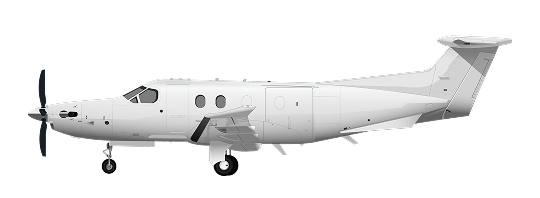
A small, single-engine aircraft with a large aft cargo door, designed for short- to medium-range travel. The PC-12 operates from small airfields and is known for safety and reliability.

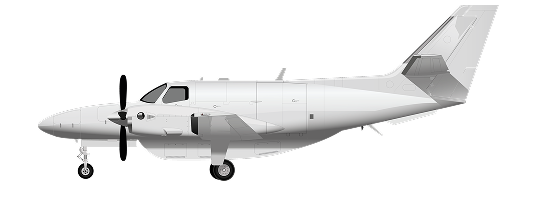
CESSNA 406 CARAVAN II

CESSNA 406 CARAVAN II

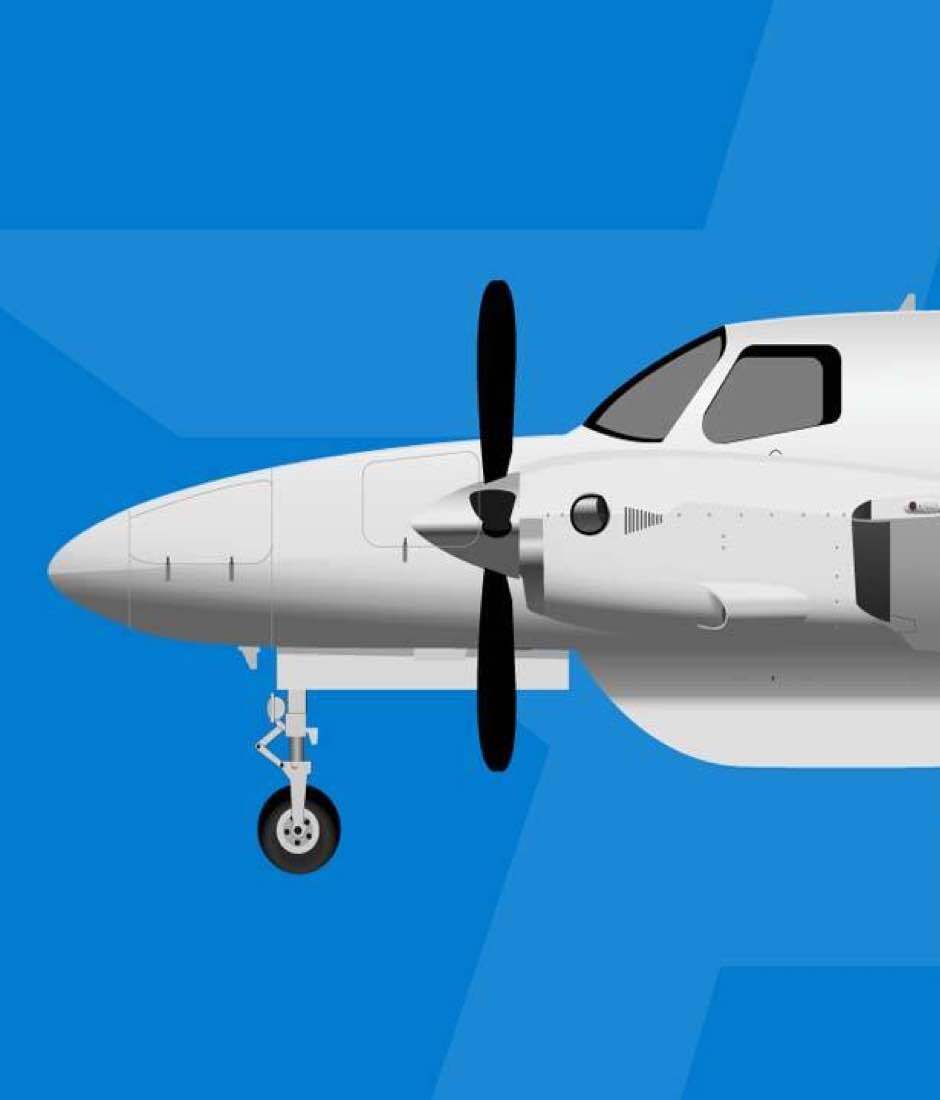
A small, twin-engined turboprop aircraft for short- to medium-range deliveries. Capacity is limited, but its size and versatility allow it to use airports close to where its cargo is produced and needed.

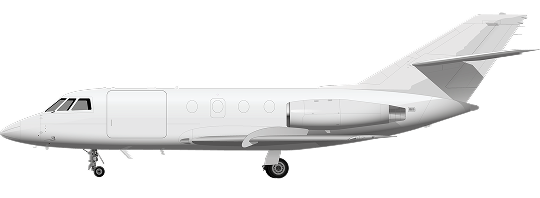
DASSAULT FALCON 20

DASSAULT FALCON 20

The perfect aircraft for delivering vital parts or materials quickly, this famously efficient private jet accommodates five pallets and has a range of nearly 3,000 miles.

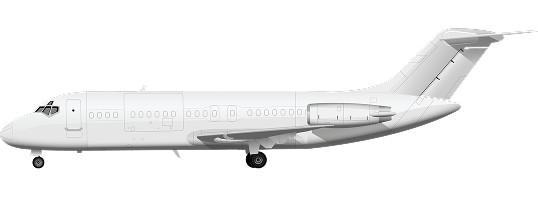
DOUGLAS DC 9 15F

MCDONNELL DOUGLAS DC-9 15F

A smaller, twin-engined jet built for short- to medium-range transportation. Cargo capacity is a little over 10 tons, but the ability to use shorter runways increases the versatility of this aircraft.

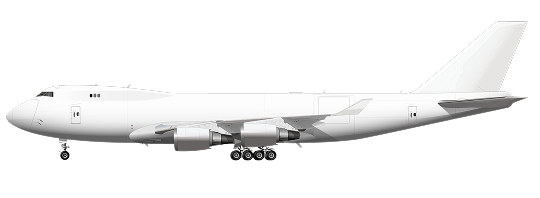
747 400F

BOEING 747-400F

Built for efficient delivery of huge loads to any corner of the globe. The wide-body design, with an opening nose, large side door, and cargo handling system, simplifies loading and unloading.

Expeditor Chris in an aircraft cargo hold

“I had a single point of contact assigned to our shipment that was fantastic on keeping me updated every step of the way.”

Pamela · Trustpilot
HowWe Work

One Person, Start to Finish

When you call AirFreight.com about a cargo jet, a real person answers right away. That same expeditor compares the aircraft, books the flight and owns the shipment until it is signed for at the other end. Nobody passes your charter to an operations desk you have never spoken to. If the plan changes on the ramp, the person who quoted it calls you.

  • One expeditor from quote to signature
  • Updates at pickup, wheels-up, wheels-down and delivery
  • The same person on your next charter
The expediting team at the airport

“I called up at 7:30 pm... one that was secured cancelled at the end of the day. Todd quoted three shipments on the spot... The last shipment was picked up at Midnight.”

Susan · Trustpilot
WhatWe Provide

The Right Mode, Every Time

Every jet charter is different, and the right aircraft is the one that fits the freight and the deadline. We have access to turboprops, light and midsize jets and widebody freighters, plus trucks for the drive to and from the airport. We match the load to the aircraft it needs, so you never pay for a bigger jet than the freight requires.

  • Light jets to widebody freighters
  • Aircraft matched to weight, size and range
  • Trucks arranged at both airports
Expeditor Kevin

“True to word. They did exactly what they said they would do.”

Dan · Trustpilot
WhoWe Are

Honest With You, Always

A freight emergency is stressful enough without wondering whether you have the full story. You see the price before you commit and the timeline as it actually stands, and if something goes wrong, you hear it from us first. If a scheduled flight or a truck will make the deadline for less, we tell you before you book a jet.

  • All-in charter quotes before you commit
  • Real-time updates, including the bad news
  • We say so when a scheduled flight will do

Cargo Jet Charter Questions Answered

What is a cargo jet charter?

A cargo jet charter is the hire of an entire jet aircraft to carry one shipper's freight. Instead of buying space on a scheduled flight, the shipper books the whole aircraft, which departs when the cargo is ready and flies directly between the airports nearest the pickup and delivery points. A licensed operator flies the aircraft, and a broker often arranges the aircraft, the trucking at each end and the paperwork. Cargo jets range from light jets carrying a few pallets to wide-body freighters that carry well over 200,000 pounds. Charters are used for urgent parts, oversized equipment and freight that cannot wait for a scheduled departure.

How does a cargo charter differ from a private jet charter?

A private jet charter is built around passengers. The aircraft has a cabin with seats, a galley and baggage space, and the operator plans the flight around people and their luggage. A cargo charter uses aircraft configured for freight, with cargo doors, open holds, tie-down points and floors rated for heavy pieces. Some small jets fly in cargo configuration with the seats removed, which is how a light jet carries several pallets. The paperwork differs as well, because freight moves under an air waybill and dangerous goods rules apply. A passenger charter is not a substitute for a freight charter when the load is heavy, bulky or regulated.

What is a positioning leg in air charter?

A positioning leg is a flight an aircraft makes without paying cargo, either to reach the airport where the charter begins or to return to its base afterward. If the nearest suitable jet sits far from your pickup airport, it has to fly there empty before loading your freight. Operators usually build those positioning hours into the charter price, which is why the location of available aircraft matters as much as the length of the trip itself. A one-way charter may carry positioning cost at both ends. Choosing an aircraft based close to the departure airport is one of the most direct ways to keep a charter quote in line.

What is an empty leg flight?

An empty leg is a positioning flight that an operator offers at a reduced price rather than flying with nothing on board. It happens when an aircraft has to reposition after a charter, for example returning to base after a one-way trip. If your freight happens to need the same route at the same time, an empty leg can lower the cost of a charter. The catch is timing. Empty legs follow the operator's schedule, not yours, and they can change or disappear if the original charter moves. They suit flexible shipments well, but they rarely line up with urgent freight that has a fixed deadline.

What is the difference between an ad hoc charter and an ACMI wet lease?

An ad hoc charter is a one-time booking of an aircraft for a specific shipment or a short series of flights. The operator supplies the aircraft, crew and operation, and the shipper or broker pays for that trip. An ACMI wet lease is a longer arrangement in which an operator provides the aircraft, crew, maintenance and insurance, usually to an airline or large logistics company that adds the capacity to its own network for weeks, months or longer. The lessee typically covers fuel, airport fees and other operating costs. Shippers with urgent or one-off freight use ad hoc charters, while ACMI suits companies that need regular dedicated capacity on fixed routes.

What is an FAA Part 135 operator?

FAA Part 135 is the section of the Federal Aviation Regulations that governs commuter and on-demand air operations in the United States. An operator certificated under Part 135 is authorized to fly charter flights for hire, including on-demand cargo flights, within the limits of its operating specifications. The rules cover pilot qualifications and rest, aircraft maintenance, operational control and safety programs. Many smaller cargo aircraft and business jets used for charter fly under Part 135. Larger freighter operations are generally certificated under Part 121, the rules for scheduled and supplemental air carriers. For a shipper, the key point is that the company flying the aircraft must hold the right FAA certificate.

What does AOG mean in air cargo?

AOG stands for aircraft on ground. It means an aircraft cannot fly until a part is replaced or a repair is made, so it stays grounded where it sits. For an airline or operator, every hour on the ground means cancelled flights, stranded crews and passengers or cargo left waiting. AOG parts, such as engine components, landing gear parts and avionics units, are among the most common reasons for an urgent air charter or next flight out shipment. A small part may fly with an onboard courier, while a large part such as an engine may need a dedicated freighter. AOG shipments are treated as the highest priority from pickup to delivery.

Who is responsible for a charter flight, the broker or the operator?

On a charter, the operator is the company that holds the FAA certificate, owns or controls the aircraft and is responsible for operating the flight safely. The operator's crew decides whether a flight can go, how the aircraft is loaded and whether weather or maintenance allows departure. A broker arranges the charter on the shipper's behalf. It finds suitable aircraft, obtains quotes, coordinates the trucking and paperwork, and keeps the shipper informed, but it does not fly the aircraft. A good broker is clear about which operator is flying the shipment. The shipper remains responsible for describing the freight accurately and declaring any dangerous goods.

Does carrier liability cover the full value of a charter shipment?

Usually not. Air carriers limit their liability for loss or damage by law and by contract, and those limits are typically based on the weight of the shipment rather than its value. For international flights, treaties such as the Montreal Convention set the limits. For domestic flights, the operator's contract of carriage and tariff do. A light part worth a great deal, such as an avionics unit or a semiconductor tool, can be worth far more than the carrier would pay for its weight. Shippers moving high-value freight should declare a value where the carrier allows it or buy separate cargo insurance before the flight.

Can dangerous goods fly on a cargo charter?

Many dangerous goods can fly on a cargo charter, and cargo-only aircraft can carry some items that passenger flights cannot. The same core rules apply on every flight. In the United States, dangerous goods by air are regulated by the Department of Transportation and the FAA, and operators also follow the IATA Dangerous Goods Regulations. The shipper must classify the material, pack it in approved packaging, mark and label it, and provide a signed declaration. Some items have quantity limits and some are forbidden. Lithium batteries, flammable liquids, compressed gases and certain chemicals are common examples. Declaring them up front lets the operator confirm the aircraft and crew can carry them.

Get a charter quote

Put urgent freight on an aircraft of its own

Enter your pickup, delivery and dates. An expeditor matches the right aircraft to your freight and sends a cargo jet charter quote with your options.

5.0 from 1,600+ reviews on

Request a Quote

Step 1 of 3Origin and Destination Info

Air Freight has always been a pleasure work with! Kevin is very responses and if something changes he is always on top of it.

Colton · Verified review on Trustpilot
CTA Hero Star Background
TOP