
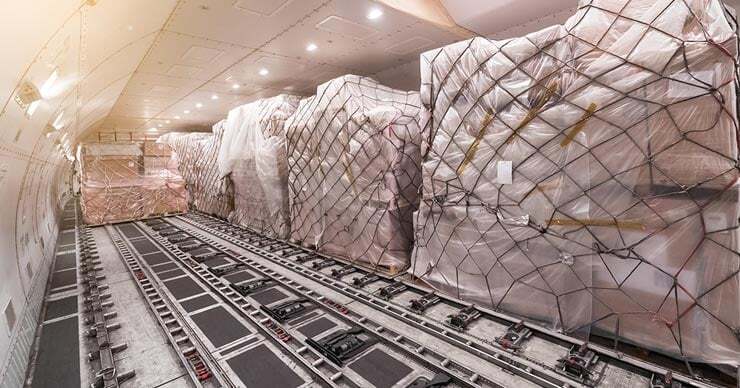
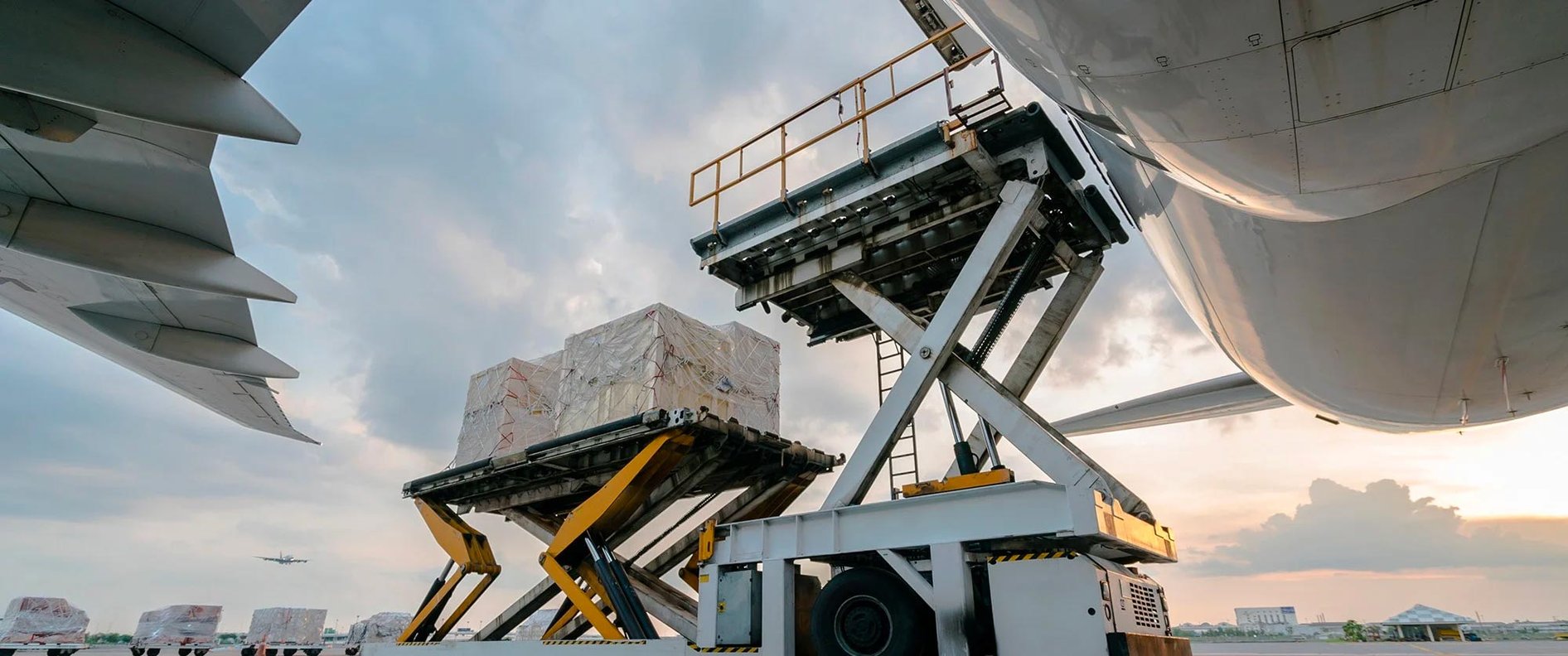
Passenger-to-freighter conversions have reshaped the global air cargo fleet, with hundreds of retired airliners stripped of seats and reborn as freight planes over the past few years. Conversion houses reported record backlogs as airlines and lessors raced to add belly-free capacity, and industry forecasts project well over a thousand narrowbody and widebody conversions across the coming decade. For anyone moving time-critical shipments, that surge of new cargo freighter aircraft directly shapes availability and price.
The reason is straightforward. When passenger travel collapsed and e-commerce demand climbed, carriers found more value in a jet's cargo hold than its cabin. Converting an existing airframe costs a fraction of buying a new production freighter, and it puts lift into the market faster. Understanding why this shift happened, and what it means for air shipping rates, helps supply chain teams plan smarter and secure capacity when schedules tighten.
MORE CONVERTED FREIGHTERS MEAN MORE LIFT FOR URGENT SHIPMENTS
Every converted jet adds usable cargo capacity to a market that runs tight during peak seasons. For shippers, that expanded fleet translates into more routing options, steadier access to lift, and better protection against sudden rate spikes when demand surges. When a production line stalls or a critical part must move overnight, additional freighter capacity gives carriers like AirFreight.com more aircraft to tap. The result is faster response times, fewer missed windows, and pricing that holds up better under pressure. Knowing how this capacity flows into the market helps businesses time bookings and manage freight budgets with more confidence.
What Passenger-to-Freighter Conversion Actually Involves
TALK TO AN EXPEDITOR NOW
Get a Quote in Minutes for Your Time-Critical Freight Needs
How Converted Freighters Reshape Air Cargo Capacity
Airlines are stripping seats from aging widebody and narrowbody jets and rebuilding them as cargo freighter aircraft. This added capacity changes how shippers plan routes, book space, and manage costs. Here are the real situations where converted freight planes directly affect the businesses moving time-sensitive goods.
E-Commerce Peak Season Volume
Online retailers face brutal capacity crunches during holiday surges. When passenger belly space fills up and rates spike, converted freighters absorb the overflow. A retailer shipping electronics from Asia to distribution hubs can secure space on a dedicated cargo plane instead of watching pallets sit at the origin. The steady stream of newly converted freight planes means AirFreight.com can source capacity even when demand outpaces the market, keeping inventory flowing to fulfillment centers before promotional deadlines pass.
Aerospace Parts And AOG Support
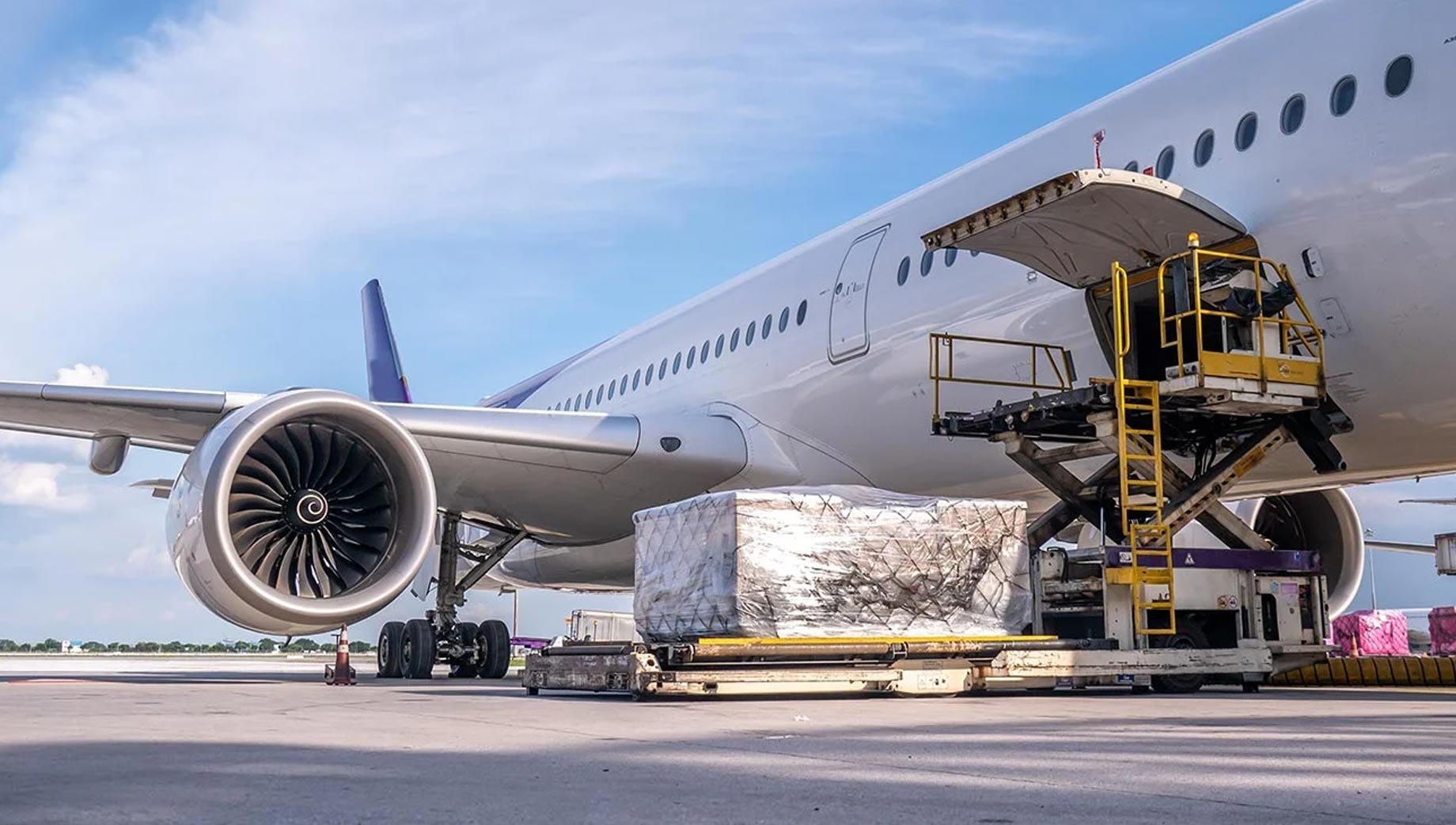
An aircraft on ground costs an airline thousands of dollars per hour it sits idle. When a critical component fails, the replacement often ships as air cargo on the next available flight. Converted freighters expand the pool of aircraft that can carry oversized engine parts and large assemblies that never fit in passenger holds. AirFreight.com moves aerospace components on freighter capacity that accommodates awkward dimensions, getting grounded aircraft back into service and protecting airline schedules from cascading delays.

Automotive Production Line Support
Auto plants run on tight just-in-time schedules where a missing part halts the entire line. When a supplier falls behind or a shipment gets stuck at customs, manufacturers turn to air freight to bridge the gap. Added freighter capacity from P2F conversions gives automotive shippers more departure options and better rates for emergency moves. AirFreight.com routes transmissions, wiring harnesses, and stamped components through converted cargo aircraft, restoring production flow before idle time drains millions from the operation.

Pharmaceutical And Temperature-Sensitive Cargo
Vaccines, biologics, and clinical trial materials demand controlled environments and fast transit. Passenger flights offer limited climate-controlled belly space, but converted freighters can be configured for pharmaceutical loads with active cooling and monitoring. As more freight planes enter service, pharma shippers gain reliable lanes for cold-chain movements. AirFreight.com coordinates temperature-controlled air shipping on freighter aircraft, keeping products within required ranges from tarmac to tarmac and protecting the value of shipments that cannot tolerate delay or spoilage.

Supply Chain Disruption Recovery
Port congestion, weather events, and canal closures can strand ocean freight for weeks. When sea lanes back up, companies convert stuck shipments to air to keep customers supplied. The growing fleet of converted freighters gives the market extra lift precisely when disruptions strike hardest. AirFreight.com secures freighter space during these squeezes, moving backlogged cargo that would otherwise miss commitments. That added capacity turns a supply chain crisis into a manageable delay instead of a lost contract or an empty shelf.
Why Added Freighter Capacity Benefits Your Shipments
- More Available Capacity
- Lower Air Shipping Rates
- Access To More Routes
- Faster Time-Critical Response
- Reduced Downtime Risk
- Scalable Capacity Options
- One Dedicated Point Of Contact
More Available Capacity
Each converted jet adds a full cargo hold to the market. That extra lift means shippers find space during peak periods when passenger belly capacity fills fast. AirFreight.com taps into this expanded pool of freight planes to book your cargo on flights that would have been sold out just a few years ago.

Lower Air Shipping Rates
When supply of freighter space grows, pricing pressure eases. Added capacity from P2F conversions gives shippers negotiating room that did not exist during tight markets. AirFreight.com uses this expanded market to source competitive rates, helping you control air freight costs even when volumes climb across the industry.
Access To More Routes
Converted freighters often serve secondary airports and regional lanes that dedicated cargo carriers once skipped. This opens direct air shipping options between city pairs that previously required multiple transfers. AirFreight.com maps your cargo onto these newer routes, cutting transit time and reducing the handling that adds risk to every shipment.
Faster Time-Critical Response
When a shipment cannot wait, more freighters in the sky means more departure windows. A wider selection of cargo plane options lets AirFreight.com move urgent freight on the next flight out rather than the next available seat. That responsiveness keeps production lines running and grounded aircraft flying.
Reduced Downtime Risk
Idle production lines and grounded equipment cost money by the hour. Expanded freighter capacity shortens the wait for emergency parts and materials. AirFreight.com uses the growing fleet of freight planes to close gaps fast, turning what could be days of costly downtime into a matter of hours from booking to delivery.
Scalable Capacity Options
Shipping needs shift with seasons, product launches, and market swings. A larger freighter fleet gives businesses room to scale air cargo up or down without getting locked out. AirFreight.com adjusts your capacity as demand changes, sourcing space on converted cargo aircraft whether you ship one pallet or fill an entire hold.
One Dedicated Point Of Contact
Navigating expanded freighter options gets complicated without expert help. AirFreight.com assigns a dedicated agent who tracks capacity, secures space, and manages every step of your shipment. You get one contact who knows your cargo and the freight plane market, so you never chase updates or coordinate across multiple carriers alone.

Optional Overline
Put Added Freighter Capacity to Work for Your Freight
The rise of passenger-to-freighter conversions is reshaping how goods move by air. Retired jets that once carried travelers now haul pallets, and every conversion adds room to a market that has long run tight on space.
For businesses, this shift is good news. More cargo freighter aircraft in service means more capacity on the lanes you depend on, steadier rates during peak season, and more options when a shipment absolutely has to arrive on time.
Still, added planes only help if you can secure space quickly and route freight the right way. That is where AirFreight.com comes in. We track capacity across the expanding fleet, arrange charters when scheduled service falls short, and pair air with expedited ground to hit your deadline.
Every mode we book is matched to your shipment, your distance, and your timeline. You get one team managing pickup, flight, and final delivery, with tracking and updates the whole way through.
When a deadline is on the line, guessing is not an option. Our agents are ready around the clock to quote your move and get it launched fast.
Call AirFreight.com today for a freight quote and let our team put the growing freighter fleet to work for your next time-critical shipment.
Request a Quote Now
Add your shipment details below, and one of our professional expeditors will contact you within minutes. For immediate assistance on an urgent quote, call (800) 713-8183 with these details handy.
Why Choose AirFreight.com?
AirFreight.com moves time-critical shipments across the country by matching each load to the fastest available mode. Our team books space on cargo freighter aircraft, arranges dedicated air charter, and dispatches expedited ground when it beats flying. We watch capacity, routing, and rates so your freight arrives when it must.
Access to Global Freighter Capacity
On-Demand Air Charter Aircraft
Fast Quotes and Quick Launch
Real-Time Tracking and Updates
Air and Ground Working Together
Handling for Difficult Freight
Frequently Asked Questions
What is a passenger-to-freighter conversion and why does it matter?
A passenger-to-freighter conversion, or P2F, takes a retired passenger jet and rebuilds it to haul cargo. Crews strip out seats, add a main-deck cargo door, and reinforce the floor. The result is a freight plane that carries pallets instead of people.
This matters because each converted jet adds capacity to the air cargo market. More cargo freighter aircraft in service means more room on key lanes, which can ease pressure on rates during busy periods and give shippers more booking options.
When should a business use air freight over ground shipping?
Air freight makes sense when a deadline is tight and distance is long. Cross-country moves, international shipments, and situations where a delay stops production or breaks a promise to a customer all point toward a cargo plane rather than a truck.
Consider air shipping when the cost of being late outweighs the freight bill. Emergency parts, medical goods, and last-minute inventory often qualify. For shorter regional runs, AirFreight.com may recommend dedicated ground if it arrives sooner.
How fast can AirFreight.com launch a time-critical shipment?
We answer calls at any hour and can quote within minutes. On many charter and expedited jobs, a vehicle or aircraft is moving toward pickup the same day. Launch speed depends on your location, freight size, and available capacity on the lane.
Dedicated equipment cuts transit time because your shipment does not wait on other freight or transfer between terminals. A direct charter flies point to point, and expedited ground rolls straight through, so the clock keeps running in your favor.
What types of freight move on cargo freighter aircraft?
Cargo freighter aircraft carry a wide range of goods, including automotive parts, aerospace components, electronics, machinery, documents, and pharmaceuticals. Converted widebody jets handle heavy pallets on the main deck, while smaller freighters serve regional routes with lighter loads.
Some shipments need special handling, such as temperature control, hazardous material documentation, or secure transport for high-value goods. AirFreight.com matches your cargo to an aircraft and process built for it, so nothing sits waiting for the right equipment.
How is air freight pricing determined?
Air freight pricing reflects weight, dimensions, distance, and the mode you choose. A shared scheduled flight costs less than a full charter. Fuel prices, lane demand, and available freighter capacity also move the number up or down at any given time.
The added capacity from P2F conversions can help hold rates steadier during peak periods. Even so, speed carries a premium. The value comes from avoiding stopped lines, missed launches, and lost customers that a late delivery would cause.
Does AirFreight.com offer door-to-door service?
Yes. We manage the full route from pickup at your origin through delivery at the final address. That includes ground transport to the departure airport, the flight itself, and the final ground leg to the consignee, all coordinated by one team.
Combining modes keeps the shipment moving without gaps. We plan each handoff between truck and aircraft so freight does not stall at a terminal. You get a single point of contact instead of juggling several carriers on your own.
How far can AirFreight.com move a shipment?
Expedited ground covers regional and cross-country moves when driving beats flying on the clock. Dedicated trucks run direct with no stops for other freight, which keeps longer hauls on a predictable schedule from origin to destination.
For greater distances or urgent international needs, air charter extends our range far beyond what a truck can reach in time. A cargo plane connects distant cities and countries in hours, and we build the ground legs on each end to complete the trip.
Can I track my shipment in real time?
Yes. We provide tracking and status updates throughout transit, including departure and arrival times and progress on each ground leg. GPS on expedited vehicles and flight monitoring on charters keep you informed from pickup to delivery.
Our team also watches for delays and communicates changes right away. If weather or a routing issue threatens your window, we adjust in real time and present options quickly so you can keep receiving operations and customers up to date.
How do you handle oversized or special freight?
Oversized loads and specialized cargo call for the right aircraft and equipment. We match your freight to widebody freighters with main-deck loading, flatbed or liftgate ground units, and any rigging needed to move heavy or awkward pieces safely.
Planning starts before pickup. We confirm dimensions, weight, and any regulatory requirements, then handle documentation and compliance for hazardous or controlled goods. This preparation prevents rejections at the terminal and keeps your shipment on schedule from the first mile.
How reliable is expedited air freight service?
Reliability comes from dedicated resources and close coordination. When your freight travels alone on a charter or a dedicated truck, it does not compete with other shipments for space or wait on consolidation, which removes common causes of delay.
Our team monitors every leg and stays in contact with drivers, carriers, and airports. If a problem appears, we address it and reroute before it costs you the deadline. That active oversight is what separates true expedited service from standard freight.