
Skip to content

Ground vs. Air Charter: Cost and Transit Compared

When you’re shipping an urgent load, speed is only part of the equation. The real challenge is understanding the operational limits that determine how quickly your freight can move—and how much it’s going to cost. Air charters and expedited trucking each have strict regulations that govern how long crews can work, and those rules directly influence pricing, scheduling, and transit times.

For example, a single Part 135 pilot can log no more than 8 flight hours within a 24-hour period, while a solo truck driver operating under FMCSA hours-of-service rules is limited to 11 hours of driving within a 14-hour on-duty window. These aren’t flexible guidelines; they’re legal limits that carriers must build into every trip. Whether you’re requesting an aircraft or an expedited truck, those restrictions play a significant role in the quote you receive—even if they’re never mentioned outright.

What many shippers don’t realize is that air and ground transportation are priced very differently. An air charter quote reflects factors such as aircraft type, airport fees, repositioning flights, and crew availability. Expedited trucking, on the other hand, is shaped by driver hours, mileage, equipment availability, fuel costs, and the likelihood that a carrier can secure a return load. Understanding these cost drivers makes it much easier to compare options and avoid paying for speed you may not actually need.

In this guide, we’ll break down how each mode is priced, explain the operational limits that affect transit times, and compare the real-world tradeoffs between air charter services and expedited trucking. By understanding what’s happening behind the scenes, you’ll be able to read quotes with confidence, ask better questions, and choose the transportation option that delivers the best balance of speed, reliability, and cost for your shipment.

One of the biggest mistakes shippers make is assuming the fastest option is automatically the best one. In many cases, an expedited truck can deliver within a few hours of an air charter once airport handling, cargo transfers, and first- and last-mile transportation are factored in. Knowing where each mode excels—and where its limitations begin—can help you make smarter logistics decisions while avoiding unnecessary transportation costs.

KNOW WHAT DRIVES THE QUOTE BEFORE YOU BOOK

When a load is late, the instinct is to book the fastest mode and sort out the invoice later. That reflex costs money. Air charter and ground expedite price around different constraints, and matching the constraint to your shipment is where savings live. A short-haul run under 600 miles often beats a charter once positioning legs and screening dwell are counted. HotShotTrucking.com dispatches direct-drive capacity that removes handoffs, and knowing when ground wins keeps your urgent freight fast and your spend defensible.

Learn More

TALK TO AN EXPEDITOR NOW

Get a Quote in Minutes for Your Time-Critical Freight Needs

Regional Runs Under 600 Miles

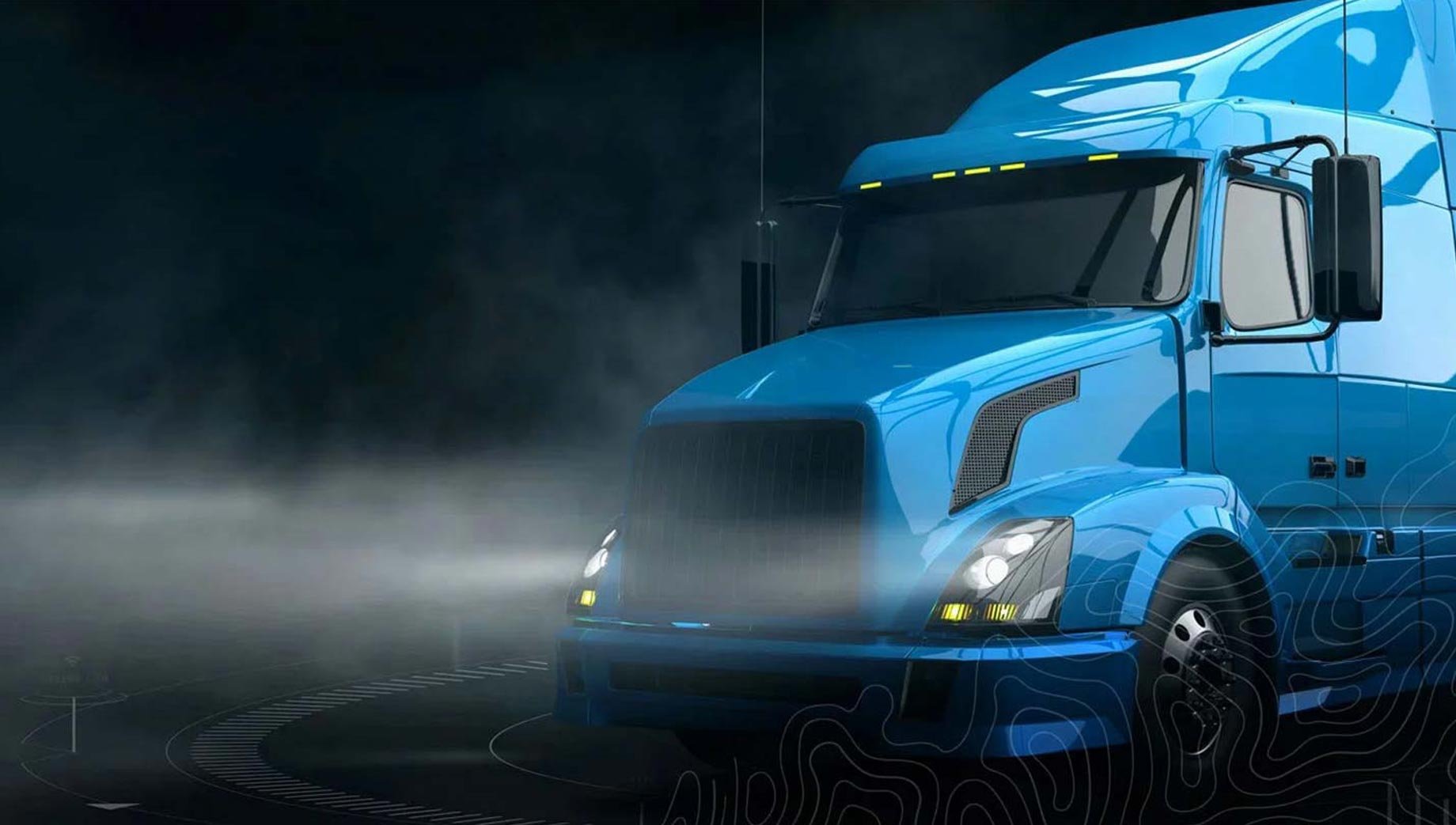
A plant in Ohio needs a fixture in Michigan by first shift tomorrow. Charter looks fast until you add the positioning leg to fly the aircraft in, ground handling on both ends, and screening dwell. A HotShotTrucking.com driver covers 550 miles inside one 11-hour shift with no repositioning cost and door-to-door delivery. For runs a solo driver clears inside the 14-hour window, ground almost always wins on both cost and total transit, because the truck starts and ends exactly where the freight lives.
Regional Runs Under 600 Miles  
 A plant in Ohio needs a fixture in Michigan by first shift tomorrow. Charter looks fast

Long-Haul Charter With Positioning Legs

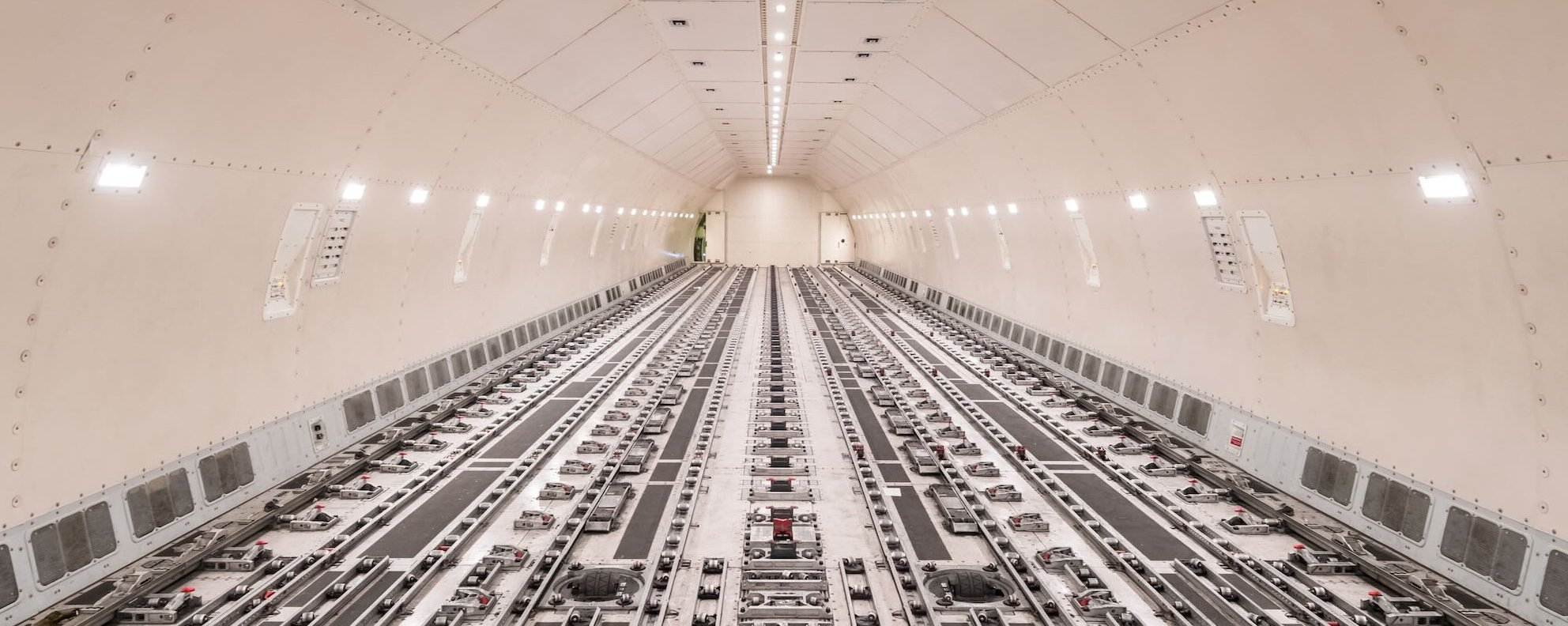
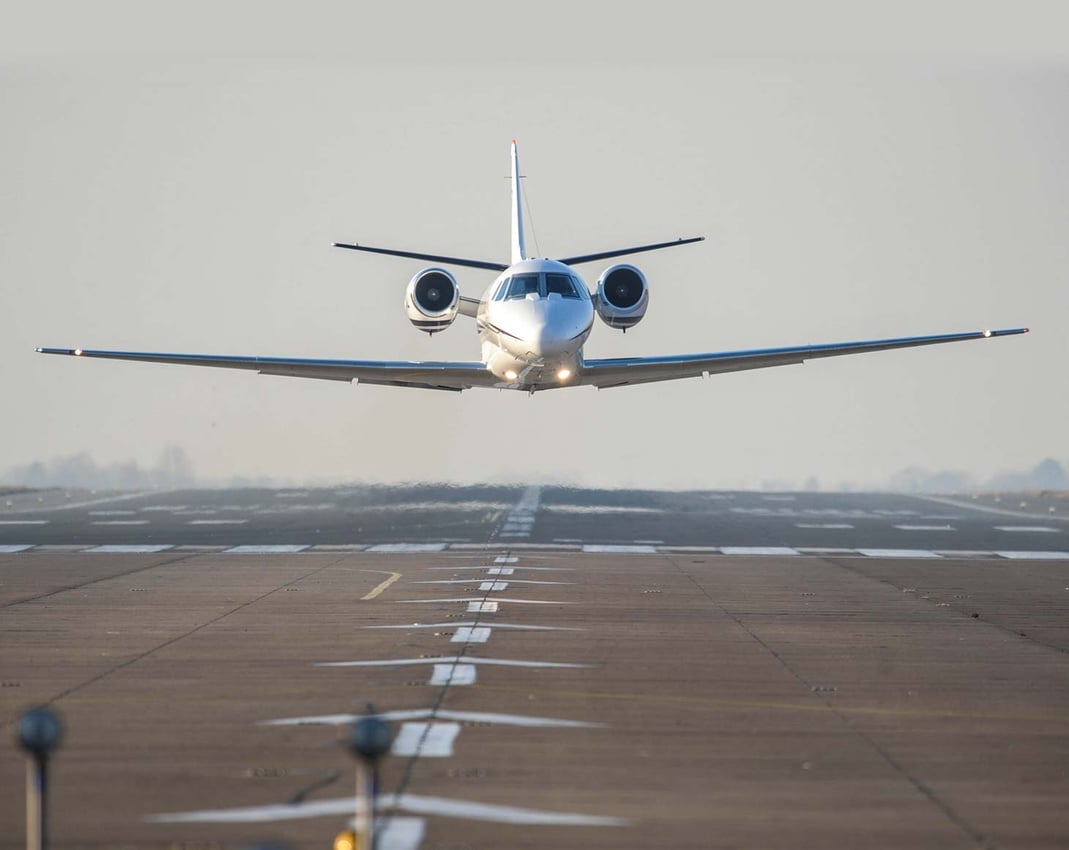
A press-down in Texas needs a component from Seattle by morning. Ground cannot make it inside one driver's hours, so a team or a charter enters the math. A charter quote here itemizes block hours for the loaded leg, the empty positioning leg to reach Seattle, handling fees, and any screening dwell before wheels-up. The block-hour rate covers the aircraft and crew, but the positioning leg is what surprises shippers. Distance past 650 miles on a hard deadline is where air charter earns its premium.
Long-Haul Charter With Positioning Legs 
 A press-down in Texas needs a component from Seattle by morning. Ground cannot

Team Ground As The Middle Option

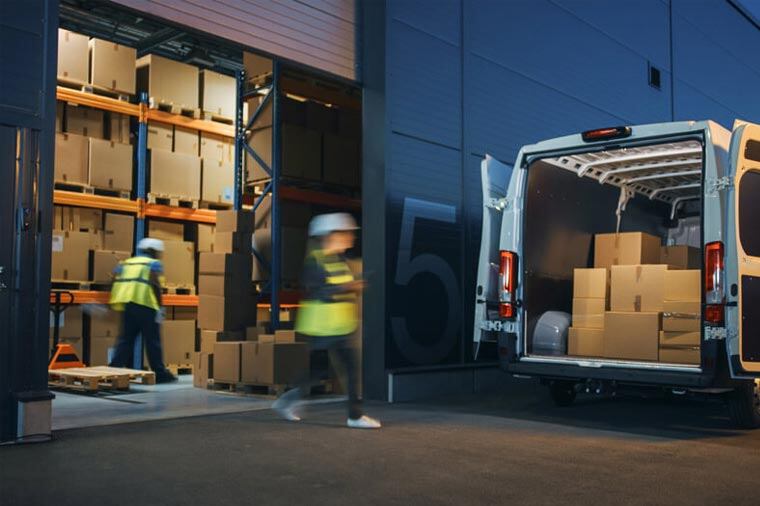
Between the single-driver ceiling and full charter sits team ground. Two drivers alternate so the truck keeps rolling past 11 hours, stretching reach to 1,000 miles or more overnight without any runway, handling, or screening steps. An automotive supplier facing a line-down 900 miles out often skips the charter positioning cost entirely. HotShotTrucking.com dispatches team capacity when a solo driver runs out of hours but the freight still needs to move by morning, keeping the quote flat and the chain of custody unbroken.
Team Ground As The Middle Option  
 Between the single-driver ceiling and full charter sits team ground. Two drivers alt
Expedited Shipping Solutions

Why Understanding Both Ceilings Protects Your Budget

Once you see what drives each quote, you stop overpaying for air when ground clears the deadline and stop wasting hours on ground when only wings make the window. These advantages come from routing around the right limit.
Itemized Quote Transparency

Itemized Quote Transparency

Part 295 disclosure rules give you a real reason to demand a broken-out charter quote. You should see block hours, positioning legs, ground handling, and screening charges as separate lines. HotShotTrucking.com applies the same clarity to ground pricing, so you know exactly what mileage, wait time, and driver hours cost before you commit.

Predictable Transit Inside Driver Hours

Predictable Transit Inside Driver Hours

An 11-hour driving limit inside a 14-hour window makes ground transit easy to plan. There is no runway slot, no crew rest surprise, no weather hold at a field. For anything a solo driver clears in one shift, you get a delivery time you can hand your customer with confidence.

Speed When Distance Demands Wings

Speed When Distance Demands Wings

Past roughly 650 miles on a same-day deadline, air charter beats any single truck. A pilot's 8-hour flight limit still shapes crew and routing, but the loaded leg moves at cruise speed. When the calendar leaves no room for wheels on pavement, charter is the honest answer.

gear

Cost Control By Right-Sizing Mode

The biggest savings come from matching the load to the correct human ceiling. Short regional freight priced as ground avoids positioning and handling fees entirely. HotShotTrucking.com dispatchers weigh distance, deadline, and driver hours on every call, so you never buy air capacity a truck could have covered.

Frequently Asked Questions

Is ground or air charter cheaper for expedited freight?

For shorter regional lanes, expedited ground almost always costs less, because there are no positioning legs, no screening dwell, and no ground handling fees attached to an aircraft. A single driver and truck carry the whole cost.

Air charter wins on price only when distance climbs past what one driver can cover inside an 11 hour driving limit and 14 hour window, where a second driver or overnight rest would erase the truck's speed advantage.

When should I choose air charter over expedited ground?

Choose air charter when the delivery point is far enough that a solo driver cannot reach it legally within one duty period, or when a hard deadline lands hours before a truck could arrive even with team drivers.

Cross country parts down situations, medical shipments, and next morning production restarts often justify the charter cost. AirFreight.com runs the transit math both ways so you never overpay for air on a lane ground could handle.

How fast can each mode launch and deliver?

Expedited ground can roll within an hour of your call once a nearby truck confirms, then drive straight through up to the driver's legal limit of 11 hours behind the wheel inside a 14 hour on duty window.

Air charter needs positioning time to bring an aircraft to your origin plus screening dwell before departure. Once airborne it is fast, but a single pilot under Part 135 is capped at 8 flight hours in any 24 hour period.

What types of freight move by expedited ground or air?

Both modes carry manufacturing parts, machine components, medical supplies, aerospace items, automotive assemblies, and time sensitive documents. Ground handles heavier and bulkier loads without size penalties, while air suits lighter, higher value shipments over long distances.

Special handling covers temperature control, hazmat with proper certification, and fragile or high value cargo. AirFreight.com confirms securement, packaging, and compliance before dispatch so the load moves without a hold at the scale or ramp.

What actually drives a charter quote versus a ground rate?

A charter quote is built from block hours, positioning legs to bring the aircraft to you, ground handling at each airport, and screening dwell. Part 295 disclosure rules require these line items to be itemized, so a legitimate quote shows the breakdown clearly.

A ground rate is capped by simple limits, the driver's 11 hours of driving and 14 hour duty window, plus mileage and equipment type. Fewer moving parts mean a rate that is easier to predict and usually lower on regional runs.

Do you offer true door-to-door service?

Yes. Expedited ground is door to door by nature, since one driver picks up at your dock and delivers to the receiver with no terminals in between. Nothing changes hands during transit.

Air charter still needs ground legs on both ends, so we arrange the truck to the origin airport and from the destination airport as part of one coordinated move. You get a single quote covering every mile.

How far can a ground run reach before air makes sense?

A solo driver can typically cover 500 to 650 miles inside one legal duty period, depending on traffic, loading time, and route. Team drivers extend that reach across the country by swapping so the truck keeps rolling.

Once the deadline demands more distance than teams can cover in time, air charter extends range dramatically, flying past the human ceiling that caps a single driver at 11 driving hours per day.

Can I track my shipment in real time?

Yes. Every ground move includes GPS tracking and direct driver contact, so you see position and progress from pickup through delivery. Charter shipments get flight status plus tracking on both ground legs.

Our dispatch team monitors weather, traffic, and delivery windows the whole way. If conditions change, we adjust the route or timing in real time and call you before a delay affects your deadline.

What about oversized or specialized freight?

We match equipment to the load. Flatbeds, step decks, straight trucks, and enclosed trailers handle a wide range of dimensions and weights on the ground. Air charter accommodates outsized items aircraft can physically accept.

For anything requiring permits, securement planning, or hazmat compliance, we sort it up front. AirFreight.com confirms every requirement before the truck loads or the aircraft is booked, so nothing stalls mid route.

How reliable is expedited service when a deadline is critical?

Reliability comes from dedicated resources. Your freight is the only load on that truck or charter, so there are no other stops, no consolidation, and no reshuffling that pushes your delivery back.

Our dispatchers monitor the run continuously and coordinate every handoff between ground and air. One accountable team stays with your shipment from booking to proof of delivery, so you always know where it stands.

CTA Hero Star Background
TOP